You have likely seen many flags this week. You probably did not think about them. They were on state buildings, at car dealers, or on a neighbor's porch. They just blended in. But each flag has a story. You can find wars, trade, and revolutions. You can find arguments about who we are. These arguments still happen today. A red stripe means more than just a red stripe. A star's spot shows a political view.
This guide shows how flags changed. They went from old battle signs to national symbols today. It explains what national flags colors and shapes mean. It shows what makes a flag well designed. It also shares why some flags cause protests. Others bring people together. These ideas are useful whether you study flags or need to understand the custom process for ordering your own.
From Old Flags to New Nations — How Flags Show Identity
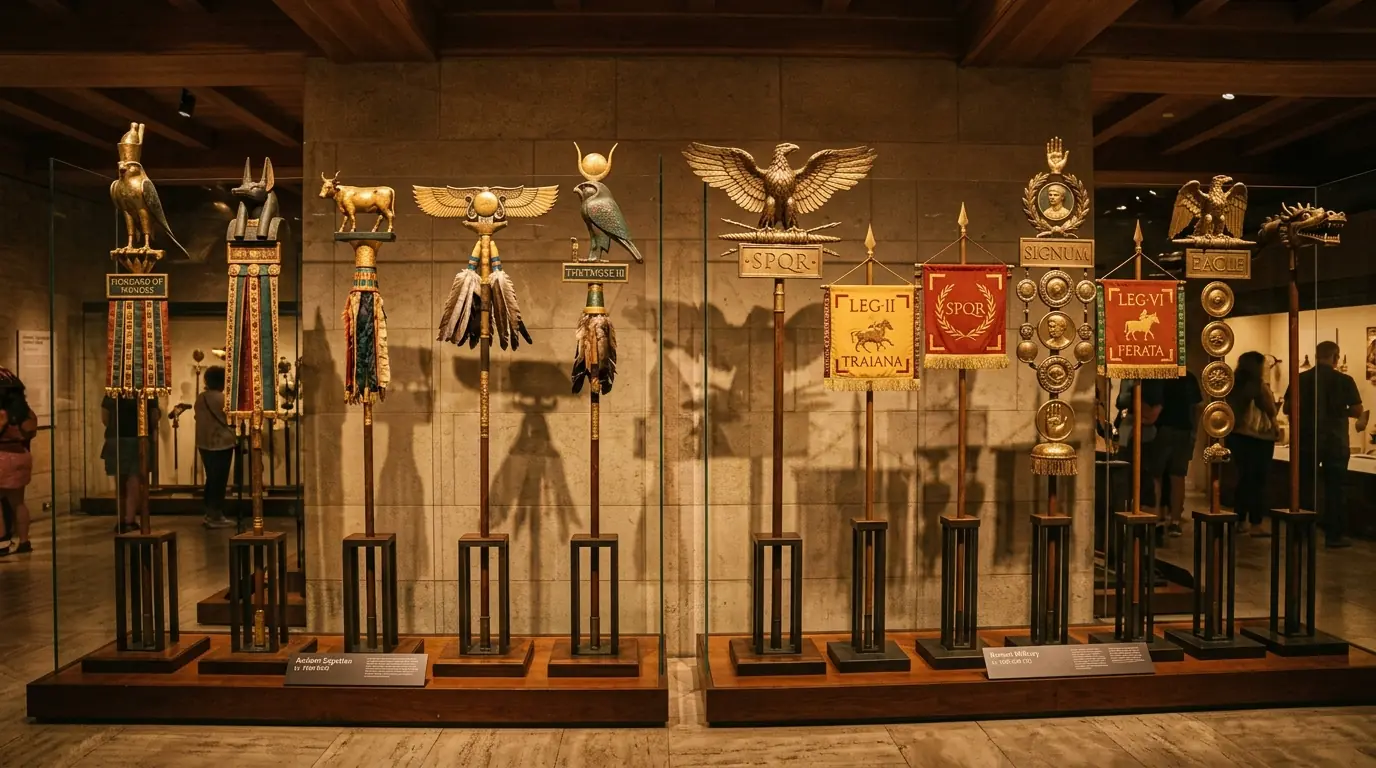
The oldest flag is a bronze standard. People found it in Shahdad, Iran. It is about 5,000 years old. Ancient Egypt had vexilloids. These were flag-like objects on poles. They were from 3100 BCE. They were not fabric flags. They were wood, metal, or leather shapes on staffs. They showed who led a group. They showed where to gather in a fight.
China started using silk. The Zhou Dynasty was from 1046-256 BCE. Silk flags used a five-color system. This system tied colors to direction and season. Silk was light. It moved in the wind. It was strong. It lasted through campaigns. Silk flags went on the Silk Road. They changed how people made flags in Central Asia and the Middle East.
Rome added the vexillum around 100 BCE. This was a cloth banner. It hung from a horizontal bar. The word "vexillology" comes from this Latin word. Vexillology is the study of flags. Whitney Smith made up the term in 1957. A 2,000-year gap happened. Flags were part of everyday life. No one saw a need to study them then.
The Middle Ages added heraldic standards. This happened during the Crusades. The 11th century had many new banner designs. Armies from different kingdoms needed to quickly see who was who. Islamic forces used flag systems since the 7th century. Muhammad carried a black standard. The Crusades made European powers create their own complex flag system.
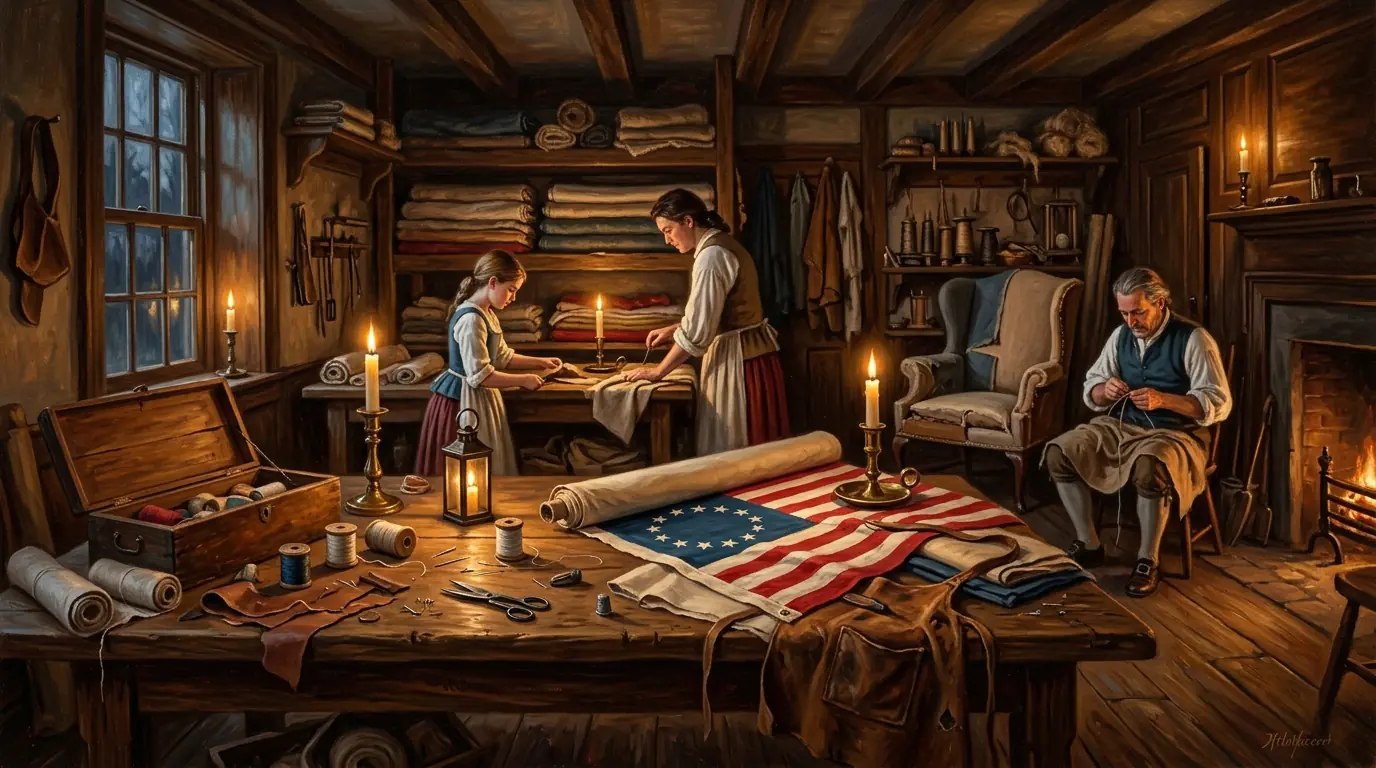
National flags are new. The Union Jack is from 1606. The Stars and Stripes is from 1777. The French Tricolor is from the 1790s. The US flag changed 27 times. Each change shows a new political reality. It shows new states, new land, new identity. Flags stopped being tools for battles. They became statements — showing what a nation believed it was. Today, flag making continues this tradition for organizations and individuals alike.
~3000 BCE
Bronze Standard (Iran)
Oldest known flag artifact, found in Shahdad
1046 BCE
Chinese Silk Flags (Zhou Dynasty)
Five-color system linking colors to direction and season
1606
Union Jack
First modern national flag, Great Britain
1777
Stars and Stripes
Changed 27 times to reflect new political realities
What Every Flag Element Means — Colors, Shapes, and Symbols
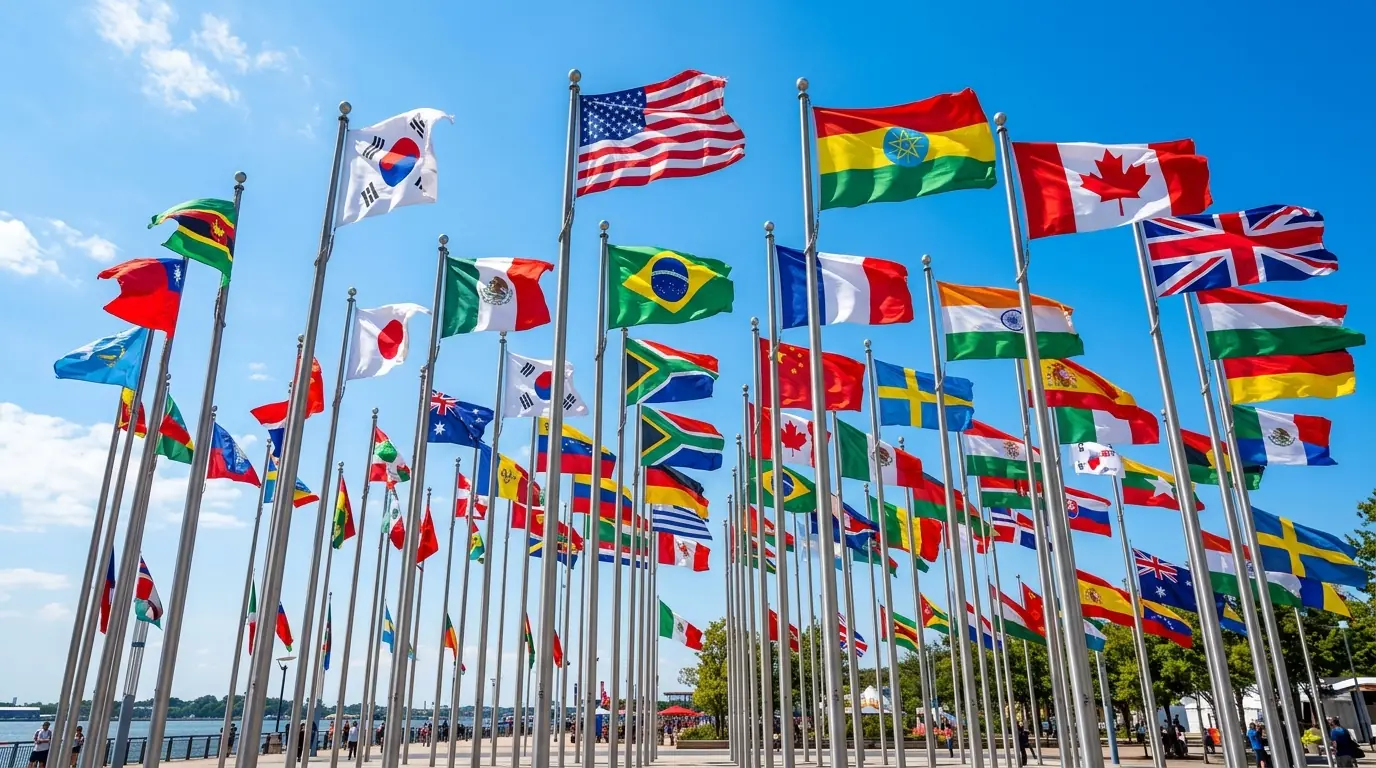
Red is on 74-78% of the world's national flags. This makes red the most common flag color. The reason is simple: red means courage, sacrifice, and blood shed for freedom. China's flag is 97.63% red. Morocco's is 97.62%. The color is common because most nations have a founding story of struggle.
74-78%
Red
71-73%
White
50-53%
Blue
43-46%
Yellow/Gold
White is on 71-73% of flags. It nearly always means peace or purity. Blue is on about 50-53% of flags. This is down from 67% in the early 1900s. This change happened as African and Asian nations became free. They picked colors that showed their own identity, not European ways. Today, sports flags and corporate flags follow the same instinct — picking colors that mean something specific to the group they represent.
Why Is Purple So Rare on Flags?
Purple tells the most interesting story. Only two national flags use purple: Dominica and Spain. People used to get purple dye from sea snails. This made it very costly. Synthetic dyes made purple cheap later on. But by then, most nations had already made their flag designs. Purple is not on flags because of cost, not meaning.
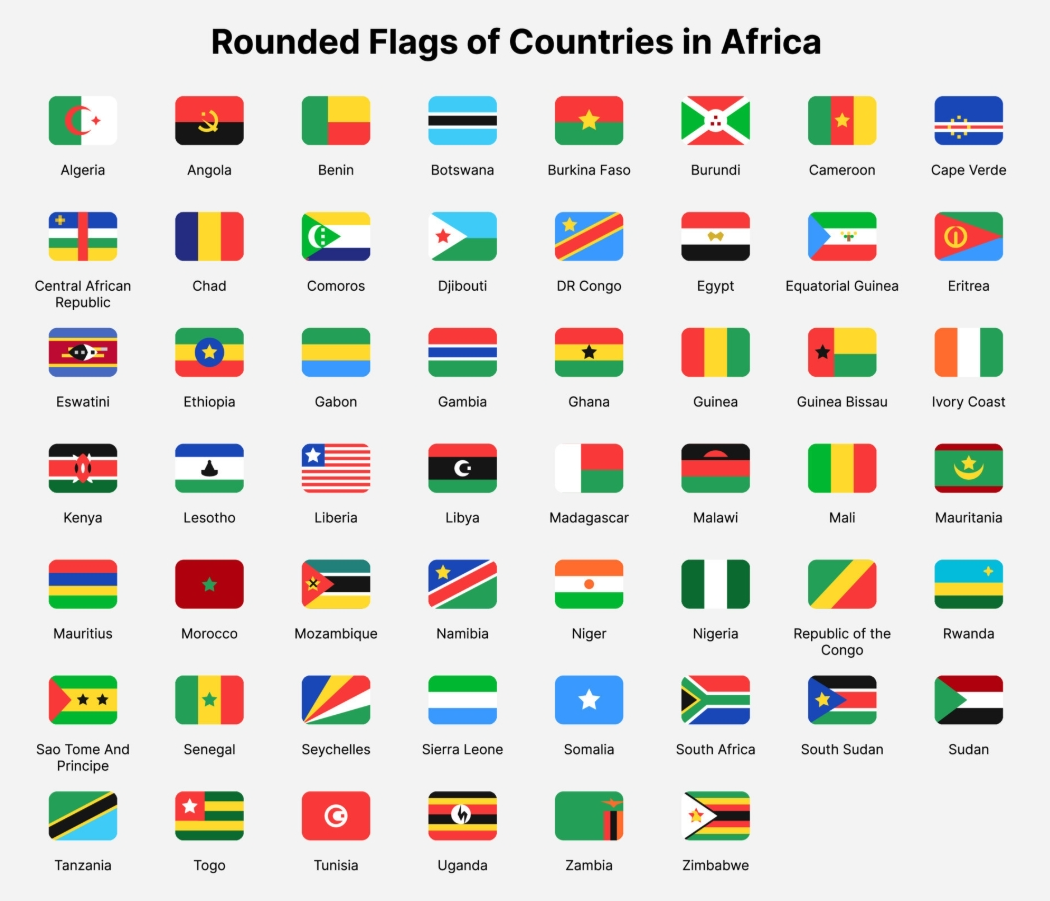
Yellow and gold are more common now. They are on 43-46% of flags. This is up from 26% in 1917. Green is on 42-45% of flags. You see it a lot in Africa and Islamic countries.
Color groups show regional identity. Pan-African flags use red, yellow, and green. These colors come from the Ethiopian flag. Pan-Arab flags use red, white, black, and green. Pan-Slavic flags use red, white, and blue. These color groups show a flag's region before you read about the country.
Common symbols also have meaning. Stars show states or unity. Crescents show Islamic history. Crosses show Christian ways. Eagles show power and rule. The sun is on flags from Japan to Argentina. It usually means a fresh start or new ideas. These symbols are not random. Each one links to something important about the nation's culture.
Five Principles of Good Flag Design — NAVA's Rules for Effective Flags
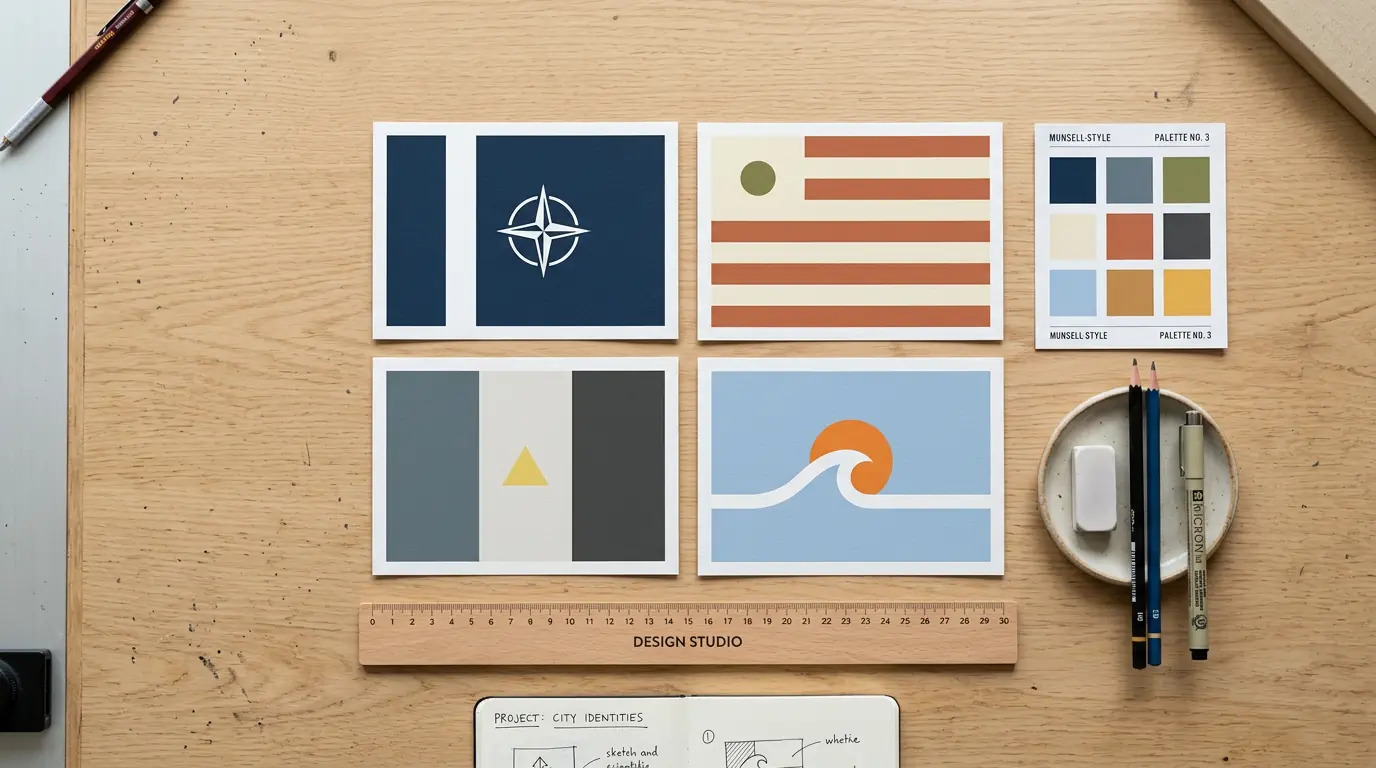
The North American Vexillological Association (NAVA) created five rules for good flag design. They are: keep it simple, use good symbols, use only two or three basic colors, do not use letters or seals, and be different. The test is hard: can a child draw it from memory? If not, the flag design is not good. These same rules matter for outdoor flags at events — visibility and simplicity must survive wind and distance.
NAVA did a survey in 2001. It rated 72 flags from US states and Canadian provinces. New Mexico got 8.61 out of 10. It has a simple red sun on yellow. Texas got 8.13. Quebec got 8.04. Georgia was last with 2.36. Nebraska had 2.98. Montana had 3.00. The flags with state seals on blue backgrounds got low scores. Flags with simple, strong shapes got high scores.
Top Scoring Flags
New Mexico
8.61
Texas
8.13
Quebec
8.04
Lowest Scoring Flags
Georgia
2.36
Nebraska
2.98
Montana
3.00
Georgia changed its flag after it came in last. This is not common. Most states do not care about the criticism. The 2001 survey showed something helpful: you can measure bad flag design. It is not just about what you like. A flag with a small seal that you can only read up close does not work. You need to see a flag from far away, when it moves, and when it is dark.
NAVA did another survey in 2022. This one looked at 312 city flags. Tulsa, Oklahoma, was number one. Cities with flags that looked like letterheads got the lowest scores. These flags had the full city name, a small seal in the middle, and no image that sticks.
The "Bedsheet Test"
The "bedsheet test" shows the main idea. If you would not use it as a bedsheet, it is too complex. Japan's flag passes this test. Canada's flag passes. Your state's flag with a round seal and Latin words probably does not pass. Good flag design is like logo design, not art. Clear designs are always better than pretty ones.
National Flags as Political Statements — Symbolism Gets Contested
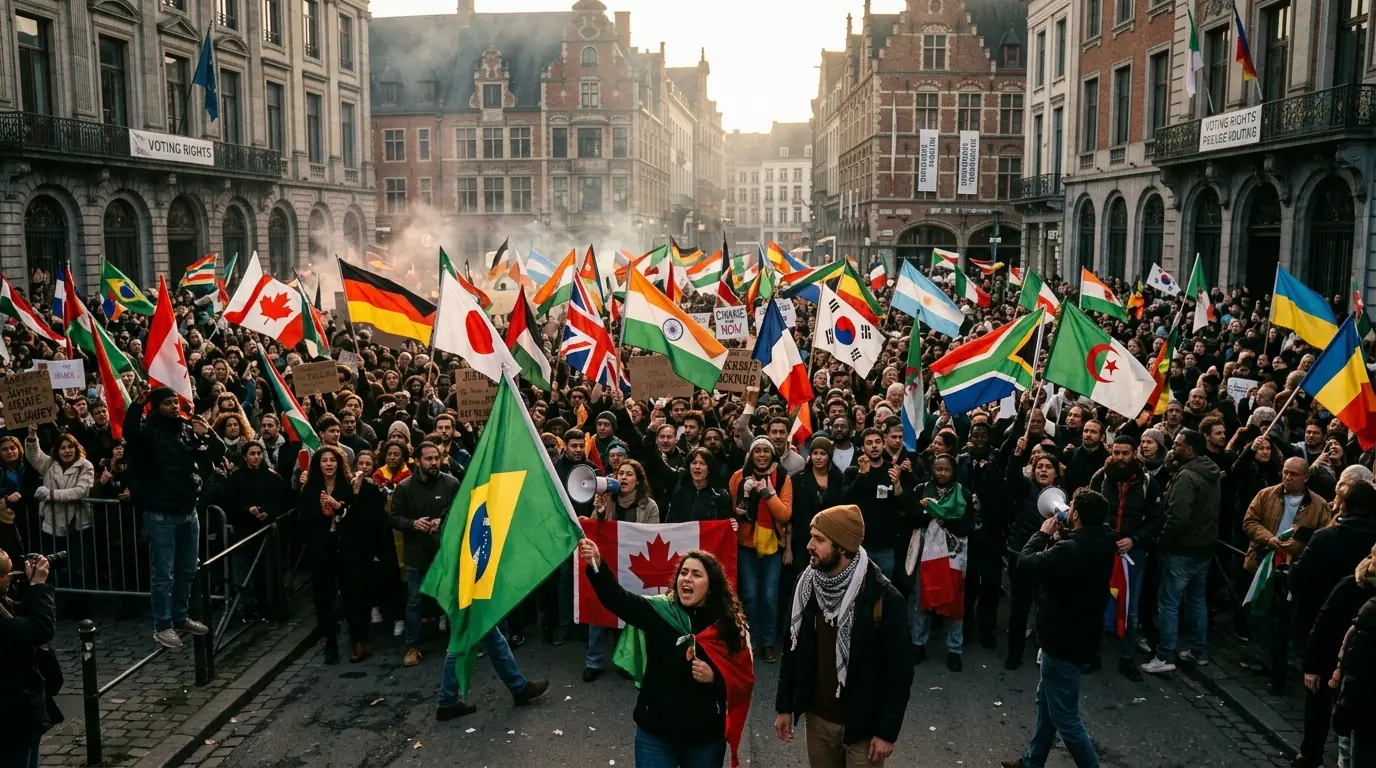
Flags change when governments change. Libya swapped Gaddafi's solid green flag for the pre-1969 tricolor after the 2011 revolution. Myanmar adopted a new flag in 2010 during its constitutional change. Iraq changed its flag in 2008. It removed handwritten script linked to Saddam Hussein. The pattern is clear: new government, new flag. The old symbol becomes bad because of its past.
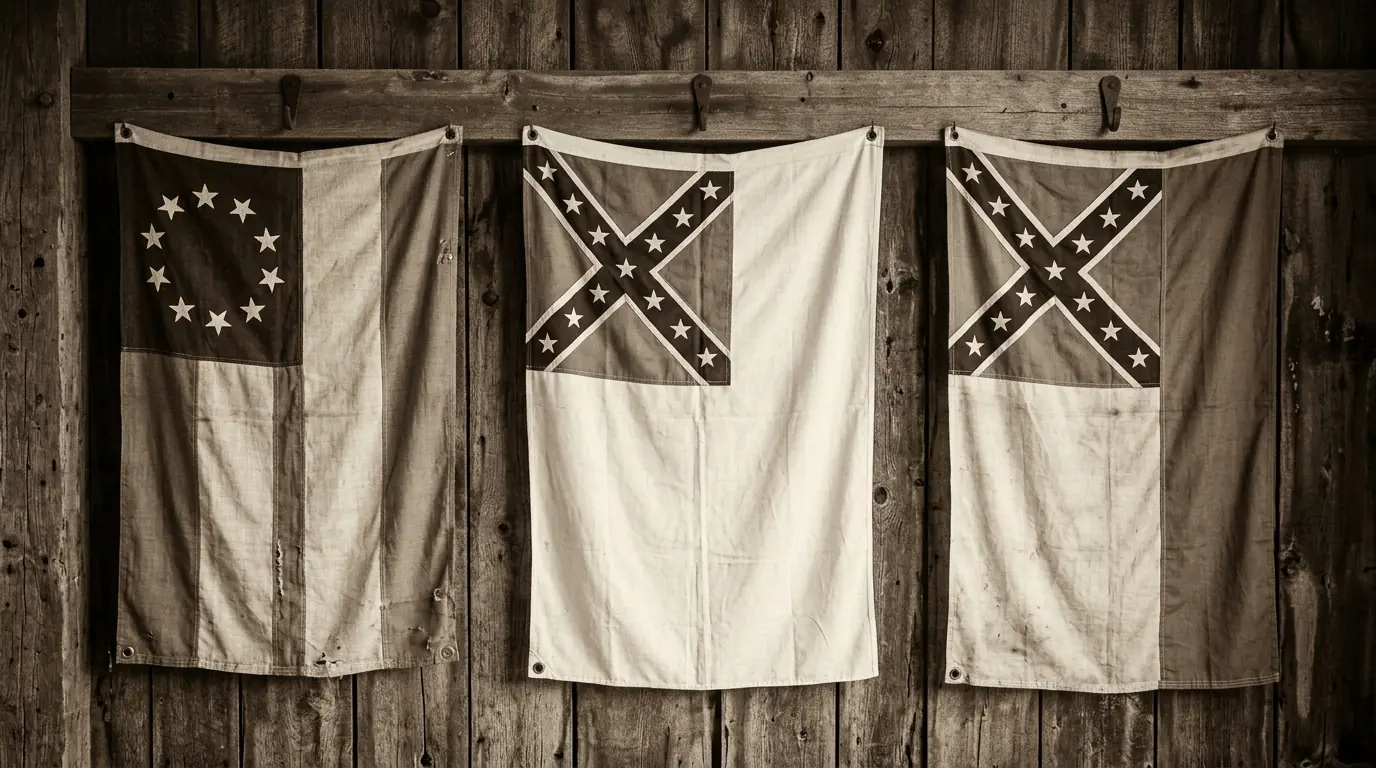
Some old flags stay. The Confederate battle flag is a contested symbol in the United States. Some people display it as heritage. Others see a symbol of slavery and white supremacy. Japan's Rising Sun flag gets similar reactions in East Asia. It reminds people of imperial military aggression. These flags lost wars but kept cultural meaning.
Flag burning connects symbolism and law. The US Supreme Court ruled in Texas v. Johnson (1989). This 5-4 decision said burning the American flag is protected speech under the First Amendment. About 80 countries have a different view. They make flag desecration a crime. Saudi Arabia never lowers its flag to half-staff. It has the Shahada — the Islamic statement of faith. The flag is a sacred text. It is not just a political symbol. Even how a flagpole is used carries ceremonial weight in different cultures.
Flags show sovereignty claims for people without states. The Kurdish flag, the Tibetan flag, and the Palestinian flag all show nationhood. Flying them is a political act. It is sometimes dangerous. In Turkey, displaying the Kurdish flag has led to charges. China bans the Tibetan flag. Raising a flag is a form of resistance when the state says you cannot have one.
Flag symbolism is not just an idea. A piece of fabric becomes the line between legal expression and crime. It is the line between national pride and historical pain. The same flag that makes one person feel safe makes another feel scared. No design rule fixes this problem.
Need Custom Flags for Your Event? Whether it is military ceremonies, sports events, or corporate branding — contact our team for bulk pricing on 50+ pieces.
Military, Maritime, and Ceremonial Flags — More Than Just the National Banner
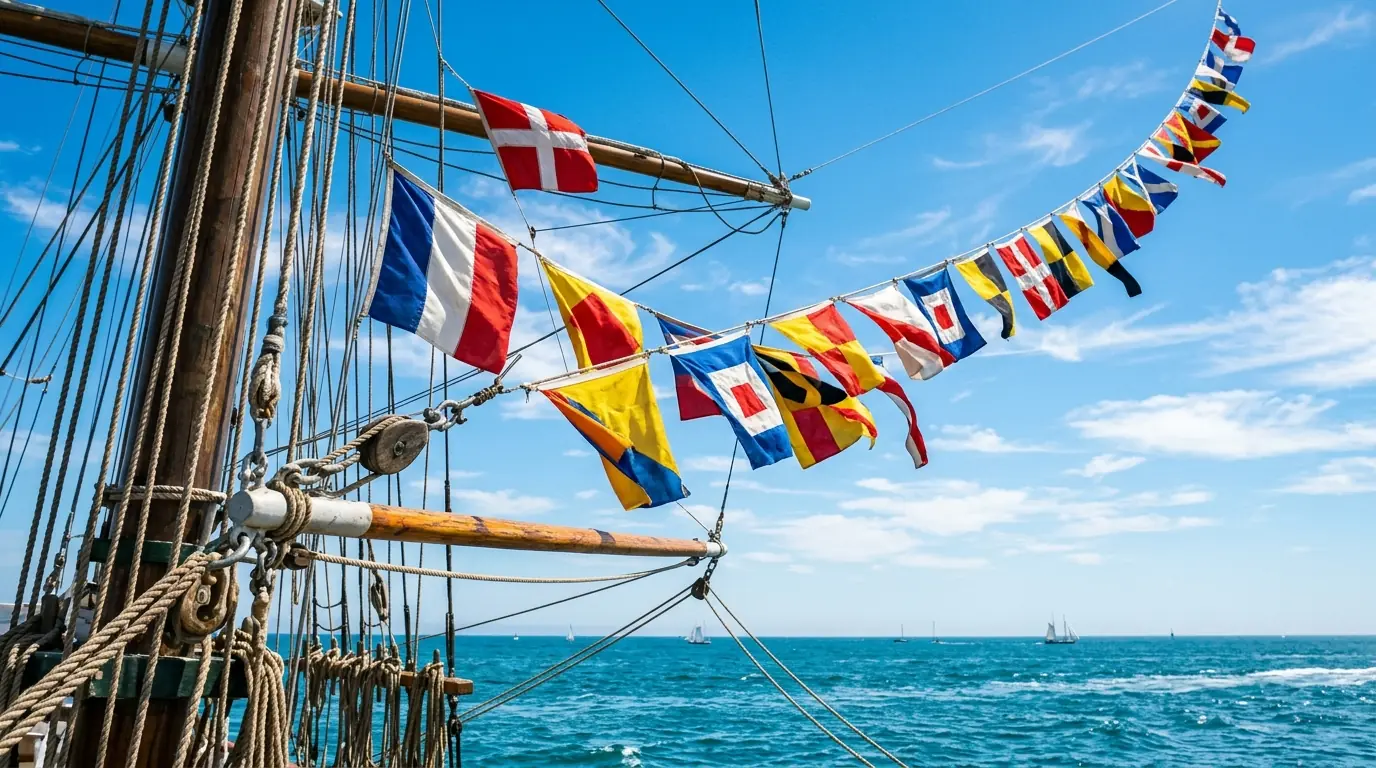
National flags are most well-known. The International Code of Signals (ICS) controls worldwide shipping. This system uses 26 letter flags and 10 number flags. Each flag has a special meaning when flown alone or with other flags. A single yellow flag means "I need health clearance." The system came from 17th-century naval signals. By the mid-1700s, the Royal Navy could send 45 different messages. They used only 11 flags.
Military flags have great importance. British Army regimental flags started in the 17th century. They show battle honors right on the material. Losing your flag in battle was a shame. Taking the enemy's flag was a big win. These are not just decorations. They are unit histories you can touch. The flag grommets on a military standard must meet strict specifications — even the hardware carries regulatory weight.
Some flags go beyond country borders completely. The Red Cross flag signals medical neutrality in war zones. It was suggested at the 1863 Geneva Convention. The Olympic flag shows international sports competition without country rankings. It was designed in 1914. It first flew in 1920. The white flag of surrender is likely the oldest worldwide signal. Its meaning is the same across cultures and time.
Flag rules change more than most people think. The US Flag Code says the flag flies at half-staff for 30 days after a president dies. Japan uses a black ribbon on the flag instead of lowering it. Saudi Arabia never lowers its flag. These differences show real cultural values. They are not random rules. How a country handles its flag during mourning shows what the flag means to that country.
How Custom Flags Continue the Tradition — From Kingdoms to Brands
The US flag making market grew about 0.6% each year from 2019 to 2024. This growth was steady. It was not exciting. The custom products market shows a different trend. This market will reach $57 billion in 2026. It will likely hit $122 billion by 2034. Americans spend about 30% of the world's money on custom products. Custom flags are part of this big growth. Knowing the custom flag cost is the first practical step for any organization ready to join this tradition.
$57B
Market 2026
$122B
Projected 2034
30%
US Global Share
Access changed. Digital design tools like Canva and Adobe Illustrator made flag creation easy for anyone. You do not need special training. You do not need a factory connection. A sports team can make a custom flag. A family reunion can make one. A small business can make one. All these flags can follow real flag design rules. The right flag materials — polyester or nylon — determine how long that design survives outdoors.
This is the main point. The same NAVA rules make good national flags. These rules also work for custom designs. Simple shapes are better than complex art. Two or three colors are better than five or six. A symbol that people see from far away is important. This is more important than a symbol that looks good up close. People fly flags often. These flags are at games, stores, and marches. They follow these rules. The designer may or may not know the rules.
Heritage flags grew a lot. Families order flags. These flags mix symbols from their past. They show stories of immigration. They use things that show where they come from. This is the same reason people made coats of arms long ago. The way we make flags now is new. The reason for making them is old. You want a quick picture of who your group is. Working with a flag manufacturer who understands this history helps you make something that lasts.
Your Next Step With Flags
Take three things from this guide. First, flag design has clear rules. Simplicity, good symbolism, and being unique make flags memorable. Second, every color and symbol on a flag means something from history. This is true even if the designer did not plan it. Third, flags can start or end a fight. They are one of the few visual items that do this.
You are designing a custom flag. This could be for a business, a team, or a family. Start with the NAVA rules. Pick two or three colors. They should have meanings you can explain. Choose one symbol. It needs to be clear from far away. Do not add text. Do not add a detailed seal. Make something a child can draw from memory. This makes a flag last. If you need help with displaying a flag outdoors, there are clear guidelines for that too.
This tradition is 5,000 years old. Your flag becomes part of it.
Video Guide
Related Articles