You might be a flag maker working on a government contract. Or an event planner creating a patriotic ceremony. Maybe you just need a custom flag for your business. Getting the proportions wrong can turn a professional display into an embarrassing mistake.
Most countries have strict official rules for their national flags. The United States uses a precise 1:1.9 ratio. Other nations follow unique dimensions set by international protocols. But these standards are spread across government documents, flag history archives, and manufacturing guidelines.
Knowing these official flag size standards matters for more than looks. It's about following the rules. It shows respect for national symbols. Plus, it helps you avoid expensive mistakes when buying or making flags for official use.
This guide makes things clear. We've gathered the required flag dimensions from major countries. We break down technical specs into practical sizing choices. You'll see how professional manufacturers of national flags make sure every custom flag meets both regulatory standards and your display needs.
United States Official Flag Dimensions and Proportions
The American flag follows strict math. It's as precise as any engineering blueprint. Executive Order 10834 and Title 4 of the U.S. Code set the official proportions. These rules govern every star, stripe, and measurement. These aren't suggestions. They're federal standards. They define what makes a flag truly American.
The 1:1.9 ratio forms the foundation. For every unit of height (called the "hoist"), the flag extends 1.9 units in length (the "fly"). Think of it as a 10:19 proportion if you prefer whole numbers. This specific ratio separates official flags from decorative knockoffs.
The blue canton—that star-filled rectangle in the upper left—occupies 7/13 of the hoist height. It covers 2/5 of the fly length. Each of the 13 stripes measures 1/13 of the total hoist. The stars follow calculated spacing: 0.0616 units in diameter. They're arranged in nine offset rows. Each row uses exact horizontal and vertical spacing formulas.
1:1.9
Official Ratio (Hoist:Fly)
13
Stripes (Equal Width)
50
Stars in Blue Canton
7/13
Canton Height Ratio
Government-Specification Flag Sizes
Federal agencies use G-Spec flags . These flags meet strict National Stock Number (NSN) standards. You won't find rounded consumer sizes here. These are precise measurements down to fractions of an inch.
The 2'4-7/16" × 4'6" flag (NSN 8345-00-753-3230 for nylon) fits 15-20 foot poles. Government buildings with 20-25 foot poles display the 3'6" × 6'7-3/4" version (NSN 8345-00-753-3234). Military ceremonies use the 5' × 9'6" casket flag (NSN 8345-00-753-3235). The massive 8'11-3/8" × 17' post flag (NSN 8345-00-753-3231) goes on 50-60 foot installations.
Notice the fractional precision? That's on purpose. These measurements maintain the 1:1.9 ratio without rounding errors.
Standard Commercial Sizes
Outside government procurement, manufacturers produce custom flags in close proportions . They balance official standards with practical manufacturing. Consumer expectations matter too.
The 3' × 5' flag dominates home use. Pair it with 15-20 foot poles. Businesses and schools often choose 4' × 6' or 5' × 8' flags for 25-30 foot poles. Large commercial sites need 6' × 10' flags on 40-foot poles. Corporate campuses and stadiums use 10' × 15' or 10' × 19' versions. These go on 60-80 foot poles.
The 20' × 38' garrison flag represents the upper limit. It goes on 90-100 foot poles at military bases and national monuments. These massive flags weigh over 50 pounds. They require professional installation.
Matching flag size to pole height is simple : the flag length should measure about 1/4 to 1/3 of the pole height. A 30-foot pole needs a 6' × 10' or 8' × 12' flag. This proportion ensures proper visual balance. It prevents the flag from wrapping around the pole in wind.
Ordering custom American flags from manufacturers like RunCustomFlag? Specify whether you need G-Spec compliance for government use or standard commercial proportions for private display. The difference matters for regulatory compliance. Visual authenticity depends on it too.
Standard Flag Sizes by Usage Scenario (US Focus)
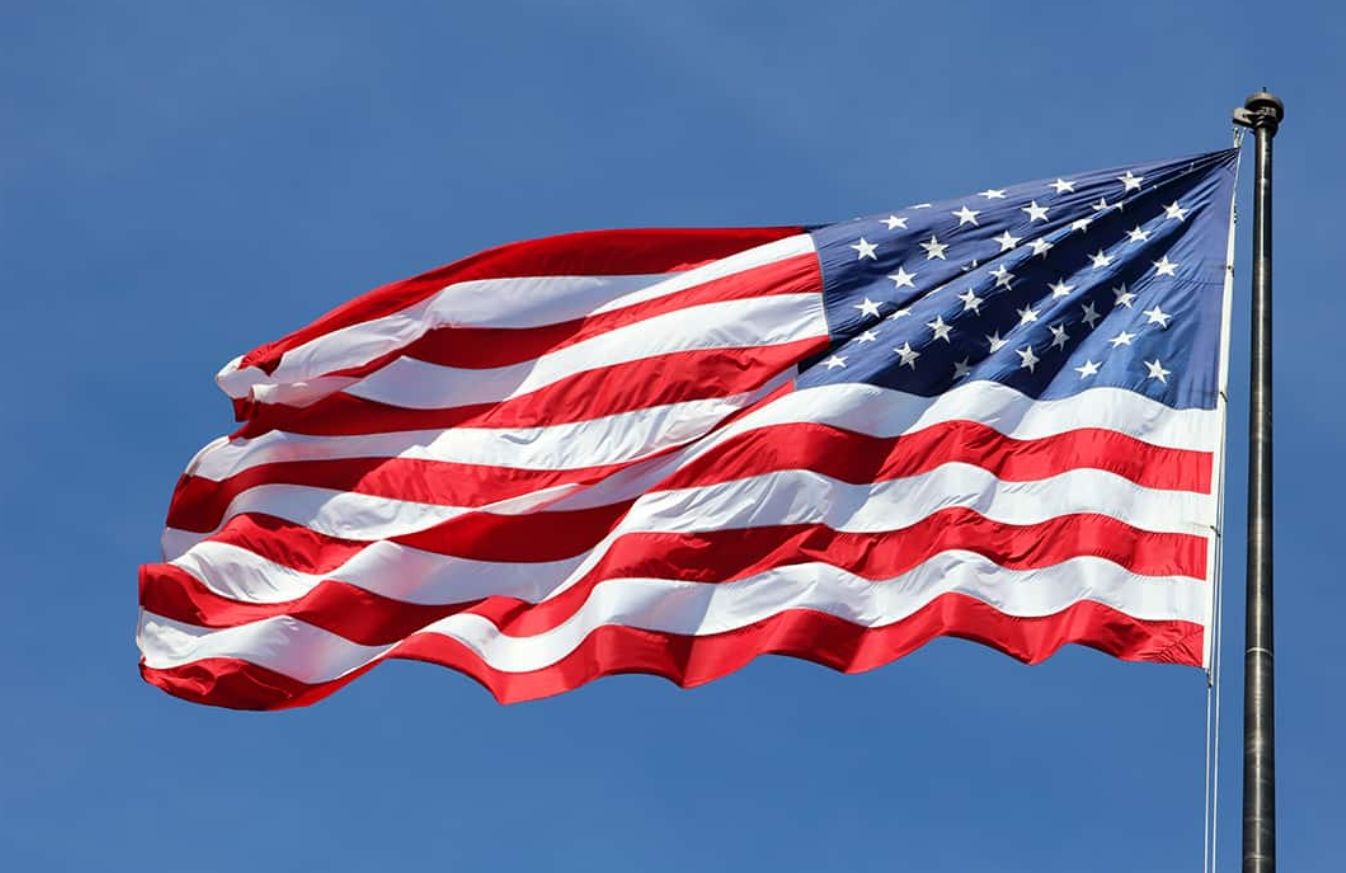
Your flag choice depends on where you'll display it. A front porch needs different sizing than a corporate building. Veteran funeral services follow strict size rules that honor tradition. Know these scenarios to avoid poor displays and wasted money.
Residential Display Standards
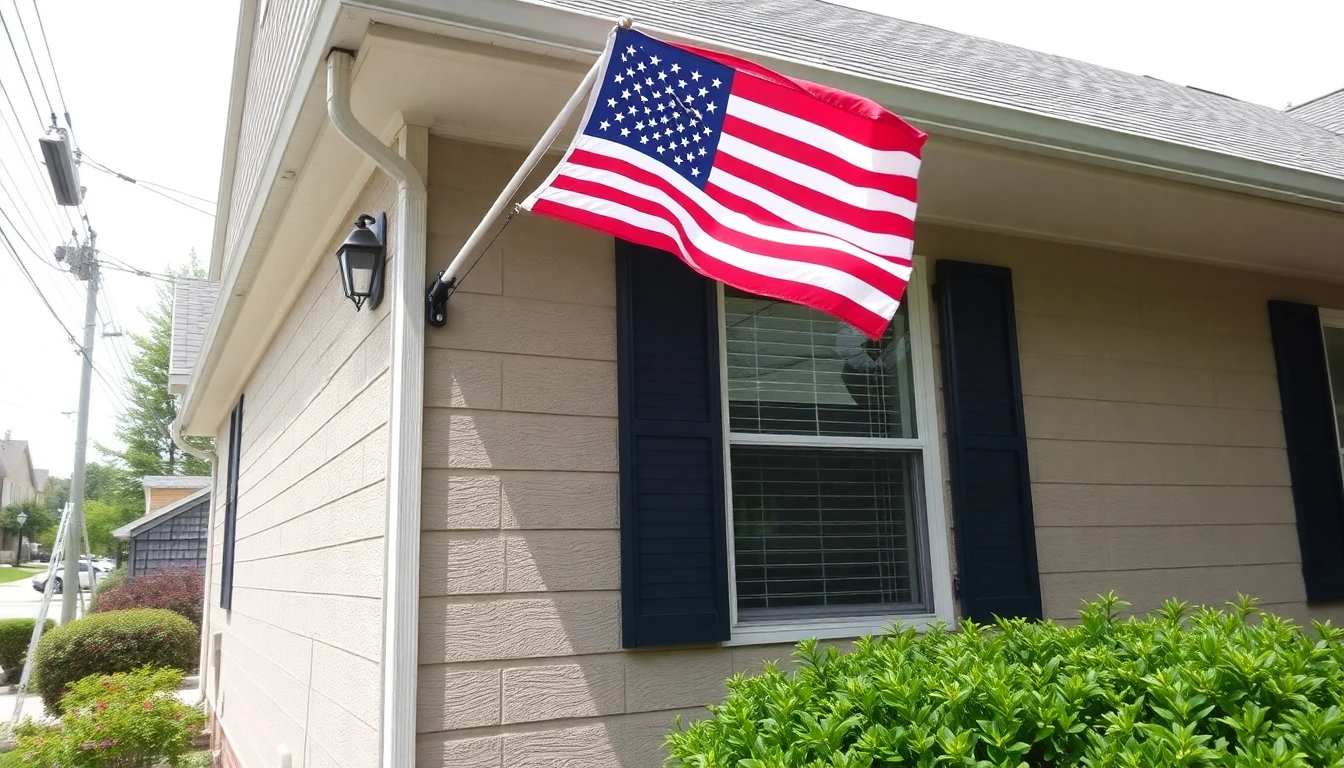
The 3' × 5' flag is the go-to size for homes. This size fits standard 15-20 foot residential poles. People can see it from the street. It won't overpower your house. Smaller yards do better with 2' × 3' flags on porch brackets or garden poles under 12 feet. Split-level homes sometimes go with 2.5' × 4' flags as a compromise. Big enough to see, small enough for tight spaces.
Walk through any American suburb on Flag Day. You'll see this 3' × 5' standard at house after house. Manufacturers keep lots in stock. Hardware stores put them front and center. That's made it the default choice.
Commercial and Institutional Sizing
Businesses need bigger flags. Small offices and elementary schools go with 4' × 6' flags on 25-foot poles near building doors. Medium buildings—three to five stories—step up to 5' × 8' flags on 30-foot poles for better balance.
Large corporate campuses, hospitals, and government buildings need more impact. They pick 6' × 10' flags for 35-40 foot poles. Or 8' × 12' flags on 45-50 foot poles. Universities and industrial sites with 60-foot poles often use 10' × 15' or 10' × 19' flags to look right across big open areas.
The massive installations—20' × 38' or even 30' × 60' flags—fly on 90-100 foot poles at military bases, national monuments, and NFL stadiums. These garrison-class flags weigh over 100 pounds when wet. You need motorized rigging systems. Plus professional crews to maintain them.
Ceremonial and Specialized Applications
Military funerals use one size: the 5' × 9.5' casket flag. No exceptions. The size allows proper folding into the triangle presentation shape. The stars stay visible when draped over standard caskets.
Nautical flags follow maritime tradition. The ensign flag measures 2'5" × 4'6" . The ratio differs from standard commercial sizes. This helps them handle marine conditions and stay visible at sea distances.
Order from custom flag makers like RunCustomFlag? Tell them your exact setup. "Commercial building entrance" helps more than "a big flag." Give them pole height, building stories, and viewing distance. Professional makers match flag size to your display spot. You get both rule compliance and strong visual impact.
International Flag Size Standards Comparison

Flag sizes vary by country. No single standard exists. Some countries use metric. Others use imperial units. A few mix both systems. This confuses manufacturers.
Australia uses a simple yard-to-meter ratio. The rule: one yard of flag (measured flat) per three meters of pole height. A 6-meter pole needs a 2-yard flag at 1830mm × 915mm. The system scales well. A 1.5-yard flag (1370mm × 685mm) fits 4.5-meter poles. 15-meter poles need 5-yard flags (4560mm × 2280mm). The largest option? 8-yard flags at 7320mm × 3660mm for 24-meter poles.
Australia Sizing Rule
1 yard of flag per 3 meters of pole height → 6m pole = 2-yard flag (1830mm × 915mm)
Australian national flag suppliers quote prices in yards. But they use metric for measurements. This dual approach shows the country's shift from imperial to metric. Ordering from RunCustomFlag for Australian display? Specify both measurements to avoid mix-ups.
Italy's military is precise. Their SMD-G-106 directive breaks flags into eight official "Measures." Measure 1°—the largest—spans 5.50 meters wide by 8.25 meters long. Each size gets smaller from there. Measure 4° is 1.50m × 2.25m. The smallest, Measure 8°, is just 0.30m × 0.45m.
Italy has more rules. Naval flags follow different specs. Jack flags are square. A Measure 3° Jack flag is 2.50m × 2.50m. Smaller versions stay square down to 0.30m × 0.30m for Measure 8°. The Navy also regulates triangular flames—pennant flags that taper from base to tip. A Measure 1° flame is 20 meters long. It starts at 15cm wide and ends at 4cm.
Italian nautical rules link flag size to boat length. Vessels under 6 meters use Measure 7, 8, or 9 flags. Boats between 6-12 meters need Measure 6, 7, or 8. 12-18 meter boats require Measure 5, 6, or 7. The largest private boats (18-24 meters) use Measure 4, 5, or 6 flags. Nautical clubs have separate standards. They use Measure 3, 4, or 5.
These systems create problems for global buyers. A "standard" size in one country won't match another. European yacht owners sailing between Mediterranean and North Sea ports need multiple flag sets. Italian regulations don't match British maritime rules.
Flag manufacturers deal with these differences every day. They stock inventory across multiple systems. They convert between Australian yard-based sizes and Italy's Measure system. Need custom flags for global display? Give your exact location, usage scenario, and local rules. Generic sizing won't work. Countries enforce their own standards.
How to Choose the Right Flag Size for Your Needs
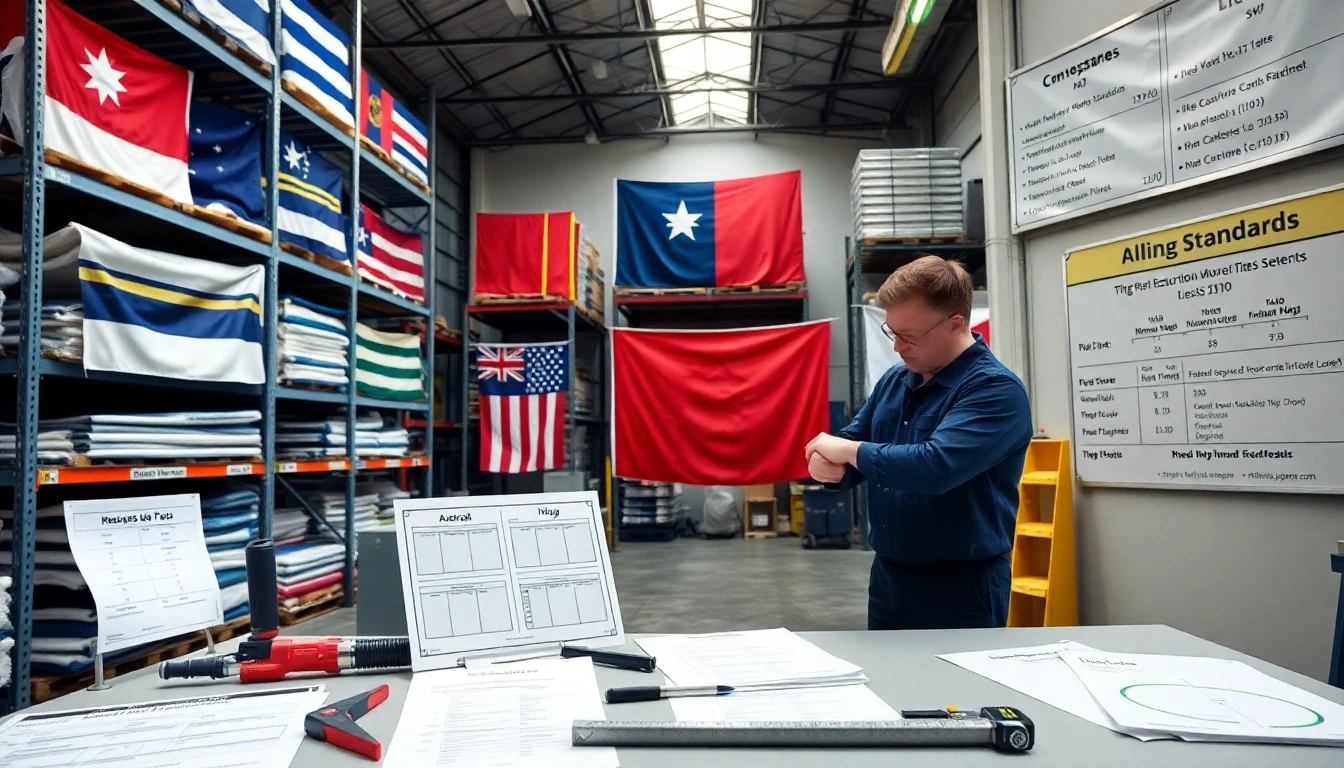
Start with your pole height. Everything else stems from that one measurement. Grab a tape measure. Walk outside. Get the exact number in feet. Write it down. This number tells you which flag looks right and stays safe.
The math is simple: take your pole height and use 0.25 to 0.33. That gives you the ideal flag length. A 20-foot pole? Use 0.25 to get 5 feet, or 0.33 to get 6.6 feet. Your flag should fall between 3'×5' and 4'×6' . That's the sweet spot. The flag fills the visual space. It won't overwhelm the pole.
Most residential flagpoles stand between 15 and 25 feet tall. The 3'×5' flag works best for this range . Picture an average adult spreading their arms wide—that's about 5 feet. That width makes the flag visible from the street. It keeps good proportion too. Hardware stores stock this size year-round. Online national flag suppliers like RunCustomFlag have them ready to ship.
Matching Standard Sizes to Your Pole
Skip the calculations. Use this quick reference instead:
15-foot poles
3'×5'
2.5'×4' minimum, 3'×5' recommended
20-foot poles
3'×5'
3'×5' standard, 4'×6' maximum
25-foot poles
4'×6'
4'×6' typical, 5'×8' for impact
30-foot poles
5'×8'
5'×8' balanced choice, 6'×10' alternative
40-foot poles
8'×12'
8'×12' required
50-foot poles
8'×12'
8'×12' minimum
60-foot poles
10'×15'
10'×15' or 10'×19' needed
Wall-mounted flags need different sizing. Take your national flag width and double it for pole length. A 3'×5' flag needs a 6-foot bracket pole. The flag covers about half the pole length. Measure your available wall space before you order. A 6-foot pole jutting from your front entrance could hit visitors' heads.
Oversized national flags cause real problems. They stress mounting hardware too much. Wind catches the larger surface area. This creates forces the pole can't handle. A 6'×10' flag on a 20-foot residential pole will bend the pole during storms. It might even snap. Replacing damaged equipment costs more than buying the right size from the start.
Compliance Requirements for Official Flag Usage

Federal law treats the American national flag as more than cloth and thread. Title 4 of the U.S. Code, Chapter 1, sets binding rules for government agencies. It also creates advisory standards for everyone else. You won't face federal penalties for mistakes as a civilian. But states can impose fines. Even worse, improper flag display damages your organization's reputation. Professional operations follow these protocols.
Section 1 defines the physical specs. Thirteen horizontal stripes alternate red and white. The union—that blue canton—holds fifty white stars for the states. These aren't decorative choices. They're legal requirements for any flag claiming official status.
Display Requirements
Section 6 tells you where flags must appear. Every public institution displays the flag on or near its main building. Polling places must fly flags on election days. No exceptions. Schools show the flag in or near every schoolhouse during school days. Government contractors often mirror these standards even without a legal requirement. It shows professionalism and compliance awareness.
Freedom to Display Act
The Freedom to Display Act protects homeowners. Homeowner associations and condo boards cannot ban the U.S. flag on your property. Not if you hold ownership or exclusive use rights. They can set reasonable time, place, and manner rules. But outright bans violate federal law.
State mandates add layers. Washington's RCW 1.20.017 requires cities, towns, counties, and state agencies to display U.S., state, and POW-MIA flags on principal buildings. This applies to Memorial Day, Independence Day, and other specified occasions. Courts, schools, and government buildings must keep permanent flag displays under RCW 1.20.015 and 35A.21.180.
Position and Manner Protocols
Section 7 governs flag placement. Got multiple flags of about equal size? No foreign flag or United Nations flag can occupy equal, superior, or more prominent position than the U.S. flag—except at UN headquarters in New York. The American flag takes the highest position. In group displays, it goes at the center or highest point.
Mounting on a wall against crossed staffs? Place the U.S. flag on its own right—the viewer's left. The staff crosses in front of other flags' staffs. This positioning shows hierarchy through visual placement.
Section 8 covers handling and use. The flag never touches the ground. Never carry it flat. Don't use it as costume material or athletic uniforms—though flag patches on military uniforms follow separate authorization. No bedding, drapery, or apparel uses the flag pattern. Advertising breaks the code. Paper napkins, plates, and disposable items with flag designs violate protocol.
Never attach marks, insignia, letters, or designs to the flag itself. No ceiling covers. Avoid anything that could cause tearing, soiling, or damage during fastening or storage.
Weather and Display Timing
Display the flag from sunrise to sunset unless you light it for night display. All-weather national flags handle rain, snow, and wind. Standard cotton or nylon flags come down during bad weather. This protects both the flag material and the symbolic dignity.
Disposal follows specific protocol under Section 8(k). Got a flag that's torn, faded, or damaged beyond respectful display? Destroy it in a dignified manner, away from public view. Burning remains the traditional method. Many veterans' organizations, including American Legion and VFW posts, conduct formal flag retirement ceremonies. They'll accept worn flags from the public.
Ordering custom flags from RunCustomFlag for government buildings or official ceremonies? Specify compliance with 4 U.S.C. Chapter 1 specs. Professional national flag suppliers understand federal requirements. They'll confirm your flag meets legal standards before production begins. State contracts often require written proof of code compliance. Get that documentation upfront. It protects you during procurement audits.
Custom National Flag Manufacturing: Meeting Official Standards

Professional flag makers do more than cut fabric and sew stripes. They handle federal procurement rules, material certifications, and technical specs. These requirements separate real national flag manufacturers from suppliers who sell imported knockoffs labeled as domestic products.
The Flag Manufacturers Association of America (FMAA) sets the certification standard for genuine U.S.-made flags. Membership alone doesn't cut it. Manufacturers must prove every production step happens in American facilities. This covers weaving yarn into fabric, bleaching, printing, dyeing, cutting, sewing, assembling, finishing, and packaging. No outsourcing to foreign contractors. No partially-assembled imports that get "finished" stateside.
Raw material documentation creates the paper trail. Suppliers provide country of origin certificates for every component. Manufacturers keep these files for regulatory audits. Each finished flag carries labeling that meets U.S. Customs and Federal Trade Commission requirements. The country of origin must appear on every product.
The FMAA Certification Seal
Look for the official seal before you buy. Certified flags display: "Flag 100% Made in the U.S.A." plus "Flag Manufacturers Association of America" with the specific national flag manufacturer's name and "Wayne, PA 19087." This seal represents verified domestic production, not marketing claims.
The All-American Flag Act raised the bar for government procurement. Federal agencies must now purchase national flags made in the United States using domestic materials. The previous 50% U.S. materials rule disappeared. Agencies got 180 days to replace non-compliant inventory.
Why did Congress tighten the rules? In 2015, import data showed $4 million of the $4.4 million spent on U.S. flags came from China. American taxpayer money funded foreign production of American symbols. The new law closed that loophole.
Manufacturing Process for Standards Compliance
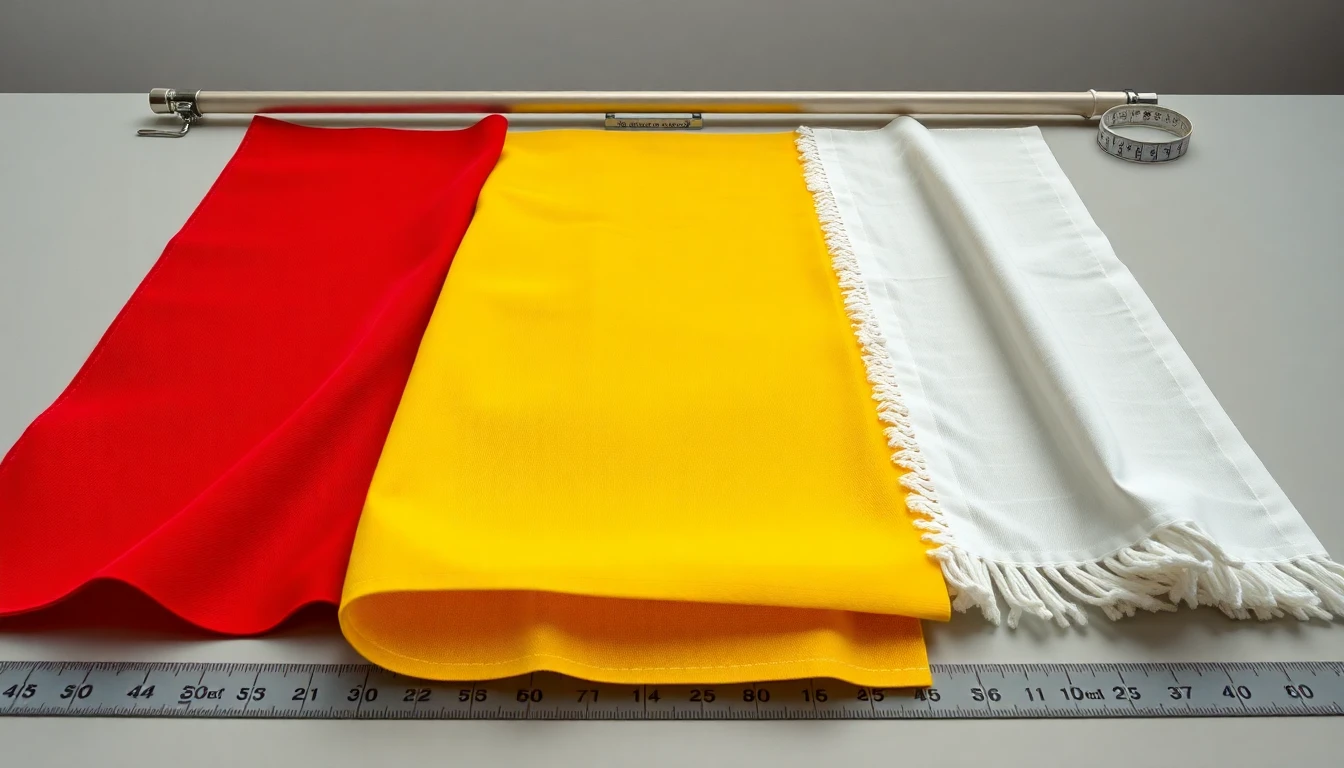
Quality starts with fabric preparation. Manufacturers cut and dye raw materials using high-grade colorants. These colorants are formulated for the specific red, white, and blue shades defined in federal specs. These dyes resist bleeding during washing. They prevent color damage from UV exposure. Cheap dyes fade within months. Professional-grade treatments keep colors vibrant for years.
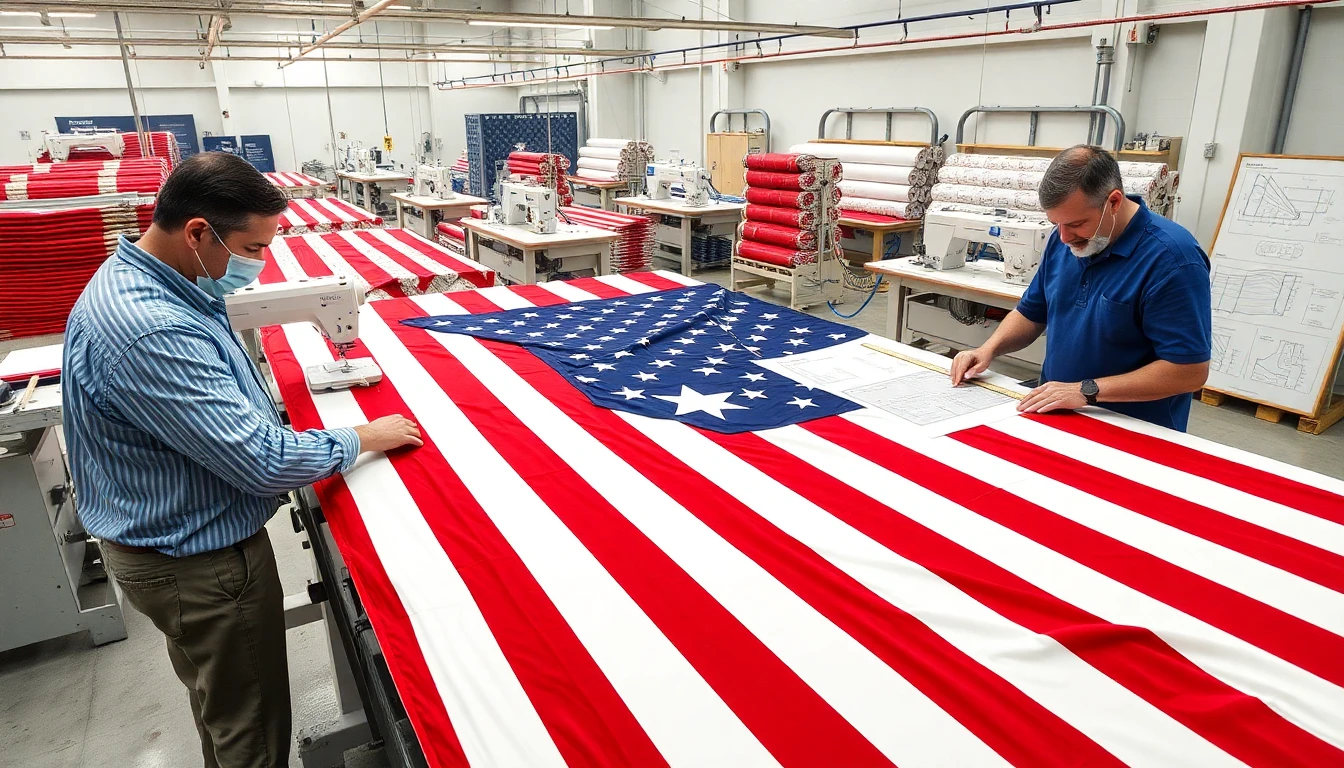
Precision cutting follows math specs. Each red stripe measures 1.9 inches wide in scaled production models. The pattern repeats: seven red stripes alternating with six white stripes. Computer-aided design (CAD) systems ensure star placement matches the arrangement required by 4 U.S.C. Chapter 1. Manual cutting introduces errors. Automated systems maintain tolerances within fractions of a millimeter.
The blue canton occupies the top left quarter of the flag's total area. Fifty stars follow the positioning formula—not random scattering. Industrial sewing machines assemble components using automated production lines. This guarantees consistent seam strength and alignment across thousands of units.
Quality inspections happen at multiple checkpoints. Fabric enters inspection after dyeing. Operators check for color consistency and material defects. Cut pieces get verified for size accuracy before assembly. Finished flags undergo final inspection for stitching quality, star alignment, and stripe spacing. Defective units never reach packaging.
After passing inspection, manufacturers add the FMAA seal and origin labeling to certified products. Final packaging occurs in U.S. facilities. This complete domestic supply chain costs more than offshore production. But it's the legal route for government contracts and the ethical choice for organizations committed to authentic American-made products.
Technical Specifications for Custom Flag Orders
Design files require vector format and high resolution for ordering custom national flags that incorporate logos or specialized imagery. Raster formats like JPEG or PNG lose quality during scaling. Vector files maintain crispness at any size.
Color matching uses the Pantone Matching System (PMS). RGB and CMYK values vary between monitors and printers. PMS codes eliminate guesswork. Specify exact PMS numbers for your brand colors. Manufacturers mix inks to match those codes. This ensures your company's red matches across flags, banners, and other branded materials.
Design templates include bleed and safe areas. Bleed extends your design past the cut line. This prevents white edges if cutting shifts a bit. The safe area keeps critical elements—text, logos, faces—away from edges where hemming might obscure them. Professional designers build these margins into artwork. Amateur designs often lose content during production.
Material Standards for Durability
200-denier nylon serves as the industry standard for outdoor flags meeting ISO quality specs. This weather-resistant fabric handles wind, rain, and sun exposure. Canvas headers provide reinforcement along the hoist edge—where the flag attaches to the pole. Brass grommets resist rust and tearing under tension. Cheap alternatives use aluminum grommets that corrode or plastic grommets that crack in cold weather.
Vinyl banners use 13-ounce material for single-sided promotional displays. Manufacturers install grommets along top and bottom edges for horizontal hanging. This material works for temporary events and promotional displays. But it lacks the durability needed for permanent outdoor flag installation.
Ordering from manufacturers like RunCustomFlag for official or commercial use? Specify FMAA compliance requirements upfront for U.S. government contracts. Request material certifications and production location documentation. Ask about quality control processes and warranty terms. Professional suppliers provide this information without hesitation. Hesitation signals potential compliance problems you'll inherit once the flags arrive.
Flag Size Conversion Chart and Calculation Tools
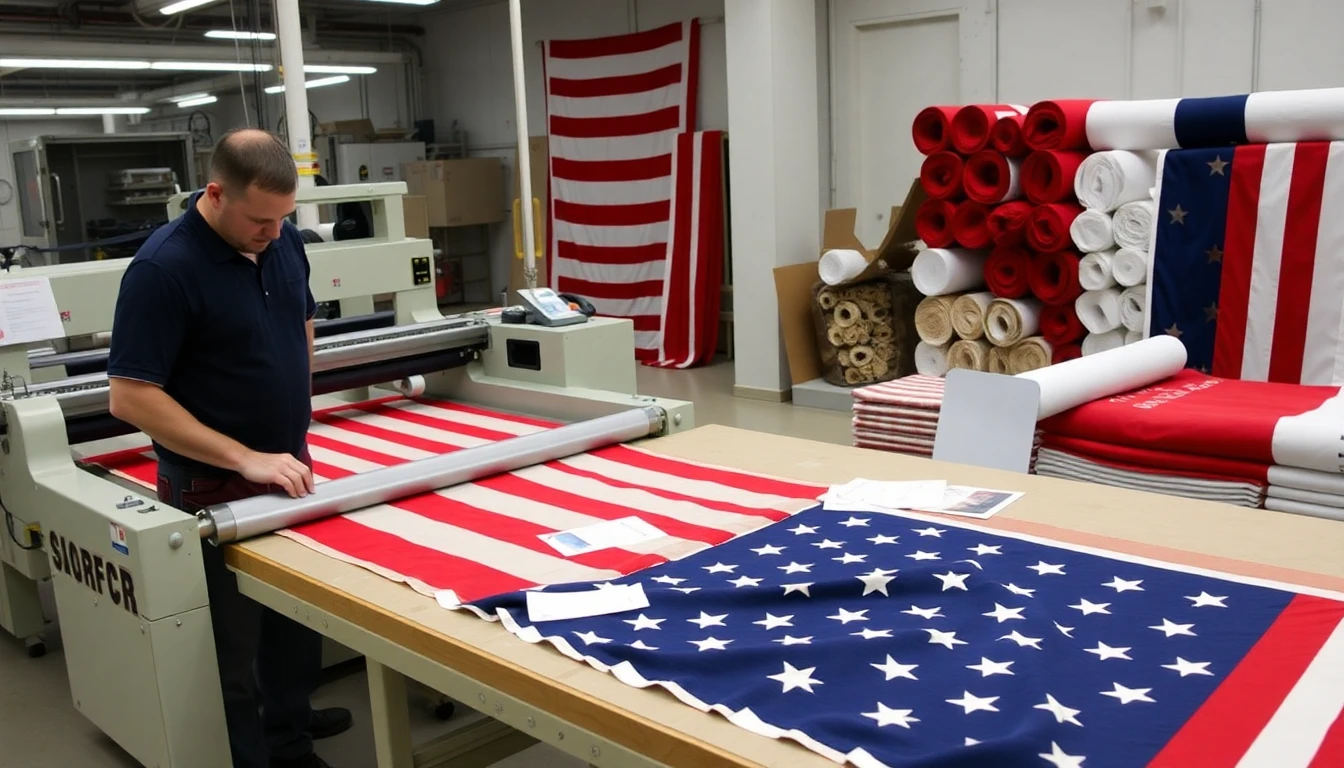
Imperial and metric measurements can trip you up during international flag orders. A residential 3×5 ft flag equals 90×150 cm in metric countries. That 4×6 ft commercial flag? It's 120×180 cm. The 5×8 ft government building standard measures 150×240 cm. Get these numbers right for global national flag suppliers or overseas shipments.
Quick Reference Conversion Table
Standard US flag sizes with metric equivalents:
| Imperial Size | Metric (cm) | Typical Use |
|---|---|---|
| 12×18 inches | 30×45 cm | Desktop displays |
| 8×12 inches | 20×30 cm | Mini desk flags |
| 2×3 feet | 60×90 cm | Small residential, events |
| 3×5 feet | 90×150 cm | Standard house flag |
| 4×6 feet | 120×180 cm | Larger homes, small businesses |
| 5×8 feet | 150×240 cm | Commercial buildings |
| 6×10 feet | 180×300 cm | Large outdoor installations |
| 8×12 feet | 240×360 cm | Prominent commercial displays |
| 5×9.5 feet | 152.4×289.56 cm | Military casket flag |
Pole Height Matching System
The math stays simple: flag length should equal about one-quarter of your pole height . A 40-foot pole needs a minimum 10-foot flag length. Calculate using this formula: divide pole height in feet by 4 to get minimum national flag length.
Key Sizing Formula
Flag Length = Pole Height ÷ 4 | Flag Length = Pole Height × 0.25 to 0.33
Practical sizing chart:
| Pole Height | Recommended Flag Size | Alternative Size |
|---|---|---|
| 15 ft | 3×5 ft | 2×3 ft |
| 20 ft | 3×5 ft | 4×6 ft |
| 25 ft | 5×8 ft | 4×6 ft |
| 30 ft | 6×10 ft | 5×8 ft |
| 40 ft | 8×12 ft | 6×10 ft |
| 50 ft | 10×15 ft | 8×12 ft |
| 60 ft | 10×15 ft | 10×19 ft |
| 80 ft | 15×20 ft | 12×18 ft |
| 100 ft | 18×24 ft | 20×30 ft |
Proportion Calculator Method
The US flag follows the 1:1.9 ratio from Executive Order 10834. Every dimension comes from one number—called "x" in flag calculations. Pick your desired hoist (width) as your x value. Multiply that number by each ratio to get exact measurements.
Core ratios for calculations:
Hoist (width)
1.0 × x
Fly (length)
1.9 × x
Union hoist
0.5385 × x
Union fly
0.76 × x
Star diameter
0.054 × x
Stripe width
0.0769 × x
Example: Want a 3-foot hoist? Set x = 3. Your fly length = 3 × 1.9 = 5.7 feet. The union hoist = 3 × 0.5385 = 1.62 feet. Each star diameter = 3 × 0.054 = 0.162 feet (about 1.94 inches).
Online Calculation Tools
Omni Calculator's Flag Proportion Tool does the math for you. Enter your desired hoist measurement. You get every dimension—union size, star diameter, stripe width. It works with feet, inches, centimeters, or meters.
Inch Calculator's Flag Size Tool converts between standard sizes. Input your pole height. You'll see flag size suggestions. The tool shows both minimum and maximum sizes for good visual balance.
Action Flag's Quick Converter switches between measurement systems. Type inches, feet, or centimeters. Get instant conversions for international national flag manufacturers.
Custom orders from suppliers like RunCustomFlag work well with these calculators. Send exact dimensions in both imperial and metric. Include your pole height and installation location. Manufacturers check your numbers against what they can produce. This stops you from ordering flags that overpower your space or get lost against large buildings.
Conclusion
Official flag size standards for countries matter more than you might think. These measurements help you respect national symbols. They also save time and money while avoiding compliance problems. Government procurement officers need these specs for protocol. Event organizers use them for international ceremonies. Even if you just want to display a flag the right way, these details count.
Flag dimension requirements change around the world. The United States follows Executive Order 10834. Switzerland uses a unique 1:1 ratio. But one thing stays the same: accuracy matters for official flags.
We've built RunCustomFlag on precision. Our team turns complex standards into flags that meet government and institutional needs. We work with official specs from over 190 countries. Your custom flag looks great and meets all requirements.
Want a flag that meets exact official standards? Check out our custom flag options. Our flag experts can help you pick the right dimensions for what you need.