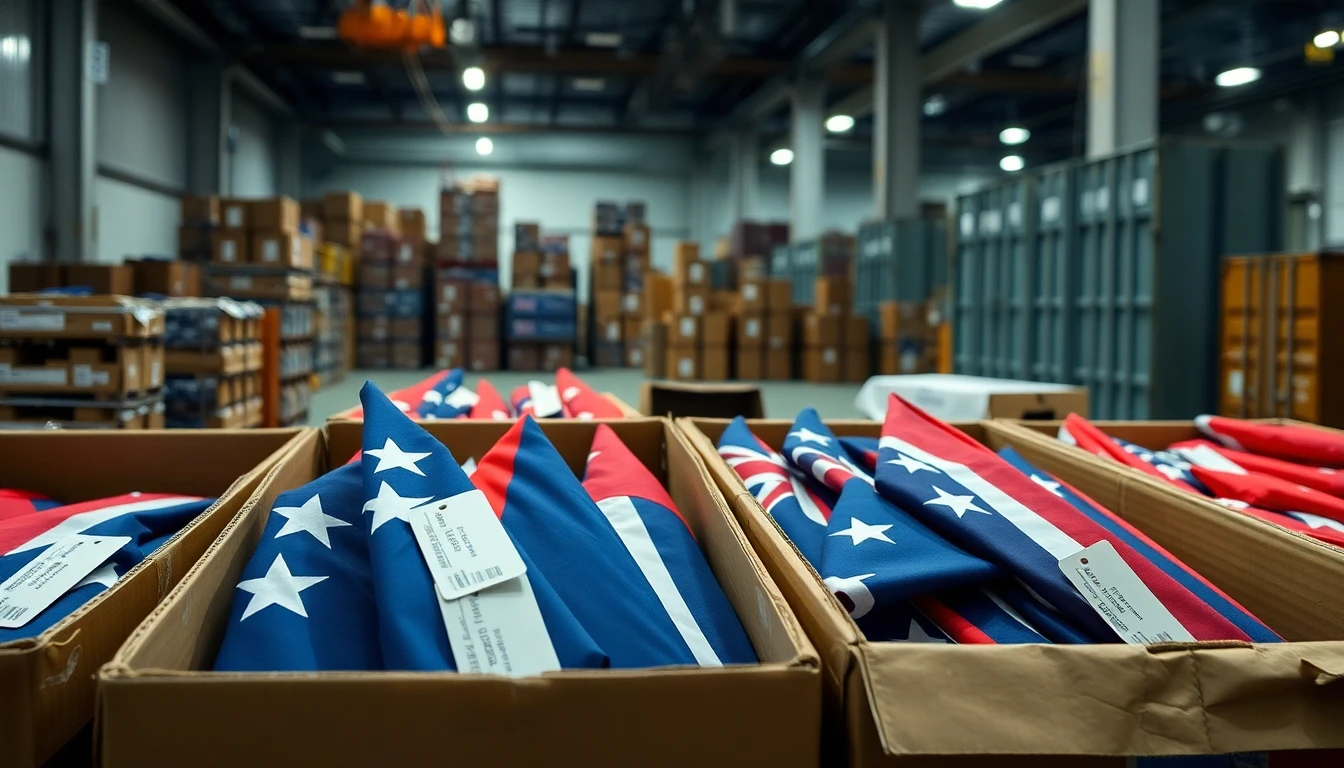
The wrong flag material costs hundreds in early replacements. Property managers, business owners, and homeowners have watched their flags shred in storms or fade within months.
National flag materials aren't interchangeable. A flag that thrives in sunny California might fall apart in coastal Maine.
You might be eyeing nylon for your budget. Or you're considering polyester for its proven track record. Maybe cotton's ceremonial look appeals to you. Each flag fabric type has distinct advantages. But they matter if they match your specific conditions.
This comparison cuts through manufacturer marketing. You'll see which material delivers the flag durability you're paying for. We'll show how weather resistance plays out in real scenarios. Most important: which choice saves you money while keeping your flag looking dignified instead of tattered.
Here's the science behind these three materials. Make one smart purchase instead of three expensive mistakes.
Nylon Flags: Lightweight Champion for Everyday Use
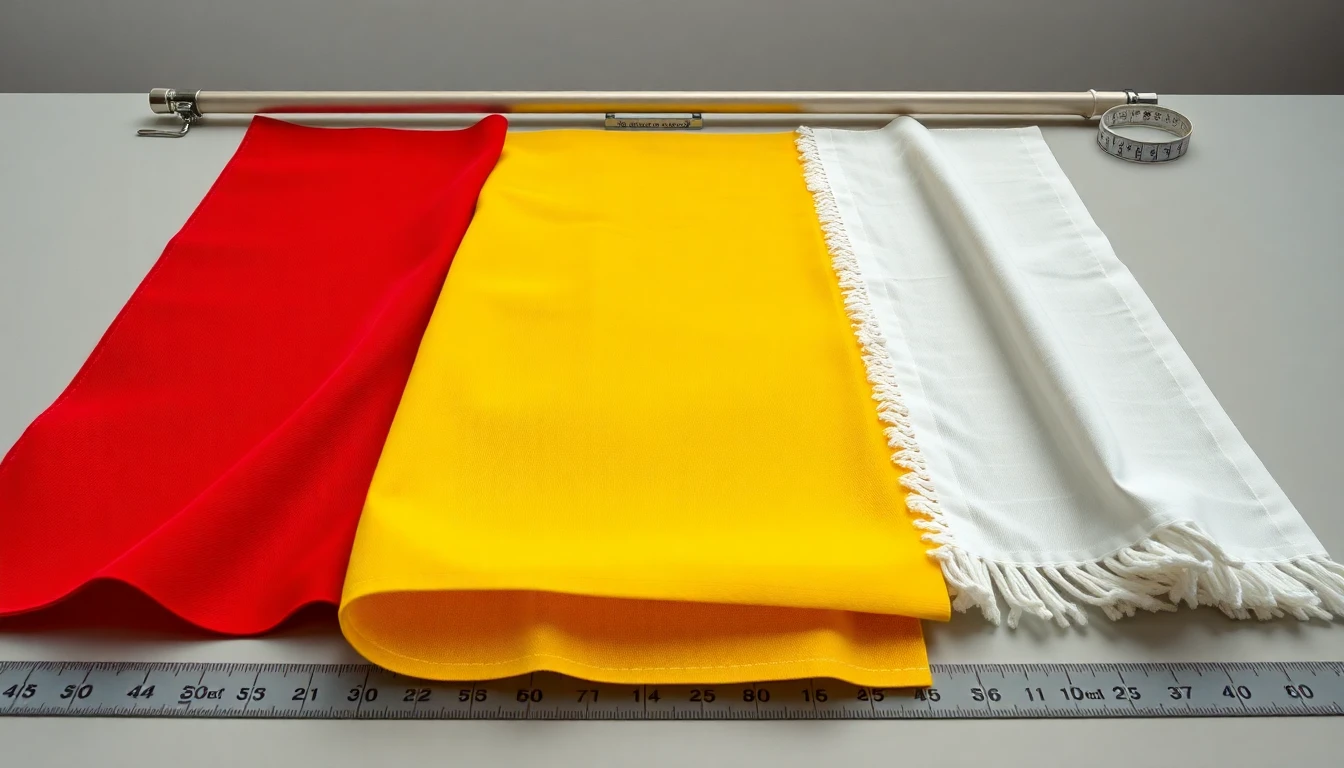
Nylon weighs half what polyester does. Installing a flag on a 20-foot pole? The lighter weight makes a big difference. Strong winds won't bend your mounting bracket as easily either.
At 200 denier with tight weaving, nylon flag fabric catches the slightest breeze. Your neighbors' polyester flags hang limp on calm mornings. Yours waves in air currents you can't even feel on your skin. This isn't just about looks. A flag that moves looks well-maintained. A still flag looks forgotten.
Performance Where It Counts
Water slides off nylon like it's waxed. The weave pushes moisture away. After a rainstorm, polyester flags drip for hours. Nylon dries in minutes. This quick drying stops mildew from forming on flags left outdoors all year.
The color advantage is clear. Hold nylon next to polyester in sunlight. Nylon gives you deeper reds and sharper blues. The material blocks UV rays better than polyester. Your flag stays bright instead of turning into that faded eyesore three houses down.
Nylon's flexibility adds strength. The fabric stretches a bit under stress, then bounces back to shape. Coastal winds that rip rigid materials just make nylon dance. This stretch is why lightweight flag fabric holds up in tough conditions.
Real-World Limits
Constant wind wears nylon down. The edges fray after months of 24/7 exposure to gusty weather. Polyester handles steady wind better. Live somewhere with regular 20+ mph winds? Nylon works better as a seasonal choice rather than a year-round option.
But for standard home use? Nylon beats its price point. Raise it in the morning, take it down at night. Display it on weekends. Carry it folded for parades, then put it up fast. The weather resistant build handles changing conditions. Plus, you skip the weight of heavier materials.
Canvas heading with dual grommets gives you secure attachment points. This design stops fabric tears that start at mounting holes. Basic engineering protects your investment.
Polyester Flags: Tough Solution for Harsh Weather
Double-layer polyester handles punishment that destroys other materials. Heavy rain, snow, constant sun, dirt buildup—this fabric keeps flying. Competitors have already torn apart.
The construction shows you why. Two layers of spun polyester bond into one thick sheet. Run your fingers across it. You'll feel how dense it is. This isn't delicate material. It's armor for fabric.
Built for Constant Wind
Coastal areas face this problem daily. Wind hits your flag every single day. Morning gusts. Afternoon storms. These forces fray nylon edges within months. Polyester flag material fixes this through pure physics. The tighter weave and heavier weight resist the whipping motion that causes damage.
Stand outside during 30 mph winds. Your polyester flag waves but doesn't snap hard. The weight calms the harsh movement that tears lighter fabrics. Plains states, mountain regions, anywhere storms roll through often—polyester works best here.
Tough-Tex® goes further with an open weave design. Seems odd, right? The engineered spacing lets wind pass through. It doesn't push against solid fabric. Stress drops. Your flag lasts longer. The national flags' maker backs this with a one-year ColorFast Guarantee. Industrial sites and commercial buildings pick it for this reason.
Sun Resistance That Works
UV treatment isn't just talk. Place polyester next to untreated nylon under August sun for six months. The polyester keeps its reds and blues. The nylon fades to pastels. Fade resistant flag material matters for 24/7 display.
This heavy duty flag material handles water better than you'd think. Rain soaks in but spreads across the weave. Then it dries fast. Mildew can't grow easily here. Your flag stays cleaner between washings.
Real Cost vs. Real Value
Polyester weighs more than nylon. You need real wind to make it move. On calm days, it hangs straight down. No gentle morning flutter. Some buyers don't like this trade-off.
The price runs higher too. Making double-layer construction costs more. But look at replacement frequency. One polyester flag outlasts three nylon versions in harsh conditions. The math favors polyester for permanent setups.
Polywavez® and Durawavez® models add specific protections. Solar shielding, better UV resistance, even fire-retardant properties for institutions. These aren't gimmicks. Facilities managers choose these materials because downtime costs money.
Construction details matter: double-stitched seams, reinforced hems, strong bar tacks, brass grommets set into polyester canvas headings. Every weak point gets extra attention. The fabric handles abuse, but poor stitching ruins everything.
Pick polyester for flags facing severe weather year-round. Bringing it inside isn't practical. Replacement costs and maintenance time are higher than the upfront price.
Cotton Flags: Traditional Choice for Indoor Display

Cotton drapes like no synthetic can. The weight pulls fabric into natural folds. Stars sit flat. Stripes hang without wrinkles. This matters when your flag stands still in a lobby or conference room.
100% cotton bunting brings heritage into modern spaces. The earliest American flags used this material. Veterans know the texture right away. Historical groups want it for the real thing. Corporate offices pick it because synthetic flags look cheap next to wood panels and brass fixtures.
What Makes Cotton Different
The soft feel sets cotton apart right away. Touch it next to polyester. You'll see why ceremonial settings skip synthetics. This natural fiber has visual weight. It photographs well. Stage lighting works great with cotton's matte finish. Camera flashes don't create glare spots.
Construction details show the quality. Sewn stripes instead of printed patterns. Embroidered stars measure 3.25 inches on the 5' x 9.5' size. These specs meet VA standards for burial ceremonies. Heading fabric stays firm. #2 brass grommets anchor into material that won't tear.
Golden yellow fringe turns basic flags into formal display pieces. Indoor sets include polished wood staffs. The complete package works for dedications, memorial services, county meetings. These are places where appearance matters.
Size Selection Guide
Pick 2' x 3' for office walls and conference rooms. Standard grommet finish lets you mount it flat. The $42 price point fits most budgets.
Move to 3' x 5' for entryway displays. This size grabs attention. It won't overwhelm residential spaces. The fringe option adds ceremony without going overboard.
Large venues need 5' x 9.5' flags. Think auditoriums, church sanctuaries, government chambers. Spaces with high ceilings and formal needs. Larger embroidered stars show detail from far away.
The Indoor-Only Rule
Cotton fails outdoors fast. Morning dew soaks in. The fabric holds moisture. Mildew grows within weeks of constant exposure. Sun bleaches colors in patches. Rain causes rot. It spreads from hem stitching.
Keep cotton inside controlled spaces. Machine wash when needed. Store in dry locations between displays. This care routine keeps your flag good for decades instead of months.
Material Comparison: Side-by-Side Analysis
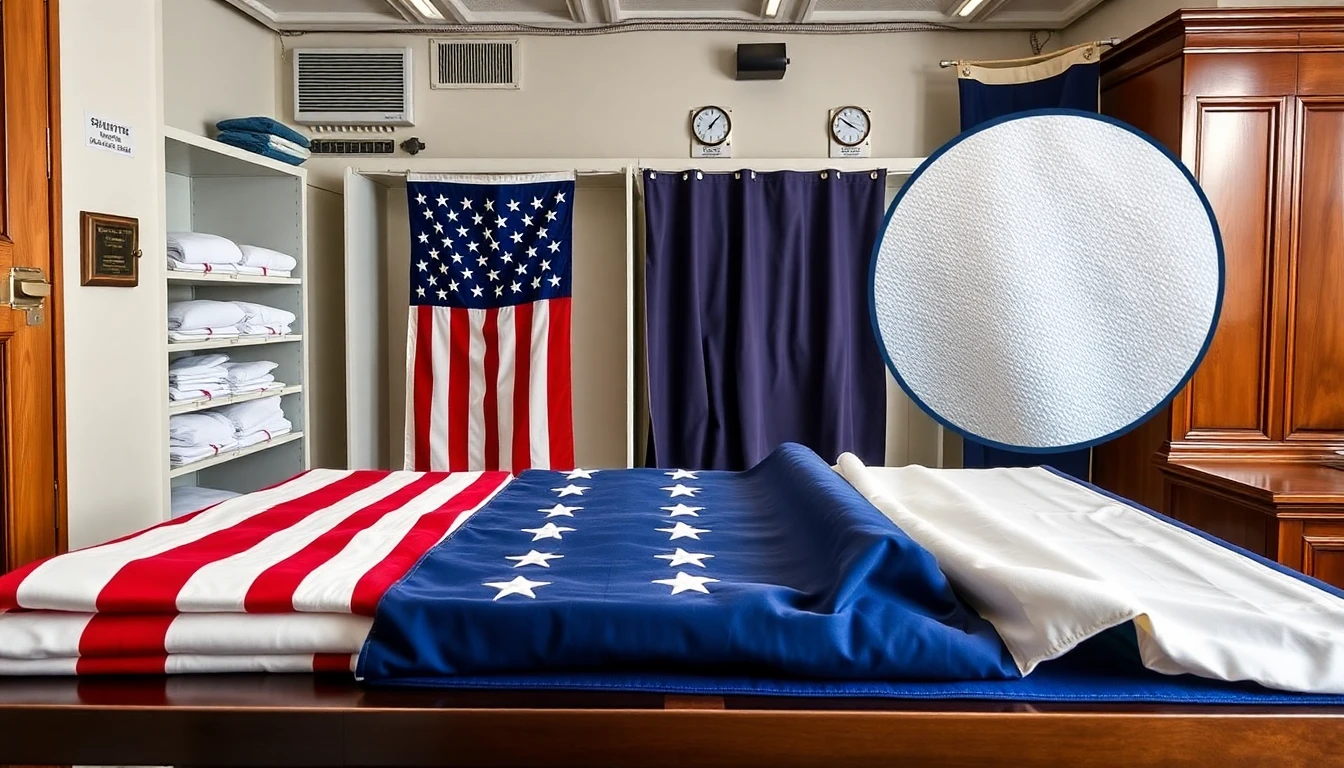
Three materials compete for your flagpole. Each one promises durability, appearance, and cost benefits. Performance data reveals what marketing hides.
This breakdown puts nylon, polyester, and cotton under direct review. You'll see where each material wins and where it fails. Numbers matter more than claims here.
Physical Properties That Define Performance
Material weight separates these fabrics right away. Nylon runs 200 denier. Polyester hits 300-400 denier based on how it's made. Cotton bunting weighs the most at 100% natural fiber density.
The flag material weight affects everything else. Lighter nylon needs 3-5 mph wind to move. Polyester requires 8-12 mph for visible motion. Cotton hangs still unless wind hits 10+ mph.
Water absorption changes the durability game. Nylon absorbs less than 4% of its weight in water. Polyester takes on 0.4%. Cotton soaks up 25% or more. This explains why cotton rots outdoors. Synthetics survive.
200D
Nylon Weight
300–400D
Polyester Weight
<4%
Nylon Water Absorption
0.4%
Polyester Absorption
25%+
Cotton Absorption
Durability Metrics Under Real Conditions
Flag durability breaks into clear categories. Abrasion resistance tests show polyester lasting 50,000+ cycles before fiber breakdown. Nylon fails around 30,000 cycles. Cotton tears under 10,000 cycles with outdoor exposure.
UV resistance testing reveals the fade timeline. Polyester with ColorFast treatment keeps 85% color strength after 12 months of direct sunlight. Standard nylon drops to 70% in the same period. Cotton bleaches to 40% within 6 months outdoors.
Tensile strength under wind stress tells the story. Polyester handles steady 35 mph winds for 12+ months before edge fraying starts. Nylon shows fraying at 8-9 months under the same conditions. Cotton develops tears within weeks at these speeds.
50K+
Polyester Abrasion Cycles
30K
Nylon Abrasion Cycles
85%
Polyester UV Color Retention (12 mo)
70%
Nylon UV Color Retention (12 mo)
40%
Cotton UV Retention (6 mo outdoor)
Cost Analysis Over Lifespan
Price per flag tells you nothing. Replacement frequency sets the real expense. A $60 polyester flag lasting 24 months costs $2.50 per month. A $35 nylon flag replaced every 10 months runs $3.50 per month. Cotton at $45 for indoor use costs $1.87 per month over 24 months with proper care.
Commercial buyers tracking heavy duty flag material performance see polyester delivering 18-36 month outdoor lifespans in moderate climates. Coastal high-wind zones cut this to 12-18 months. Nylon averages 8-14 months before you need a replacement.
The math shifts with usage patterns. Weekend display? Nylon wins on cost-per-flying-day. Year-round 24/7 exposure? Polyester's higher upfront cost fades through longer replacement gaps.
| Material | Typical Price | Outdoor Lifespan | Cost/Month | Best Use |
|---|---|---|---|---|
| Nylon | ~$35 | 8–14 months | ~$3.50 | Home / Weekend Display |
| Polyester (2-ply) | ~$60–$90 | 18–36 months | ~$2.50 | Commercial / 24/7 Outdoor |
| Cotton | ~$45 | Indoor only | ~$1.87 | Ceremonial / Indoor |
Best Flag Material for Different Scenarios

Where you put your flagpole determines which material lasts. A beach house flag battles different elements than a government building display.
Residential Porches and Light Wind Areas
Nylon works well for home displays. Most suburban yards get 5-8 mph breezes on average days. This moves lightweight flag fabric without any strain. The 200 denier weave catches air that heavier materials miss.
Drinking morning coffee on the porch? Your nylon flag waves in light air currents. Neighbors with polyester flags see theirs hang limp until afternoon gusts arrive. This difference shows up. It matters for keeping your home looking good.
Nylon gives you moderate weather protection. Spring rains, summer sun, autumn winds—it handles typical suburban conditions. You'll get 8-14 months before edges start fraying. Bring it in during named storms. This simple step doubles how long it lasts.
The price fits home budgets. Replacements cost less than commercial-grade materials. Most homeowners buy new ones each year. They're fine with this for bright colors and light weight.
High Wind Coastal and Mountain Regions
Winds over 20 mph destroy nylon in months. Coastal properties and mountain homes need tougher materials. Two-ply polyester fits these conditions.
Heavy duty flag material stands up to steady wind pressure. Sewn layers add thickness. This stops the whipping motion that causes tears. Your flag survives abuse that shreds lighter options.
Beach towns show this every day. Salt air, UV rays, non-stop wind—polyester flags last 18-24 months here. Nylon dies in 6 months under the same conditions. Commercial fishing operations use polyester. Downtime costs them money. Government coastal stations stock polyester for the same reason.
Mountain properties face similar challenges. Higher elevation means faster winds. Big temperature swings stress the fabric. Polyester's fade resistant flag material qualities protect against harsh alpine sun at 8,000 feet.
The higher cost pays off through fewer replacements. One $75 polyester flag outlasts three $40 nylon versions over two years. Commercial buyers figured this out long ago.
Indoor Ceremonial Settings
Cotton wins for indoor use. No synthetic drapes like cotton. Veterans' halls, courtrooms, corporate lobbies—these places need cotton's formal look.
The soft texture photographs well. No synthetic sheen appears. Stage lighting looks good with cotton bunting. Award ceremonies, memorial services, board meetings—cotton adds dignity that polyester can't match.
Embroidered stars and sewn stripes meet formal rules. The 5' x 9.5' size with golden fringe makes a visual statement. Government offices choose this for this reason.
Keep it inside though. One rainstorm starts mildew. This spreads through natural fibers fast. Cotton absorbs 25% of its weight in moisture. Rot sets in within weeks outdoors. Indoor spaces with controlled conditions let cotton last for decades. Basic care is all it needs.
24/7 Commercial and Government Display
Sewn polyester works for constant outdoor use. Municipal buildings, corporate headquarters, car dealerships—anywhere flags hang around the clock needs this strength.
The cost makes sense for businesses. A $90 two-ply polyester flag flying 24/7 lasts 18-36 months. That's $2.50-$5 per month for constant brand presence. Compare this to staff time replacing cheap flags every few months.
Large commercial flags need heavy-duty grommets and reinforced hems. Polyester construction holds up at these stress points. The material resists dirt buildup, bird activity, and pollution. Urban settings destroy lighter fabrics fast.
Business districts show the pattern. Count flags on commercial streets. Polyester makes up most of them. Property managers track replacement costs closely. Weather resistant flags stay presentable between cleanings. They last until planned replacement time. No emergency fixes needed.
Flag Material Lifespan and Replacement Guidelines
Your flag won't last forever. Sun, wind, and rain break down materials. Know the right time to replace your flag. This saves money and keeps you from flying worn-out fabric.
Expected Lifespan by Material and Conditions
Government standards say nylon or cotton flags flown from sunrise to sunset last about 90 days. That's under normal weather. Real conditions can change this fast.
Moderate outdoor environments give you 3-6 months with standard nylon. Suburban yards with average wind and mixed sun fall in this range. Month four brings visible wear. By month six, you need a new flag.
Polyester construction lasts longer. Gettysburg Flag Works reports 6-18 months for their polyester and nylon blends. Two-ply polyester in high-wind coastal zones lasts 4-8 months. The extra layer adds strength. But wind stress wins out over time.
Extreme conditions destroy flags in weeks. Winds over 30 mph, heavy UV, salt spray—these can shred fabric in 22 days. Beach properties and exposed mountain spots see this. Plan to replace flags often here.
Physical Signs That Mean Replace Now
Fraying edges show up first. The outer end takes the most stress. Wind whips this edge all the time. Threads start to separate. The fabric looks fuzzy, not clean. This marks the start of breakdown.
Tears and holes mean retire it now. Small rips grow fast under wind pressure. A 2-inch tear becomes 8 inches after the next storm. The fabric has failed. Sewing won't fix this.
Color fade ruins your flag's look. Hold it next to a new one. Most people are shocked by the difference. Reds turn pink. Blues go gray. This happens over time. You don't notice until you compare them side by side. Faded flags look neglected. Replace them.
Thinning fabric becomes see-through. Hold suspect areas up to light. Can you see daylight through solid color sections? The weave has broken down. UV rays and friction wore the fibers thin. This fabric tears with little force now.
Stripe length matters for American flags. After repairs, stripes should never run shorter than the blue field. This changes the flag's proportions. It breaks display standards. Time to retire it.
Damaged stars or stitching hurt the design. Missing embroidery, separated seams, loose grommets—these make your flag look sloppy. Government facilities retire flags for less. You should too.
Basic Repair vs. Retirement Decisions
Minor damage can be repaired. Trim frayed outer ends. Sew a new hem with nylon or polyester thread. This works twice, maybe three times. The flag becomes almost square after that. Stop there.
Repair Works For
- Outer end shows light fraying
- Seams loosened but stayed intact
- Colors remain bright
- Fabric holds thickness
Retire Right Away For
- Tears over 3 inches
- Fade covers more than 30% of surface
- Multiple repair zones exist
- Fabric shows transparency
- Proportions changed beyond standard
Use color-matching outdoor thread. Reinforce stress points. Inspect each month—check seams, outer end, grommets.
Repaired flags don't last as long as new ones. The fabric has weakened. Your fix bought time, not full restoration. Plan to replace within 60 days of major repairs.
Rotation Strategy for Extended Use
Commercial operations run 2-3 flag rotation systems. One flies. One stays stored. One gets cleaned or repaired. Swap them every two months. This triples how long they last.
1
Flag #1 — Flying
Currently on the pole. Active display. Inspect weekly for fraying or fading.
2
Flag #2 — Stored
Clean, dry, folded. Ready to deploy. Swap in every 2 months or before named storms.
3
Flag #3 — Cleaning or Repair
Being washed, hemmed, or assessed. Rotates back to storage when ready.
Alternate by conditions. Use nylon during calm periods. Switch to polyester before storms hit. Match material to weather instead of leaving one type up all year.
Maintenance Practices That Add Months
Clean flags often. Dirt and algae eat fabric. Inspect during each washing. Catch problems before they grow. Avoid ground contact and rough surfaces. The U.S. Flag Code requires this respect.
Bring flags inside during severe weather. Ice storms, hurricanes, sustained high winds—these destroy fabric fast. Five minutes of work saves a $60 replacement.
Choose FMAA-certified flags with heavy-duty hardware. Quality construction resists stress better. Weak clips and thin grommets fail first. They damage fabric at mount points.
Store between uses with care. Fold it. Keep it dry. Prevent mildew in natural fibers. This matters for seasonal displays and backup flags in rotation.
Check each month to catch issues before failure. A small fray trimmed today prevents a tear next week. This simple habit doubles your flag durability in real conditions.
Retirement isn't waste. It's respect. American Legion posts conduct ceremonies for this. Your flag served its purpose. Give it dignified disposal at the end.
Expert Tips for Flag Material Selection
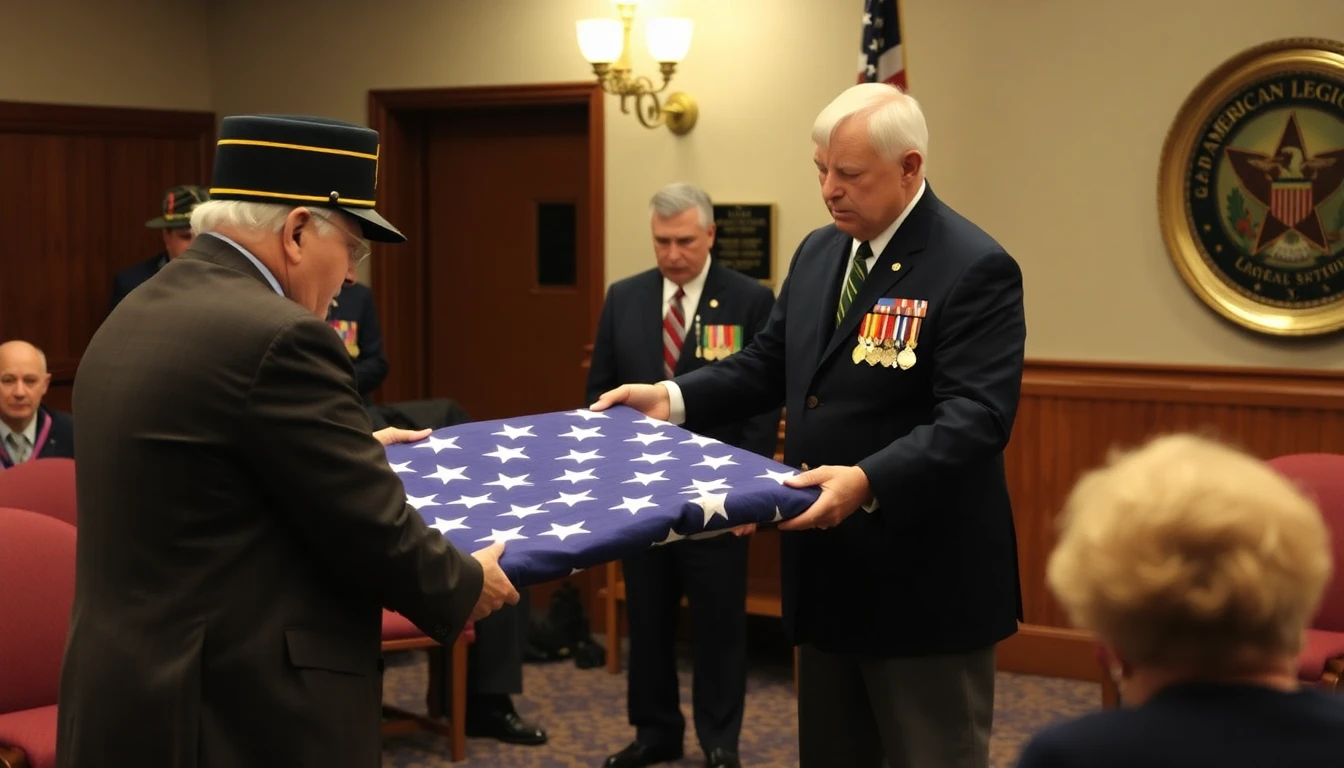
Match your flag to your flagpole's reality, not your wishlist. A rooftop pole facing ocean winds needs different fabric than a sheltered porch mount.
Start with wind assessment. Walk outside where your pole stands. Feel the breeze patterns at different times. Average winds below 15 mph? Standard nylon handles this. Gusts over 20 mph happen often? Polyester's tear resistance is what you need. Don't guess—check local weather data for your specific area.
Sun exposure changes everything. South-facing poles in Arizona destroy colors faster than north-facing displays in Seattle. Strong UV zones require SolarGuard®-treated Nyl-Glo nylon. This treatment blocks the chemical shifts that turn blue to purple and red to pink. Regular nylon fades here in months. Treated versions last three times longer.
Size dictates strength needs. Flags over 6x10 feet create massive wind load. A 20-foot commercial flag in 25 mph winds generates hundreds of pounds of force. Open-weave polyester with two layers cuts this friction. The engineered spacing lets wind pass through. It doesn't push against solid fabric. This heavy duty flag material construction stops the failures that rip cheaper flags apart.
For indoor ceremonial use, skip synthetics. Cotton bunting with embroidered stars and sewn stripes brings the visual weight government chambers and corporate lobbies require. The natural drape photographs well. Gold fringe options add formal ceremony.
Budget planning separates smart buyers from repeat buyers. A $35 nylon flag replaced four times per year costs $140. One $90 polyester flag lasting 18 months runs $60 per year. Calculate cost-per-month-flying, not sticker price.
Test durability claims before bulk orders. Buy one of each material type. Put them side-by-side for 90 days in your actual conditions. Document fade rates, edge wear, and color retention. Your specific environment matters more than national flags' manufacturer promises.
Common Questions About Flag Materials
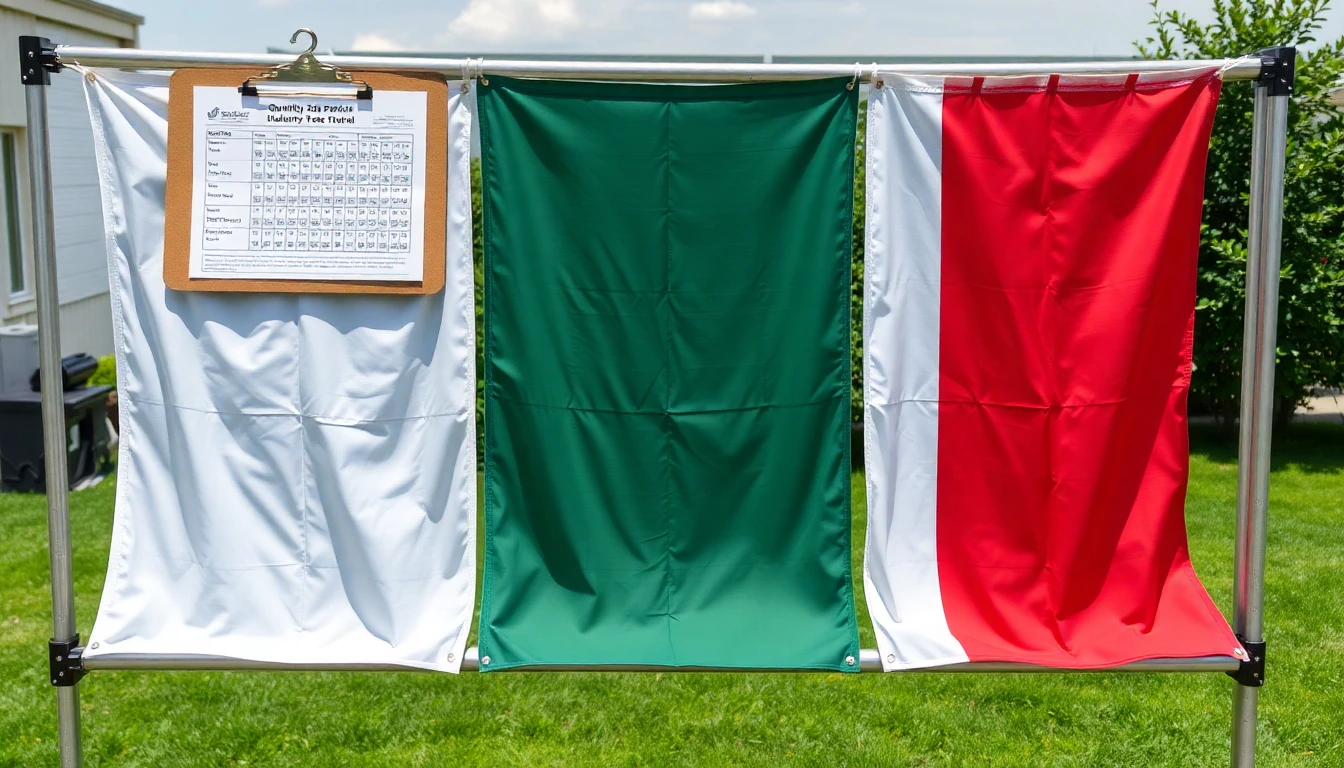
Buyers ask the same five questions before every purchase. These answers cut through the confusion.
How Long Will My Flag Last?
Ninety days. That's the US Government's baseline for outdoor display from sunrise to sunset. But this number needs context.
Nylon flags in protected suburban yards last 3-6 months. Take yours down each evening? You'll push this to 9 months. Leave it up 24/7? Cut the estimate in half. Constant sun exposure breaks down the fabric in 1.5 months for round-the-clock display.
Two-ply polyester adds months to these timelines. The same 24/7 exposure that kills nylon in 6 weeks gives you 3-6 months with polyester. Harsh coastal conditions? Polyester still performs while nylon has torn apart.
Cotton doesn't belong outdoors. Indoor ceremonial use gives you years. One rainstorm outside starts the countdown to mold. The material wasn't built for weather exposure.
90 days
US Gov Baseline (sunrise–sunset)
3–9 mo
Nylon Outdoor Lifespan
18–36 mo
2-Ply Polyester Lifespan
Years
Cotton Indoor Lifespan
What Destroys Flags Fastest?
Wind comes first. A flag tears within hours in 70 mph gusts. Even moderate 20-25 mph steady winds fray edges in weeks. The constant whipping motion breaks fibers at stress points. The end takes the beating. It fails first.
UV radiation runs a close second. Sun doesn't just fade colors. It breaks down the fabric's structure. Reds turn pink, then white. Blues shift to purple, then gray. The material becomes brittle. Small tears appear where the fabric should flex.
Rain and moisture feed mildew growth. Polyester wicks water away from fibers. It dries fast. Nylon holds more moisture but still resists mold well. Cotton soaks up 25% of its weight in water. It stays damp. Mold spreads through the weave within days.
Can I Extend My Flag's Life?
Rotation systems work. Buy three flags. Use one for two months. Store the second. Clean or repair the third. Swap them on schedule. This simple practice triples your flag's lifespan.
Bring flags inside during severe weather. Named storms, ice events, sustained high winds—these conditions destroy fabric in hours. Five minutes of work saves a $60 replacement.
Size matters more than buyers realize. Your flag should measure 1/4 to 1/3 of your pole's above-ground height. An oversized flag creates too much wind load. The pole hardware fails. The fabric tears at mount points. A right-sized flag reduces stress across the entire system.
Clean your flag before dirt embeds. Gentle washing removes particles that cut fibers. But never fold it wet. Dry it before storage. Moisture trapped in folds grows mildew overnight.
Which Material Wins in Bad Weather?
Two-ply polyester dominates harsh conditions. Rain resistance, UV blocking, wind tolerance—polyester beats nylon across every metric that matters for severe weather.
The construction explains why. Two layers bonded together create thickness that resists tearing. The tighter weave blocks UV rays. Water runs off instead of soaking in. Weather resistant flags need this design for brutal conditions.
Coastal properties prove this every day. Salt air, constant wind, intense sun—nylon dies here in 6-8 months. Polyester lasts 18-24 months in the same spot. Mountain homes see similar results. The higher cost pays for itself through fewer replacements.
6–8 mo
Nylon — Coastal Lifespan
18–24 mo
Polyester — Coastal Lifespan
3x
Polyester Lifespan Advantage
Does Price Reflect Quality?
Sometimes. Quality construction costs more than cheap materials. But the real question is cost per month of display.
Cost-Per-Month Insight
A $35 nylon flag replaced every 4 months runs $105 per year. One $75 polyester flag lasting 15 months costs $60 per year. The expensive flag becomes the budget option through longer life.
Check for FMAA certification before buying. This backs up construction standards. Heavy-duty grommets, reinforced hems, strong stitching—these details separate flags that last from those that fail. A low price means nothing if you're buying replacements every quarter.
No exact standard exists for lifespans. Your conditions—wind speed, UV intensity, humidity, pollution—create unique stress patterns. One flag might last 8 months in Seattle but 3 months in Phoenix under the same usage schedule.
Conclusion
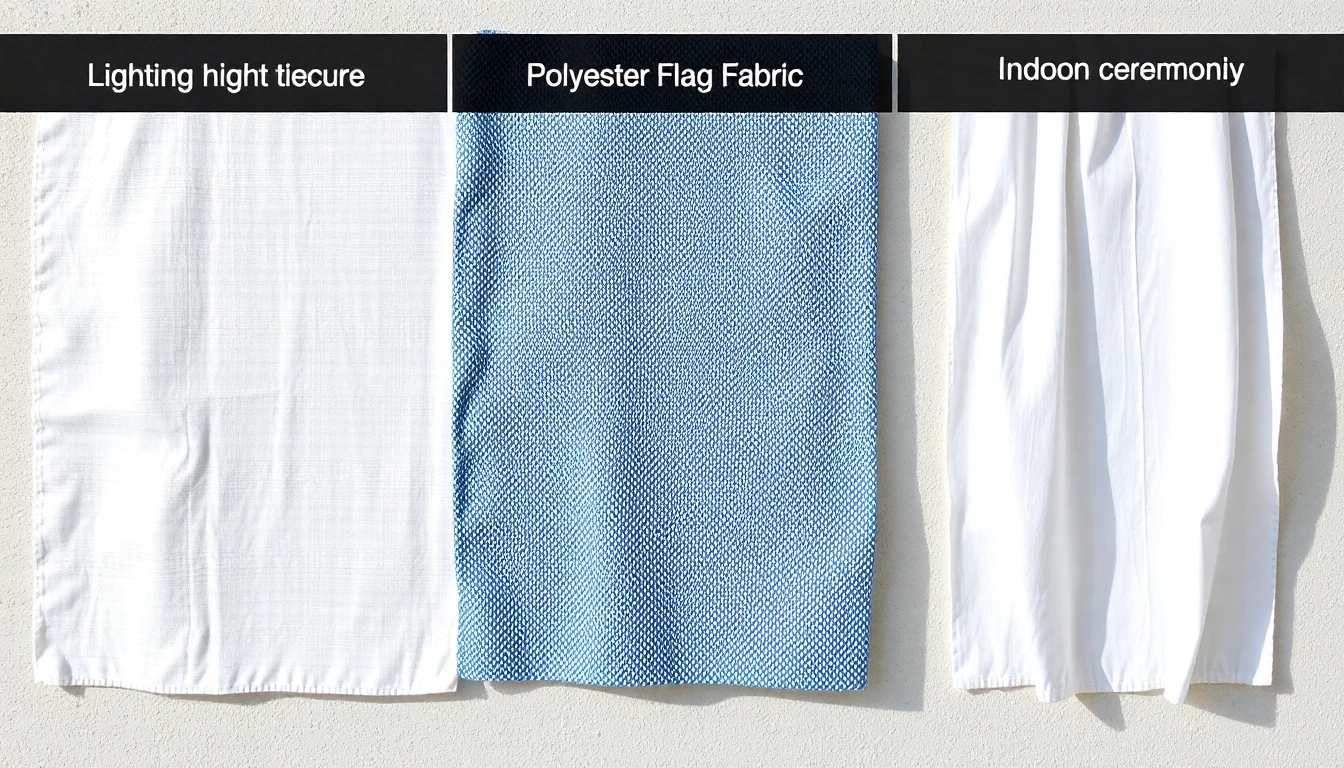
Picking the right national flag material is simple—match the fabric to where and how you'll fly it. Nylon works great in light to moderate winds. It resists fading better than other options. That's why it's popular for home flagpoles. Polyester handles tough coastal storms and heavy commercial use. You need flag durability? Polyester won't let you down. Cotton is the classic choice for indoor flags. It stays protected from harsh weather.
Your material choice today affects how long your flag lasts. You might replace it in six months. Or it could last six years. Think about your local climate. How exposed is your flagpole? How much upkeep can you handle? A nylon flag in Arizona faces sun damage. A polyester flag in Maine battles wind and salt air. Your location matters more than any "best" material.
Ready to buy? Check out our full collection of weather-resistant flags in all three materials at runcustomflag.com. You'll find detailed specs for each option. Our flag experts know these fabrics well. They can help you choose. Your perfect flag is waiting—and now you know which material fits your needs.