Last year, a U.S. event company lost $47,000 on a single flag order from China. What went wrong? They didn't check if their supplier understood international flag rules. 5,000 custom flags showed up with inverted colors. These flags broke diplomatic protocol.
Sourcing flags from overseas suppliers? You face real risks. Mistakes can destroy your budget, blow your timeline, and damage your reputation.
Trademark violations get your shipment seized at customs. Poor material specs mean flags fall apart after one rainstorm. The top 6 mistakes importers make when buying national flags from overseas all share one thing: you can prevent them with the right knowledge.
This guide shows you each major error. You'll see real consequences and clear solutions. We cover flag quality control standards and hidden logistics costs. First-time importers get blindsided by these expenses.
Ordering 100 flags? Or 100,000? These insights save you thousands in avoided errors. You'll become the informed buyer who gets premium quality at fair prices.
Ignoring Trademark and Country Name IP Violations
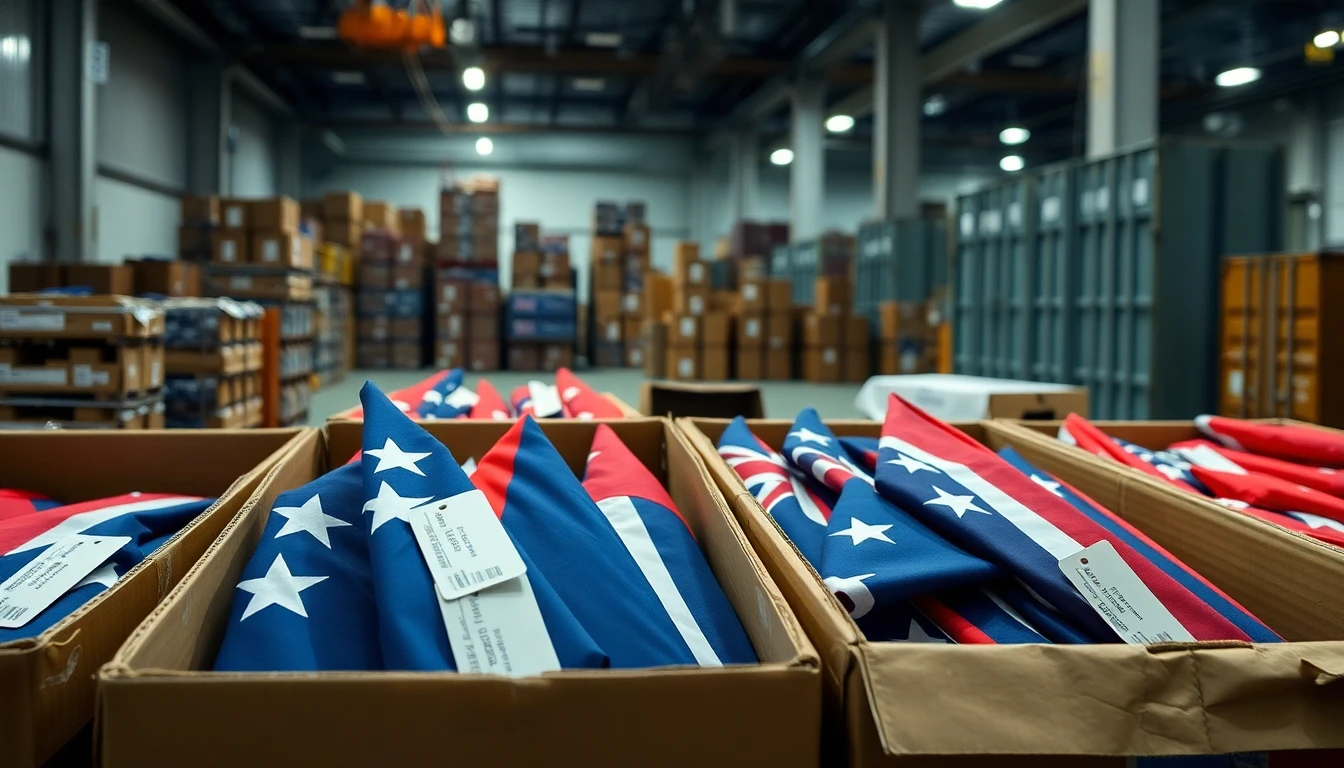
A European retailer of national flags ordered 3,000 promotional flags with modified stars from the U.S. flag design. Customs seized the entire shipment at Hamburg port. The retailer paid $22,000 in storage fees. Lawyers fought the case. They lost. The flags got destroyed.
Most importers think decorative flag use avoids trademark law. Wrong. Flag color accuracy specifications matter for legal reasons, not just looks. The Paris Convention Article 6ter blocks registration of any flag, state emblem, or official symbol across 130+ WIPO member countries. You can't use these symbols if they create confusion with official state marks.
Visual similarity over 80% gets rejected right away. The WIPO Article 6ter database lists over 1,000 protected emblems and flags. Each year, the USPTO alone blocks 50+ applications that misuse U.S. stars and stripes. China's dragon emblem and the EU's circle of stars get the same protection.
Real Legal Exposure Importers Face
U.S. courts handled 11,941 trademark violation lawsuits in 2020 alone. The Trademark Trial and Appeal Board made 8,512 decisions in 2023. Cross-border violation cases jumped 20% since 2019.
Damages hit hard. The highest award in 2023 reached $190 million in a single trademark case. Smaller violations cost businesses $43-47 million in recent Supreme Court cases. Customs seizures linked to emblem violations add up to $500 billion in global losses each year.
11,941
Lawsuits in 2020
$190M
Highest 2023 Award
$500B
Global Annual Losses
+20%
Cross-Border Cases Rise
Your "Made for Export" defense won't work. U.S. courts ruled OEM makers face liability if their marks cause local confusion. Twenty-five percent of trademark domain cases now involve export products.
The Verification Process That Protects You
Check three databases before placing any custom flag order:
1
WIPO Article 6ter Express Database
Search this free tool first. It covers state symbols from 50+ countries. Takes 10 minutes.
2
National Trademark Offices
Use USPTO's TESS system for U.S. flag elements. Check EUIPO's TMview for European symbols. Each search runs free.
3
Government Pre-Approval
High-risk designs need consent from the source country. Submit requests to agencies like the U.S. State Department. Expect 4-6 week wait times.
Flags, coats of arms (like the UK lion or French fleur-de-lis), and Olympic rings all need prior consent. No exceptions exist for "decorative purposes" if your use looks commercial.
What Your Supplier Won't Tell You
Many overseas makers claim descriptive use exempts them. The Trademark Trial and Appeal Board's 8,512 annual decisions prove otherwise. Products marked "USA-themed" still get blocked if they show over 50% visual similarity to official flags.
Your supplier might promise they've exported similar designs before. That history means nothing. Opposition filings increased 3% between 2021-2022. Enforcement keeps getting tighter.
Flag supplier verification process must include IP clearance paperwork. Ask your maker for written proof they've searched the WIPO database. Request copies of any government approvals. If they hesitate, walk away.
Smart importers build a 2-week IP review buffer into their flag production lead time . This window lets you check symbols, request approvals, and change designs before production starts. Skipping this step to save two weeks can cost you $50,000 in seized inventory and legal fees.
Run your design through all three verification steps. Document every search. Keep approval letters from government agencies. These records protect you if customs questions your shipment.
Wrong Procurement Classification and Tendering

Last quarter, your procurement team split national flags into three categories. "Promotional Materials" got 35% of orders. "Marketing Supplies" took 40%. "Event Accessories" got the rest. This split cost you 18% more than needed.
Wrong classification hides what you spend. You can't see your real flag buying volume. Suppliers quote different prices across categories. You lose bulk discount power. Worse? This opens doors for fraud.
How Classification Errors Raise Your Costs
Check your invoice descriptions. One supplier bills "polyester banner 3x5ft" at $4.20 per unit. Another charges $5.80 for "outdoor flag medium size." Same product. Different codes. Your system sees them as separate items.
Different units add more confusion. Some invoices show "pcs." Others use "ea." or "units." Your spend analysis software counts these as different products. You approved duplicate purchase orders for the same flags.
The EU public procurement database shows a pattern. Countries using mixed classification thresholds have 33% missing data points. Failed tenders don't get logged right. Contract changes look like new purchases. Your financial reports lose value.
The Single-Bidder Trap in Flag Procurement
Biased tendering happens fast. Your procurement officer writes specs that one national flags' manufacturer can meet. "Must have ISO certification for synthetic fabric dying, minimum 15 years experience with diplomatic flag production, factory location within 50km of major port."
Three requirements. One supplier fits. Coincidence? No.
This single-tender setup skips competitive bidding rules. You pay 22-35% above market rates. The national flag supplier verification process never happens because "one vendor qualified."
Red flags that show rigged specifications:
Fewer than 3 bidders responding – Good flag tenders attract 5-8 qualified suppliers. Two or fewer means rigged requirements.
Contract changes over 25% of original value – Your $50,000 flag order grows to $67,000 through "needed modifications." These changes should've been in the original tender.
Award value differs 30%+ from final contract amount – You approved $15,000. The final invoice hits $21,500. Supplier added "essential weather-coating" and "upgraded stitching" after award.
Competitive bids under 50% of total procurement – Half your flag purchases skip proper tendering. Direct awards and contract extensions eat your spend.
Data Corruption That Hides Overpayment
Your accounts payable system shows flags bought from "National Flag Co." and "Natl Flag Company" and "NFC Suppliers." Same vendor. Three database entries. Each with different payment terms.
One account gets 2% discount for fast payment. Another doesn't. You paid $840 extra on a $42,000 order because your system didn't link these duplicate records.
Invoice fraud uses these gaps. Watch for payment patterns that jump fast. June shows 1 flag invoice. July has 50. Each invoice sits below your $500 approval limit. Nobody questions 50 small purchases. One bulk order for $25,000 gets reviewed.
Your pricing data shows the problem. Most flags cost $4-6 per unit. Then you see a group at $18-22. Those high prices? VAT-included prices coded in net price fields. Your buyer approved high quotes because the classification error hid the real cost.
Fixing Classification Before Your Next Order
Start with vendor master data cleanup. Merge duplicate supplier records. Make product codes standard across all flag purchases. Create one category: "National Flags - Bulk Orders."
Set clear limits for competitive bidding. Flag orders above $10,000 need minimum 4 qualified bidders. Below that limit, use approved supplier lists with set rates locked in your contract system.
Build bulk flag order management controls that catch odd patterns:
Flag invoice quantities that spike 300%+ month-over-month
Multiple invoices from same supplier on same day, each under approval limits
Bid evaluations where winner scores at minimum qualifying limit
Contract extensions that avoid re-tendering by staying under value caps
Track every failed tender with a data point in your system. Record why suppliers didn't bid. Document evaluation scores for all participants. This audit trail stops the "we got one qualified response" excuse.
Your flag quality control standards mean nothing if procurement classification lets fraud slip through. Clean data catches overpayment. Proper tendering gets you competitive prices. Both protect your budget better than any supplier contract.
Neglecting Origin Certification and HS Code Errors
Customs just flagged your $100,000 flag shipment. The officer's screen shows your declared value at $100K. Their system benchmark? $180K for similar polyester flags. You're now facing a $20,000 duty adjustment plus a $40,000 penalty. Double the unpaid duties. Your paperwork says "Made in Vietnam." But your Certificate of Origin lists a Chinese manufacturer as the exporter.
This happens because importers treat HS codes and origin certificates like afterthoughts. They're not. U.S. Customs and Border Protection ran 71 audits in March 2025 alone. Those audits recovered $310 million in unpaid duties. That's a 10,000% increase per month. CBP is on track to collect $134 million each year through these recovery programs.
The HS Code Trap That Costs You 25% Extra
National flags fall under HS code 6307.90. This category covers finished textile articles not listed elsewhere. Sounds simple. It's not.
Many suppliers quote prices using code 6302. That series covers woven fabrics and bed linens. Same polyester material. But the classification differs. The difference? Your tariff rate jumps from 7% to 25% if customs reclassifies your shipment.
HS 6307.90 (Correct)
7%
Standard Tariff Rate
Reclassified to 6302
25%
Section 301 Tariff (China)
Microfiber flags create the worst confusion. Is it synthetic textile (6307.90) or woven fabric (6302.93)? Vague specs from your supplier trigger automatic reclassification at the port. The HS system updates every five years. The last revision hit in 2022. Importers still using pre-2022 codes? They get immediate entry rejections.
One California event company learned this the hard way. They ordered 8,000 flags coded as 6302.93. Customs reclassified them to 6307.90. The Section 301 tariff rate for Chinese goods under that code? 25%. The company paid $14,000 in unexpected duties. Their shipment sat in port storage for three weeks. Storage fees added another $2,800.
Certificate of Origin Failures That Trigger Federal Liability
Chinese flags became high-risk products after 2018. Section 301 tariffs hit them with 25% duties. Some importers tried to dodge this by claiming false origins. Bad move. The False Claims Act applies to customs declarations. Penalties go beyond money.
CBP verification data shows the scale of this problem. Between 2010-2011, customs reviewed 426 Form A certificates. They couldn't verify 96 of them. Ninety-three suppliers never responded to verification requests. Another review of 404 certificates found 71 failures. That's a 23% failure rate on origin documentation.
International flag regulations require your Certificate of Origin to match your commercial invoice. Every detail. Three things must align:
HS code consistency - Your CO and invoice must show the same classification codes. Different codes? Automatic rejection.
Supplier information - The exporter name on your CO must match your invoice supplier. Middle-man traders often create mismatches here.
Product descriptions - "Polyester flags 3x5ft" on the invoice needs the same wording on the CO. Generic descriptions like "textile goods" kill the certificate.
What Low-Value Declarations Cost
Customs officers see pricing patterns across thousands of shipments. They know market benchmarks for every product category. Your declared value sitting 20% below those benchmarks? That's an automatic audit trigger.
A Texas retailer declared 5,000 flags at $2.50 per unit. Market benchmark for that spec? $3.80 per unit. Customs revalued the $12,500 shipment to $19,000. At a 25% duty rate, the shortfall was $1,625. The penalty? Double the unpaid duties. The retailer paid $3,250 extra, plus legal fees to contest the reclassification.
Repeated undervaluation errors bring full chain audits. CBP reviews your past three years of imports. They examine every invoice. Every supplier. Every product line. One importer faced seizure of four shipments while the audit ran for eight months.
The Pre-Ruling Process That Prevents These Disasters
CBP offers binding rulings on product classification before you place orders. The eRulings portal handles submissions at zero cost. You need five items for your application:
Product samples or high-res photos showing construction details. Clear images of stitching, fabric weave, and finishing.
Complete material specs. List fiber content percentages, fabric weight per square meter, and coating treatments.
Manufacturing process docs. Explain cutting, sewing, printing, and finishing steps your supplier uses.
Your proposed HS code with reasoning. Show why you believe 6307.90 applies to your specific flag construction.
Proof of your supplier's production capacity. Include factory certifications and past export records.
CBP reviews most rulings within 30-90 days. The decision stays valid until tariff laws change. This ruling protects you during bulk flag order management . Your classification gets locked in before production starts.
Building Your Error-Prevention System
Schedule HS code audits each year for all textile imports. Focus on the 6307.90 versus 6302 series distinction. Train your procurement team on these differences. Five-year update cycles mean you need fresh training after each HS revision.
Verify every Certificate of Origin against three documents. Check it against your commercial invoice, packing list, and supplier's business registration. Exporter details must show 100% consistency. Origin percentages need proof from your supplier's material sourcing records.
Monitor the Section 301 product list each month. Flag shipping and logistics costs change as tariff classifications shift. Chinese-origin flags under certain codes face 25% duties. Vietnam, Bangladesh, and Pakistan flags might qualify for better rates under trade agreements.
Set your declared values at 80% or higher of customs benchmarks. Research comparable import data through Panjiva or ImportGenius. These services show what other importers paid for similar flag specs. Price your declarations in the safe zone.
Wrong HS codes and bad origin certificates create liability under 19 USC 1592. You face back duties plus penalties. Serious violations? They trigger criminal referrals. Your flag supplier verification process must include customs compliance docs before you sign any purchase order.
Overlooking Quality and Material Standards
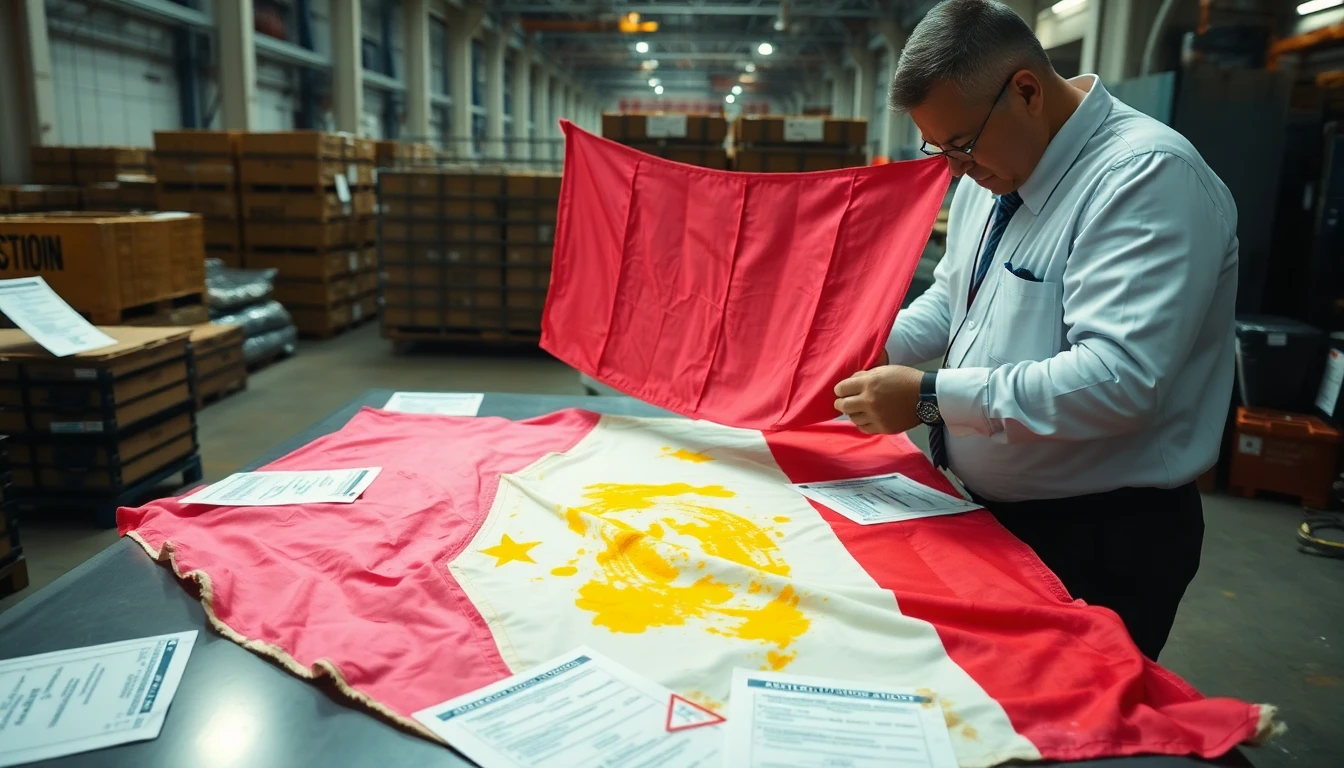
Your supplier sends photos of vibrant red, white, and blue fabric samples. Sharp colors. Clean stitching. You approve production on 10,000 flags. Three months later, those flags arrive faded. The red looks pink. White sections show yellow stains. Rain turns them into soggy rags after one outdoor event.
Material specs determine flag lifespan - six months or six years. Flag material durability isn't about picking "good" fabric. It's about defining exact standards your supplier must hit. Most importers skip this step. They pay for it later.
The Real Cost of Vague Material Specs
A Florida distributor ordered 15,000 outdoor flags for a memorial day promotion. Their purchase order said "weather-resistant polyester." No denier count. No UV rating. No color fastness grade. The supplier shipped 68D polyester with basic screen printing. Industry standard for outdoor flag weather resistance ? Minimum 200D polyester with solution-dyed fabric and UV-resistant coating.
Those flags lasted three weeks outdoors. Colors faded 40% in direct sunlight. Seams split during moderate wind. The distributor faced $89,000 in refunds and replacement costs. Their contract had no material testing clause. No recourse.
Flag quality control standards need five technical specs in every purchase order:
Material Testing Your Supplier Won't Volunteer
Third-party quality control dropped manufacturer reliance from 66% to 60% worldwide between 2021-2025. Smart importers shifted to independent lab testing. Your supplier's internal QC isn't enough.
Flag color accuracy specs require spectrophotometer testing. This device measures exact color values in LAB coordinates. What's an acceptable variance? Delta E less than 2.0 between your approved sample and production batch. Delta E above 3.0? Human eyes spot the color difference right away.
Request pre-production testing for these parameters:
Breaking Strength
ASTM D5034 tests fabric tear resistance. Outdoor flags need minimum 200N warp strength and 180N weft strength. Lower values mean wind damage within months.
Colorfastness to Washing
ISO 105-C06 standard. Flags must maintain Grade 4 after five wash cycles at 40°C. Event flags get washed often. Poor dye bonding ruins them fast.
Water Repellency
AATCC 22 spray test rates water resistance 0-100. Outdoor flags need 80+ rating. Below 70? Water soaks the fabric. It stays wet for hours. Mold and mildew follow.
Seam Slippage
ASTM D434 measures how stitches pull apart under stress. Maximum 2mm slippage at 135N force. Higher slippage? Your flags develop gaps at seams during use.
$1,200
3rd-Party Testing Cost
vs
$50,000+
Rejected Inventory Risk
Production Batch Variation Nobody Warns You About
Your approved sample looks perfect. Production batch arrives different. Why? Custom flag printing techniques vary between sample runs and mass production.
Sample makers use premium materials to win orders. Production teams switch to cheaper options to boost margins. A UK importer approved flags printed with pigment inks. Production used reactive dyes instead. The color shift was 15% more saturated. Flags didn't match the client's brand guidelines. Entire order got rejected.
Set penalty clauses for material substitutions. Your contract needs specific language: "Any change from approved material specs requires written approval. Unauthorized substitutions trigger 25% price reduction plus free remake of entire order."
Build quality checkpoints into your flag production lead time . Don't wait for finished goods inspection. Test materials at three stages:
Pre-production approval - Test fabric, thread, and ink samples before cutting begins. Confirm specs match your purchase order. This catches problems before you've invested in full production.
In-process inspection - Check 5% of flags at 30% production completion. Measure color accuracy, stitch quality, and finishing details. Defects found here? You can correct the remaining 70% before shipping.
Final random inspection - AQL 2.5 sampling from finished inventory. This industry standard checks quality across the full batch. Pass rate below 95%? Reject the shipment.
The Material Documentation That Protects Your Investment
Your supplier claims their polyester is "high-grade marine quality." Meaningless without proof. Demand material certificates for every component.
Mill test reports - Fabric manufacturers issue MTRs showing fiber content, density, and test results. Your supplier should provide these with every order. No MTR? You're buying unknown materials.
Dye lot numbers - Track which dye batch colored your flags. Color consistency between orders depends on matching dye lots. Different lots create visible color variations. Record these numbers for reorders.
Chemical compliance certificates - REACH, RoHS, and California Prop 65 restrict harmful substances. European customers won't accept flags without REACH compliance. U.S. buyers need Prop 65 certification for polyester containing certain flame retardants.
Wash and care instructions - Proper maintenance extends flag life 200%. Your supplier should provide care labels meeting ASTM D5489 standards. These labels list correct washing temperature, drying method, and ironing settings.
Material quality determines customer satisfaction more than price or delivery speed. Vague specs invite substitution. Detailed standards protect your investment. The $1,200 you spend on third-party testing saves $50,000 in rejected inventory. Every time.
Poor Supplier Vetting and Communication Barriers

Twenty percent of your national flag suppliers create eighty percent of your headaches. That's not a guess. Chain data proves it. The Pareto principle hits flag importers hard. You think you're spreading risk across multiple manufacturers. Reality? A handful of bad actors drain your resources. Good suppliers carry the load.
Your inbox shows the pattern. Endless email chains with Supplier A about color mismatches. Calls with Supplier B chasing late shipments. Zero issues from Supplier C. Same products. Different experiences. The difference? You never vetted A and B before sending purchase orders.
The Performance Gap Your Spreadsheet Hides
Check your last shipment of 1,000 flags. Found 20 defective units? That's a 2% defect rate. Sounds acceptable until you scale up. Order 50,000 flags at that same rate. You're sitting on 1,000 unusable products. At $4 per flag, that's $4,000 in direct losses. Add rework costs. Add delayed deliveries. Add customer complaints. Your actual hit? $12,000-15,000 per order.
Flag supplier verification process needs hard metrics, not gut feelings. Build a 100-point scorecard. Track three categories:
40
Quality Performance
Points · Below 32 = Review
35
Delivery Reliability
Points · On-Time Rate
25
Cost Competitiveness
Points · Landed Cost
A Texas distributor scored their five flag suppliers using this system. Top performer hit 89 points. Worst? 43 points. The low scorer consumed 60% of the buyer's time fixing problems. They cut that supplier. Productivity jumped 40% right away.
Chain Vulnerability Math You're Ignoring
Supplier location determines half your risk exposure. Research using Analytic Hierarchy Process weights shows location accounts for 25.9% of chain complexity. Critical part dependency? That's 51.77% of your complexity score.
Your flag order needs special flagpole grommets from one Chinese factory. That single dependency creates a 0.22003 vulnerability weight. It's the highest risk factor in your chain. That grommet supplier fails? Your entire flag order stops. No backup source means complete production halt.
Number of chain nodes adds another 63.93% complexity weight. You're buying from a trading company in Guangzhou. They source fabric from Zhejiang. Grommets come from Dongguan. Printing happens in Shenzhen. Final work in Guangzhou. That's five nodes before your flags reach a ship. Each node adds delay risk. Each node adds quality variation.
Calculate this for your current supplier. Count every facility between raw materials and your warehouse. More than three nodes? You're playing chain roulette.
The Communication Barriers That Cost You Weeks
Your supplier confirms your order with "OK, no problem." Three weeks later, production hasn't started. You asked for PMS 200 Red. They printed generic red. The 12-hour time difference means each question takes two days to resolve.
Bulk flag order management falls apart without clear communication protocols. Set these standards with every new supplier:
Response time agreements - Maximum 24 hours for order questions. 48 hours for technical specs. 1 hour for urgent production issues. Put it in writing.
Visual confirmation requirements - Photos of materials before cutting. Images of printed samples before bulk production. Video of quality inspections before shipping. Email confirmations aren't enough.
Milestone reporting schedule - Updates at 25%, 50%, 75%, and 100% production completion. Not on request. Automatic reports on set dates.
Escalation paths - Direct phone numbers for factory managers, not just sales reps. WeChat or WhatsApp contacts for instant messages. Backup contacts for times the primary person is unavailable.
A California event company put these rules in place across six suppliers. Their average production dispute resolution time dropped from 8.3 days to 1.7 days. Missed deadlines fell 73%.
Red Flags During Initial Supplier Contact
Your first conversation reveals everything. Listen for danger signals:
Supplier claims they can "make anything you need" without asking for specs. Real manufacturers ask detailed questions. Fabric weight. Print method. Finishing requirements.
They promise the lowest price right away. No questions about order volume, delivery timeline, or quality standards. Professional suppliers need details before quoting exact prices.
Email responses arrive at odd hours with generic answers. This signals you're talking to a trading company middleman, not the actual factory. Middlemen add 15-30% markup. They create communication delays.
No request for your company background or intended use. Quality factories want to understand your market. They tailor recommendations. Are you selling to retail customers? Government contracts? Promotional events?
Building Your Risk Mitigation System
Monitor supplier financial stability every three months. Request business licenses, tax certificates, and export records. A factory that can't prove three years of consistent exports? High bankruptcy risk. One importer lost $84,000. Their Chinese supplier shut down mid-production. No financial vetting. No warning signs checked.
Put real-time tracking in place for critical KPIs. Modern platforms flag compliance issues on their own. Sanctions list additions. Factory safety violations. Certificate expirations. These alerts give you 30-60 days to find backup suppliers before problems hit your orders.
Flag production lead time consistency matters more than average speed. Supplier A delivers in 28-32 days every time. Supplier B ranges from 21-45 days. Go with A. Reliable planning beats occasional fast delivery. High lead time variability disrupts your entire inventory system.
Track SCAR rate - Supplier Corrective Action Requests. How often do you file formal complaints about quality failures? One request per year? That works. Requests every month? That supplier has persistent process problems they won't fix.
Your RMA (Return Merchandise Authorization) rate shows the final verdict. Calculate returned units divided by total units received. Industry standard for quality flags? Below 0.5%. Above 2%? Your supplier damages your reputation with every shipment.
Reduce your supplier count with a plan. Working with 12 flag manufacturers seems safe. It's chaos. Coordination costs eat your margins. Cut to 3-4 vetted suppliers. Consolidate volume. Gain negotiating power. Make quality control simple.
The Pareto Principle in Flag Sourcing
The 20% of suppliers causing 80% of problems? Identify them now. Score them. Cut them. Your stress level and profit margins will thank you.
Hidden Costs and Logistics Mistakes

$3,200
Quoted Freight
→
$4,800
True Landed Cost
+$1,600
Hidden Charges
Your freight forwarder quotes $3,200 to ship a container of flags from Shanghai to Los Angeles. You add that to your budget spreadsheet. Production costs plus shipping equals total landed cost, right? Not even close. The real number hits $4,800 by the time your flags reach your warehouse. That extra $1,600? Hidden logistics charges nobody mentioned upfront.
Flag shipping and logistics complexity doesn't come from ocean freight rates. Those numbers sit right there in your contract. The pain comes from extra fees buried in fine print. Detention charges hit you if your customs broker misses the free time window. Demurrage fees stack up at $150 per day while paperwork gets sorted. Terminal handling charges range $50-$200 per container. The exact amount depends on which port receives your shipment.
A Michigan retailer ordered 8,000 promotional flags for a Fourth of July campaign. Their supplier quoted $0.85 per flag. Shipping added $0.40 per unit. Budget looked solid at $10,000 total. Then reality hit. The container arrived during peak season. Port congestion delayed pickup by six days. Detention fees: $900. The forwarder added fuel surcharges mid-transit: $280. Last-mile delivery to their warehouse instead of port pickup: $340. Currency conversion fees on the wire transfer: $95. Final landed cost? $11,615. That's a 16% budget overrun from fees that never appeared in the original quote.
The Dimensional Weight Trap That Kills Your Margins
Ocean freight charges by container volume. Seems simple until you look at how flags get packed. Suppliers use oversized cartons with too much bubble wrap and foam fillers. Each flag box measures 24" × 18" × 12" but holds products that need only 18" × 12" × 8" space.
DIM weight pricing calculates shipping costs by volume, not weight. Airlines and freight companies use this formula: Length × Width × Height ÷ 166 (for international shipments). Oversized packaging bumps freight costs by 30% compared to right-sized boxes.
Check your last shipment's packing list. How much void fill did your supplier use? Polyester flags weigh almost nothing. A case of 50 flags might weigh 12 pounds. But packed in a 24" × 18" × 12" box? The dimensional weight calculates to 31 pounds. You're paying for 19 pounds of air.
Right-sizing packaging cuts shipping costs 10-20% right away. Specify exact box dimensions in your purchase order. Limit void fill to 10% of carton volume. Use vacuum packing for bulk flag quantities. These changes drop a $4,000 freight bill to $3,200-3,600 with zero impact on product protection.
Traffic Delays and Handling Costs Nobody Budgets For
U.S. trucking loses $50 billion each year to traffic congestion. Your flags sitting in that traffic jam cost $26,000 per truck in lost time according to transportation studies. Port bottlenecks in Long Beach and Los Angeles create 8-14 day delays during peak import seasons.
30%
Ocean Freight
Visible in your quote
70%
Hidden Costs
Handling, storage, delays
Ocean freight represents just 30% of your total bulk flag order management costs. The other 70%? Handling fees, storage charges, customs processing, and delay costs. Most importers budget for the 30% and get blindsided by everything else.
Your supplier loads flags on a vessel departing Shanghai on March 15th. Transit time: 14 days. You expect arrival March 29th. The ship sits offshore waiting for berth space until April 4th. Customs releases your container April 6th. Free time at the terminal expires April 8th. Your trucking company can't schedule pickup until April 11th. Three days of demurrage at $150 per day: $450 you never budgeted.
Port handling charges vary by location. West Coast terminals charge $75-$120 per container for THC (Terminal Handling Charges). East Coast ports run $100-$200. Gulf ports fall somewhere between. Your freight quote often excludes these. They appear as separate line items on the final invoice.
The Returns Processing Cost E-Commerce Sellers Ignore
Cross-border e-commerce returns hit 20-25% for apparel and textile products. Flags fall into that category when sold online. One in four flags you import might come back. Each return costs you 3-5 times more than domestic returns.
Look at the reverse logistics chain. Customer ships flag back to your U.S. warehouse: $8-12. Your team inspects, refolds, repackages the product: $4-6 in labor. Restocking into inventory: $2-3. That's $14-21 per returned flag before you even consider the refund amount. Order 10,000 flags at $3.50 each. Budget for 2,000 returns. Returns processing alone adds $28,000-$42,000 to your true landed cost.
Automate returns processing to cut these costs 15-30%. Bar-code scanning systems speed inspection. Pre-printed return labels reduce shipping charges. Clear return policies decrease pointless returns by 8-12%. Smart flag quality control standards on the front end prevent the return flood on the back end.
Budget Killers That Appear After Production
Peak season charges hit importers between August and October. Freight rates jump 40-60% as retailers stock up for holiday shopping. Your July quote of $3,800 per container becomes $5,400 in September. Same route. Same container size. Different month.
Vendor-controlled inbound shipping creates waste most importers miss. Your Chinese supplier arranges transport to the port. They use small shipments instead of full truckloads. Why? Their trucking company gives them kickbacks. This waste adds 12-18% to inland transportation costs. You pay for it through higher FOB prices.
One solution: Switch to EXW (Ex Works) pricing where you control all logistics from the factory gate. Consolidate multiple supplier shipments into full truckloads. An Illinois importer cut inland China transport costs 31% by moving from supplier-arranged shipping to self-managed consolidation.
Warehouse automation reduces handling costs 20-40% after your flags arrive. Automated sorting systems process inbound containers 3x faster than manual labor. RFID tracking cuts inventory errors from 8% to under 1%. Forecasting software prevents over-ordering that leads to dead stock. These investments pay back within 18-24 months for importers moving 50+ containers per year.
Track every extra expense across five shipments. Calculate the gap between quoted freight and total landed cost. Industry data shows 15-40% budget overruns from untracked fees. Your warning sign? Cumulative add-ons exceed 25% of base freight costs. That signals your logistics partner is hiding too many charges or your processes need serious fixes.
Build backup budgets at 20% above quoted freight for first-time routes. Drop to 12-15% once you have three clean shipments showing real cost patterns. Flag production lead time planning must include 5-7 buffer days for port congestion and customs delays. Rush fees to make up lost time can destroy your margins faster than any other single factor.
Procurement Best Practices Checklist

Build a system that stops mistakes before they cost you money. 40% of companies operate without clear procurement policies. This gap creates spending chaos and compliance failures that drain budgets fast.
Your flag supplier verification process needs documented steps, not random decisions. Start with six core controls that protect every order:
Building Your Supplier Selection Framework
Compare suppliers using weighted criteria, not just price. Assign points across five categories:
Small flag orders under $2,000? One quote works. Orders between $2,000-$10,000 need three competing bids. Above $10,000? Formal tender process with evaluation committee. Document every decision for audit trails.
Setting Performance Metrics That Drive Results
Track metrics beyond cost and delivery dates. Quality defect rates show production consistency. Order accuracy measures attention to detail. Compliance scores reveal regulatory risk.
Develop KPIs with suppliers together. Document targets in contracts and service level agreements. Share performance data each month through dashboards both parties access.
Your bulk flag order management system needs automated alerts. Flag suppliers at defect rates above 2%. Notify buyers at lead times 15% beyond baseline. Trigger reviews after three delivery delays in six months.
Creating Your Compliance Framework
Legal compliance protects you from shipment seizures and contract disputes. Verify supplier certifications match your product requirements. Check ISO 9001 for quality management. Confirm WRAP certification for social compliance in textile manufacturing.
Review contract terms every three months. Ensure payment schedules align with delivery milestones. Verify warranty periods cover reasonable use. Check jurisdiction clauses favor enforceable venues.
Plan for chain disruptions before they happen. Identify backup suppliers in different countries. Maintain inventory buffers equal to 30 days of average sales. Document escalation procedures for primary supplier failures.
Risk management includes price fluctuation controls. Lock material costs through fixed-price contracts for orders above $25,000. Build cost adjustment clauses tied to published commodity indexes for long-term agreements. Monitor currency exchange rates for foreign currency payments.
Implementing Ethics and Transparency Standards
Procurement policies must address conflicts of interest with clear rules. No employee can approve purchases from companies where they hold financial interest. Mandate disclosure of any ties to supplier personnel through close relationships.
Confidentiality rules protect competitive information. Bidding details stay private until award decisions get finalized. Supplier pricing doesn't get shared with competitors. Technical specifications remain under NDA.
Anti-bribery measures prevent corruption. No gifts above $50 value from suppliers. No paid trips or entertainment. All supplier-funded training requires executive approval. These rules protect your organization from False Claims Act liability.
Fair competition requirements ensure equal treatment. Share identical specifications with all bidders. Use consistent evaluation criteria. Award contracts based on documented scoring, not personal preferences.
Define escalation procedures for ethics violations. Who investigates complaints? What evidence gets collected? Which violations trigger supplier removal versus warnings?
Monitor compliance through internal audits every six months. Review 10% of purchase orders through random selection. Check approval workflows were followed. Verify three-way matching happened. Confirm documentation completeness. Report findings to senior management with corrective action plans.
Leveraging Technology for Procurement Excellence
40%
Faster Processing
65%
Fewer Errors
20-40%
Warehouse Cost Savings
Automation cuts processing time by 40% and reduces errors by 65%. Spend analysis tools show where your flag budget goes. They identify consolidation opportunities. Flag maverick spending. Spot pricing anomalies across suppliers.
Vendor management systems centralize supplier data. Store certifications, contracts, performance scores, and contact details in one database. Set automatic alerts 60 days before certificate expirations. Track insurance policy renewals. Monitor business license validity.
Workflow automation routes purchase requisitions to correct approvers based on dollar thresholds and product categories. No more lost emails or forgotten approvals. Digital audit trails document every decision without manual input.
Real-time dashboards give visibility into spending patterns, supplier performance, and contract renewal dates. Buyers can see which suppliers consume most budget. Identify which product categories run over forecast. Track flag production lead time trends across multiple vendors.
Digital certification management prevents compliance gaps. Upload supplier quality certificates, origin documents, and safety approvals. System flags expired credentials without manual checks. Buyers can't process orders from suppliers with missing certifications.
Integrating Sustainability Into Procurement
Include environmental criteria in supplier evaluation from day one. Request carbon footprint data for production and shipping. Ask about recycled content percentages in materials. Check water usage efficiency at manufacturing facilities.
Track sustainability metrics every three months. Calculate total CO2 emissions from your flag supply chain. Measure recycled polyester usage versus virgin material. Report waste diversion rates from supplier facilities.
Partner with eco-conscious vendors. Some flag manufacturers use solar power for production. Others recycle fabric scraps into secondary products. These partnerships reduce your company's environmental impact while meeting customer expectations.
Sustainable procurement delivers business benefits beyond compliance. B2B buyers now require supplier sustainability credentials. Government contracts mandate environmental standards. Retail customers favor brands with verified green supply chains.
Managing Supplier Relationships with Strategy
Create detailed service level agreements for every supplier relationship. Define expected response times for quotes (24 hours), order confirmations (48 hours), and urgent issues (4 hours). Specify quality standards: maximum 1.5% defect rate. Delivery expectations: 95% on-time shipment rate.
Build accountability through penalty clauses. Late deliveries trigger 5% price reductions. Quality failures below agreed standards require free replacements plus 10% discount on next order. These consequences make SLAs meaningful.
Communicate with suppliers beyond order transactions on a regular basis. Calls each month identify upcoming challenges. Business reviews every three months assess performance trends and discuss improvement opportunities. Planning sessions each year align on volume forecasts and capacity needs.
Negotiate volume discounts for consolidated spending. Commit to 100,000 flags each year? Expect 12-18% better pricing than one-time orders. Multi-year agreements bring 20-25% savings. Referral discounts reward suppliers who introduce you to reliable fabric mills or logistics partners.
Long-term partnerships beat switching suppliers all the time. Established relationships bring priority treatment during peak seasons. Better payment terms. First access to new manufacturing capabilities. Problem resolution happens faster with suppliers who value your ongoing business.
Assign evaluation committees for large procurement decisions. Three-person teams bring diverse perspectives. Include one technical expert who understands flag material durability requirements. Add a finance person focused on total cost analysis. Include an end-user who knows practical application needs.
Document every evaluation step for transparency. Record why certain suppliers advanced to final rounds. Explain scoring decisions. Save all communications and proposals. This documentation protects against bid protests and supports future audits.
Your procurement system determines whether flag imports generate profit or problems. Detailed policies prevent mistakes. Clear metrics drive performance. Technology automation eliminates manual errors. These practices transform procurement from cost center to competitive advantage.
Conclusion

Sourcing national flags from overseas doesn't have to lead to expensive mistakes. Ask the right questions upfront. Work with suppliers who know international compliance standards. This makes the difference between profit and disaster.
Quality control standards, supplier verification, and clear communication aren't extras. They're your insurance against product recalls, shipment delays, and budget blowouts. Every hour you spend on due diligence saves you weeks of cleanup later.
Use the procurement checklist we've outlined. Check your supplier's certifications. Ask for pre-production samples. Always review the contract. The cheapest quote often costs more once you add hidden fees and shipping complications.
Ready to source flags the smart way? Find verified manufacturers who handle bulk flag orders. They should know flag materials and international rules inside out. Pick a partner who treats quality as standard—not as an extra charge. This sets up your next import for success.
Don't learn these lessons the hard way. Download our Flag Importers' Due Diligence Template. Start your next order with confidence.