Finding the right custom flag maker shouldn't be this hard. Most B2B buyers hit the same problems on their first try: unreliable suppliers, poor quality, and blown budgets.
What separates a good partnership from a disaster? You need to know the right questions to ask. You need to spot warning signs early. And you need to understand which negotiation points matter.
Your choice of manufacturer affects everything. Product quality suffers or shines based on who you pick. Delivery times hold steady or fall apart. Your profit margins grow or shrink.
This matters whether you're ordering 500 flags for a company event or setting up ongoing orders for your retail store.
This guide covers the complete sourcing process. You'll learn how to find trustworthy custom flag printing services. We show you how to check production capabilities. You'll see how to negotiate order minimums that work for your budget. Plus, you get quality checkpoints that protect your money.
The framework here comes from what works. Top procurement pros use these steps to check suppliers. They avoid expensive mistakes. They build partnerships with makers who deliver real value - not just low prices.
Identifying Reliable Custom Flag Manufacturers
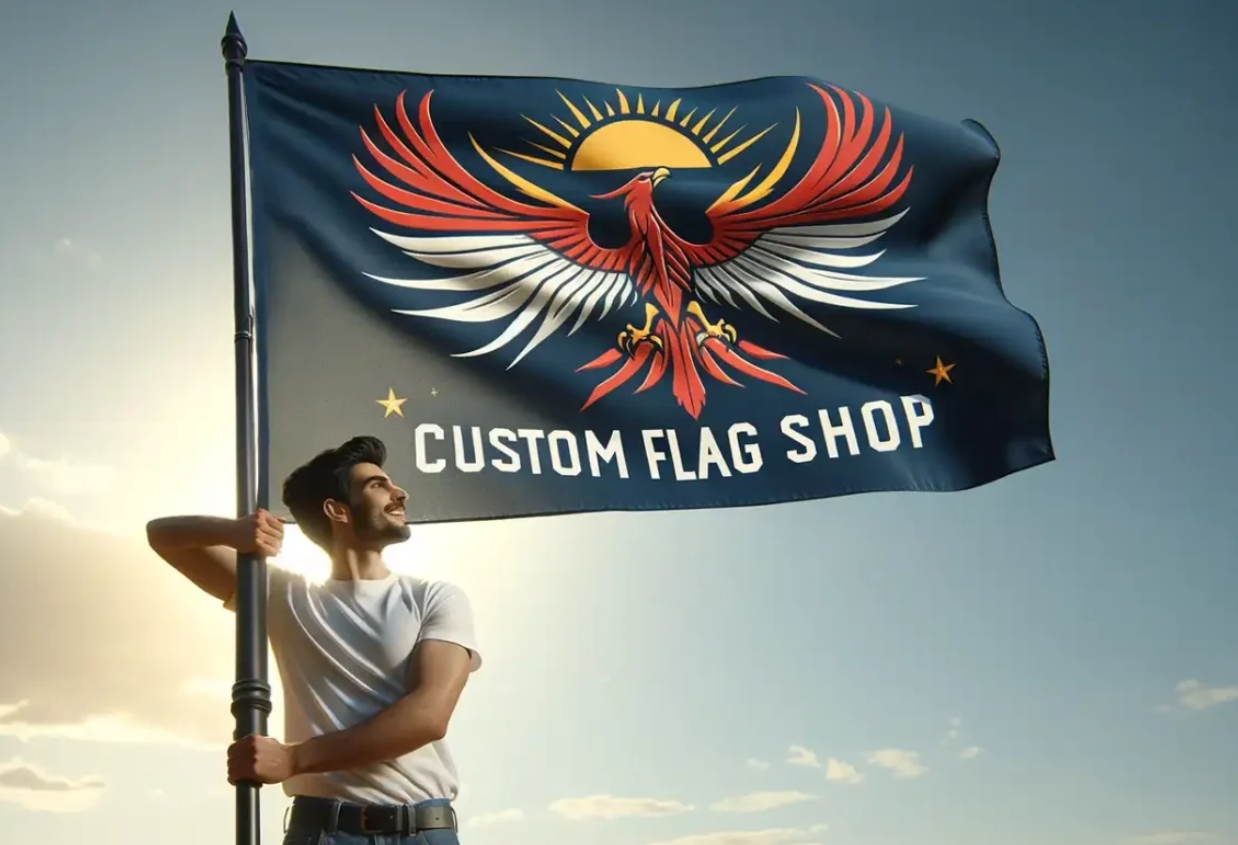
Check the certification label sewn into your flag's header. It tells you who made it. FMAA certification (Flag Manufacturers Association of America) means the maker meets strict standards. These companies use 100% domestic materials and labor. They pass regular audits. They back up their quality claims.
Federal law requires clear "Made in USA" labeling on American flags. No label? Vague wording? You're looking at imports. Material quality differs greatly between domestic and overseas production.
Material benchmarks separate reliable makers from budget suppliers:
Domestic makers use strong outdoor nylon or 2-ply polyester. These fabrics resist wind, sun, and rain. You get real canvas headers and heavy-duty grommets. Import flags use thinner polyester that wears out fast.
FMAA-certified construction meets specific standards. Four rows of lock-stitched seams. Double-folded ends. Box-reinforced corners. UV-resistant dyes that keep rich red and blue colors from fading.
Your 9-point verification checklist:
FMAA-certified label present
Explicit "Made in USA" statement (not just "designed")
Material specification: nylon or 2-ply polyester
Double-fold end construction
Four rows of lock-stitching
Box-stitch corner reinforcement
Canvas header with heavy grommets
UV-resistant dyes
Appropriate size for pole height
Proven makers like Fine Line Flag, Allegiance Flags, Flags Unlimited, and Gettysburg Flag Works maintain FMAA compliance. Many also hold ISO 9001 certifications. This shows they have solid quality management systems.
Check the physical label first. Confirm the FMAA seal. Look at fabric strength, dye depth, and seam quality. These three steps protect your investment.
Evaluating Manufacturer Production Capabilities
Production metrics show what sales pitches hide. A manufacturer's equipment effectiveness score tells you if they can handle your bulk flag orders or if you'll face delays and quality issues.
Start with Overall Equipment Effectiveness (OEE). This number combines three key factors: availability, performance, and quality. The formula is simple: Availability × Performance × Quality. A score of 85% or higher means world-class manufacturing. Anything below 60%? You're looking at a struggling operation that can't fill corporate flag orders reliably.
Ask every potential flag supplier for their OEE data. Good manufacturers track this each day. They hesitate or give vague answers? Red flag.
Throughput numbers show real capacity. Calculate it as units produced divided by time. A custom banner manufacturer claims they can produce 10,000 flags per week. Their actual throughput is 2,000 units per day across a 5-day week. The math checks out. Missing numbers mean missing capacity.
Get specific throughput data for products matching your flag production needs. Beach flags need different handling than pole-mounted corporate flags. Generic capacity numbers won't help you.
First Pass Yield (FPY) protects your timeline. This metric shows the percentage of products meeting quality standards without rework. Industry benchmarks for promotional flag suppliers sit around 92%. Lower scores mean delays. Your 5,000-unit order becomes 5,500 units to produce if 10% need rework.
Calculate the real impact: FPY drops to 85%. Production time increases by 15%. Your 3-week delivery stretches to almost 4 weeks.
Check capacity use before committing. The formula is simple: (Actual Output ÷ Maximum Capacity) × 100. A manufacturer running at 95% capacity can't absorb your large order without pushing other clients aside or cutting quality.
Sweet spot for international flag sourcing partners? 70-80% capacity use. They have room to handle your minimum order quantity plus unexpected demand spikes. They're busy enough to stay efficient but not so overloaded that your deadlines suffer.
Defect rates set your actual cost. A 3.5% defect rate sounds fine until you run the numbers. Order 10,000 custom flags at $8 each. 350 defective units cost you $2,800 in wasted product. Get manufacturers to share defect data across similar custom flag printing projects.
Cycle time measurements matter for repeat orders. Track average time between process completions. A flag fabric supplier needs 2 weeks for setup and production. Another completes the same job in 9 days. That gives you flexibility. Shorter cycle times mean faster response to market opportunities.
Ask for documented cycle times on orders matching your specs. Screen printing needs different timing than digital dye-sublimation. Don't accept generic estimates.
Production attainment shows reliability. Calculate it: (Actual production ÷ Scheduled production) × 100. Scores above 95% mean a manufacturer who meets commitments. Scores bouncing between 75% and 100% signal unreliable processes.
Review 6 months of production attainment data. Seasonal manufacturers might show acceptable averages while hiding problems.
Plant uptime reveals infrastructure quality. Formula: Plant run time ÷ Total available time to run. Subtract both scheduled maintenance and unexpected breakdowns from total time. Uptime below 85% means aging equipment or poor maintenance.
Get Mean Time Between Failures (MTBF) data. Equipment breaking down every 200 hours versus 2,000 hours has a huge impact on your order security.
Real manufacturers track these numbers each day. They use dashboards showing equipment downtime, idle time, run-time hours, and maintenance schedules. Ask to see their monitoring systems during facility tours.
No data tracking system? That manufacturer guesses at capacity and quality. Your orders become their learning experiment.
Smart buyers combine multiple metrics. High OEE with low capacity use? Perfect partner. High throughput with poor FPY? You'll get volume but questionable quality. Strong production attainment with weak uptime? Temporary success hiding problems.
Get 90-day performance reports covering OEE, FPY, defect rates, and production attainment. Trustworthy custom flag printing providers share this information without hesitation. They know data builds confidence.
Visit facilities unannounced if possible. Scheduled tours show prepared equipment and staged efficiency. Drop-in visits reveal actual standards.
Your production capability checklist needs these verified items: OEE above 80%, FPY over 90%, defect rate under 4%, capacity use between 70-85%, production attainment above 95%, and plant uptime over 85%.
Manufacturers meeting these benchmarks deliver quality at promised volumes on agreed schedules. Anything less puts your promotional campaigns and corporate branding at risk.
Why Runcustomflag stands out in production capabilities:
87%
OEE Score
94%
First Pass Yield
78%
Capacity Use
97%
Attainment Rate
We maintain 87% OEE across our facility with documented FPY of 94% on custom flag orders. Our capacity use runs at 78%. This gives us bandwidth for rush orders without compromising existing commitments. Our production attainment averages 97% over the past 18 months.
Our equipment uptime exceeds 90% through preventive maintenance scheduling. Real-time monitoring dashboards track every production metric. We share performance reports with established clients every three months.
This transparency separates reliable flag production partners from vendors making empty promises.
Assessing Design Support and Customization Services
Design capabilities decide if your custom flags match your brand vision or turn into expensive mistakes. What you imagine versus what shows up in the box? Your manufacturer's design support makes that difference.
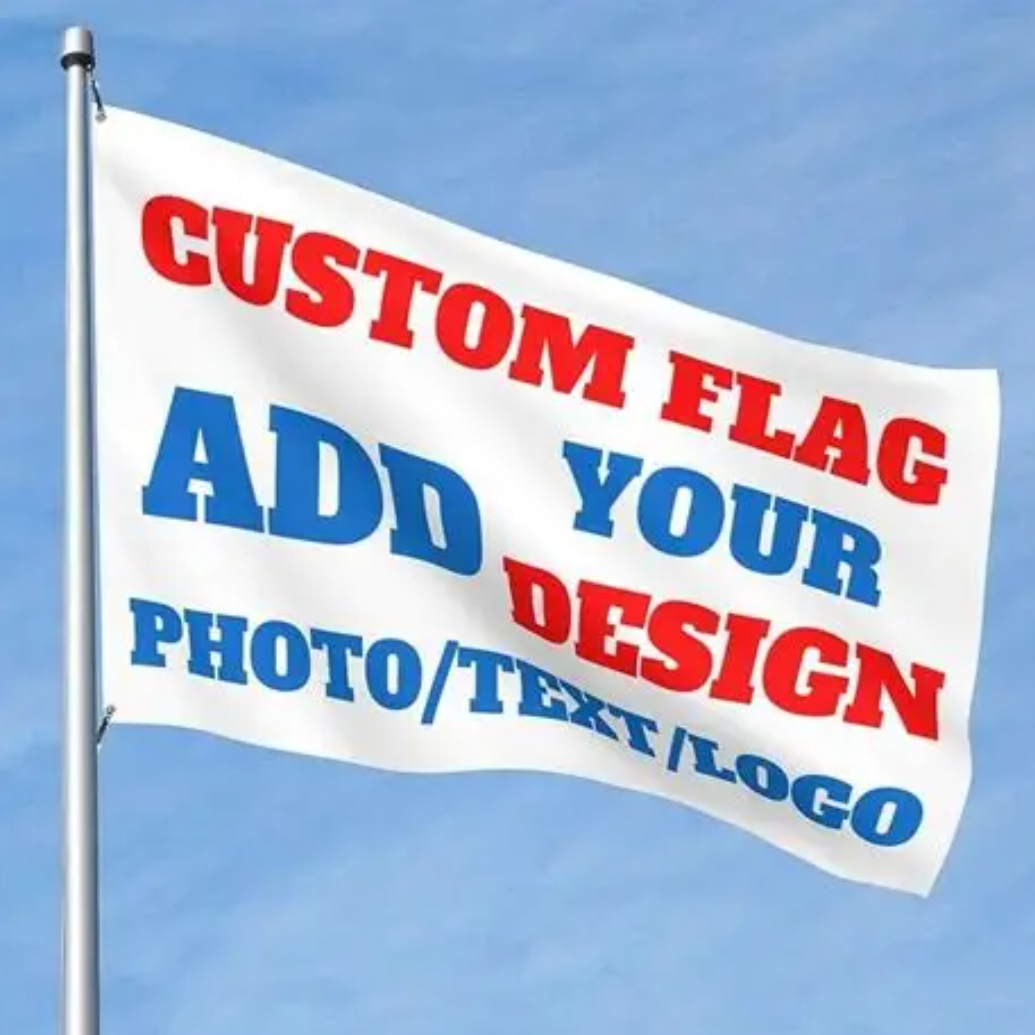
File format flexibility separates pros from basic print shops. Top-tier custom flag printing services accept AI, EPS, PDF, and high-resolution PNG files. They work with vector graphics that scale without losing quality. Budget suppliers? They handle JPEGs and low-res images only. Your crisp logo turns pixelated on a 6-foot flag.
Get a full list of accepted file formats before you start talks. Ask about minimum resolution needs. Professional flag fabric makers specify 300 DPI for detailed designs. Less than that? Blurry results at full flag size.
In-house design teams add real value beyond file conversion. Makers offering free design consultations help you avoid expensive mistakes. They understand how colors appear on different flag materials. They know which design elements work at various viewing distances. Problems get caught before production starts.
Runcustomflag provides dedicated design support for every corporate flag project. Our team reviews artwork files within 24 hours. We flag potential issues with color matching, text readability, or design scaling. This up-front work prevents later disappointments.
Pantone color matching systems protect brand consistency. Your company's specific blue shade matters. RGB values shift between screens and fabrics. PMS (Pantone Matching System) codes ensure your promotional flags match your brand guidelines precisely.
Ask manufacturers about their color matching process. Do they use spectrophotometers to verify dye batches? Can they provide color proof samples before full production? Basic suppliers eyeball colors and hope for close matches.
Digital mockups prevent expensive surprises. Professional custom banner makers create 3D renderings. You see how your design looks on actual flag shapes. You see fabric drape, pole attachment, and wind movement effects. This catches proportion issues before cutting fabric.
Standard mockup service should include multiple viewing angles. Top and bottom header placements change design impact. Horizontal versus vertical orientations affect text placement. Smart buyers request mockups showing flags in typical display settings.
Revision policies reveal manufacturer confidence. How many design rounds are included? What's the cost for extra changes? Companies limiting you to one free revision rush your decisions. Those offering 2-3 rounds of refinement get it. Great custom flag design needs collaboration.
Check revision turnaround times. Design tweaks taking 5-7 business days slow your project down. Best-in-class operations provide updated mockups within 48 hours.
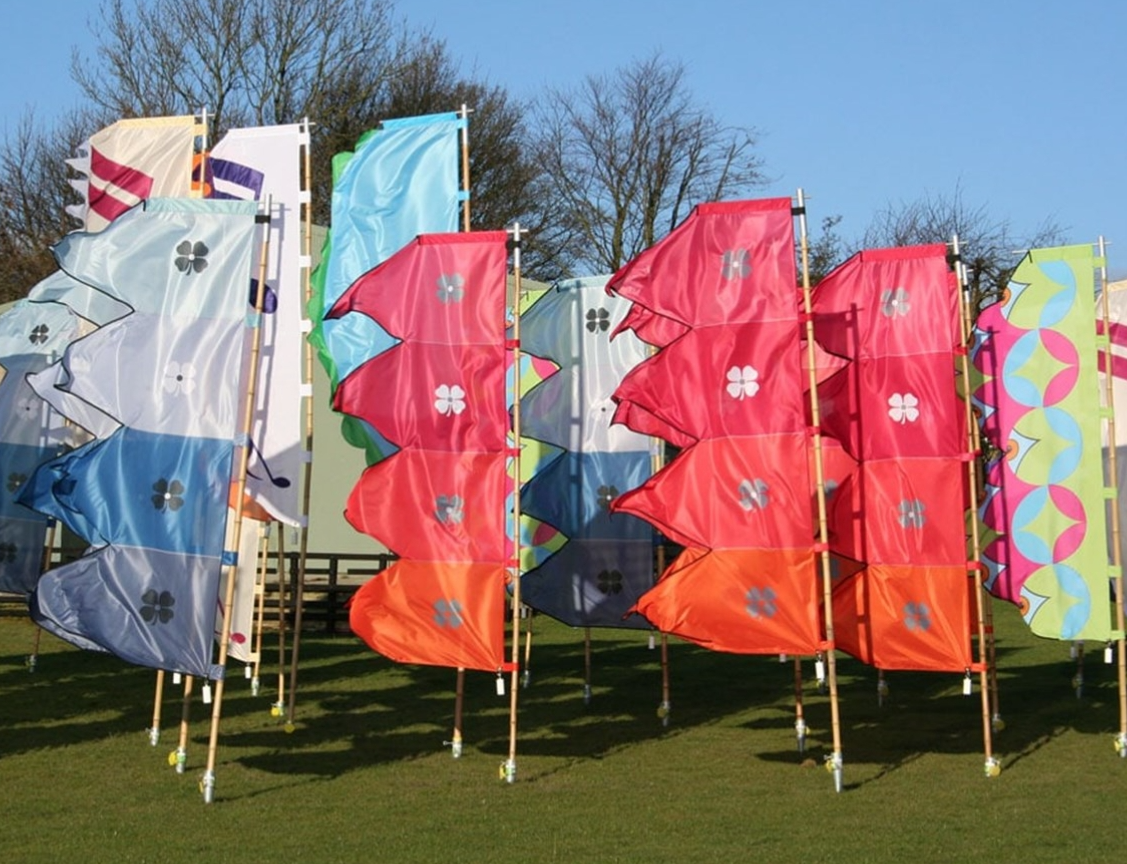
Template libraries speed up standard orders. Makers maintaining design templates for common flag types save you time and money. Event flags, feather banners, teardrop flags - each format has optimal design proportions. Templates guide proper text sizing, logo placement, and visual hierarchy.
Access to template files lets your internal team prepare artwork faster. You keep creative control while benefiting from proven layouts.
Bleed and safe zone guidance prevents cut-off designs. Professional suppliers provide detailed specs showing where to position critical elements. Text too close to edges gets trimmed during hemming. Logos placed in fold zones disappear once flags hang.
Get technical spec sheets before creating artwork. These documents show exact dimensions, safe zones, and bleed requirements for each flag style. Missing this info? Design compromises during production.
Fabric-specific design tips optimize results. Lightweight polyester shows colors one way. Heavy-duty nylon shows them another. Mesh fabrics need bolder designs than solid weaves. Experienced makers guide material selection based on your artwork complexity.
Single-sided versus double-sided printing affects design choices. Read-through from reverse sides changes color intensity. Makers should explain these tradeoffs during design consultations.
Prototype sampling validates design decisions. Before committing to bulk flag orders of 500+ units, smart buyers request single-unit prototypes. This $50-150 investment confirms that digital mockups translate well to physical products.
Quality makers include prototype options in their service packages. Seeing actual fabric, colors, and construction details builds buyer confidence. Suppliers resisting prototype requests? They're hiding production limits.
Custom shape capabilities expand creative options. Standard rectangles work for most applications. But unique flag shapes create memorable brand impressions. Can your manufacturer cut custom contours? Do they handle irregular edges without upcharges?
Die-cutting equipment and laser-cutting technology enable complex shapes. Makers limited to straight cuts can't deliver standout promotional flags for crowded events.
Embroidery and appliqué options add premium touches. Screen printing and dye-sublimation cover 90% of custom flag needs. But embroidered logos or sewn fabric appliqués elevate corporate flags to heirloom quality.
Ask about specialty decoration techniques. What's the minimum order quantity for embroidered elements? How do costs compare to printed alternatives? These options matter for executive gifts and permanent installations.
Smart design support reduces your internal workload. It improves final results. Makers investing in designer tools, color management systems, and client education deliver superior customization services. Those treating design as an afterthought create problems you'll pay to fix.
Verify design capabilities at the start of supplier talks. Request samples showing complex artwork, precise color matching, and challenging design elements. This preview shows if a manufacturer's design support matches your quality expectations.
Comparing Pricing Structures and Volume Discounts
Different pricing models create big cost differences on the same orders. A 120-unit flag order costs $960 under one structure, $1,160 under another. Same flags. Same supplier. The pricing formula makes a $200 difference.
All-units pricing discounts your entire order once you hit a threshold. Simple math: Total cost = Discounted unit price × Total quantity. Order 120 custom flags at $10 each with a 20% bulk discount? You pay 120 × $8 = $960. Every unit gets the discount rate.
This structure looks good at first. The catch? Manufacturers lose margin on every unit. They set higher thresholds or smaller discount percentages to compensate. You need volume to benefit.
Tiered volume pricing (step pricing) applies different rates to quantity ranges. Each tier has its own price point. Your first 50 flags cost $10 each. Units 51-100 drop to $9. Units 101-200 hit $8.
The same 120-unit order breaks down like this: (50 × $10) + (50 × $9) + (20 × $8) = $1,110. You pay $150 more than all-units pricing. Why? The first units keep full margins for the manufacturer.
Tiered pricing protects supplier profits. It also offers bulk incentives. This model works best for consistent quality. Manufacturers with healthy margins invest in better materials. They also maintain tighter quality control.
Threshold volume pricing discounts units beyond a cutoff point. Initial units stay at regular price. The formula: (threshold units × regular price) + (excess units × discounted price).
Order 120 flags at $10 each with a 100-unit threshold and 20% discount on overflow. First 100 units: 100 × $10 = $1,000. Next 20 units: 20 × $8 = $160. Total: $1,160.
This generates $200 more revenue than all-units pricing for the same order. Manufacturers prefer threshold models. Buyers get stable base pricing. Plus, smaller orders have predictable costs.
Package volume pricing bundles units at discounted rates. Remaining units use regular pricing. Formula: (complete packages × package price) + (leftover units × standard rate).
Example: $90 per 10-flag package, $10 per individual flag. Order 27 flags: (2 × $90) + (7 × $10) = $250. This beats individual pricing. It also pushes buyers toward full-package quantities.
We use tiered pricing at Runcustomflag for promotional flag orders. Our structure rewards growth. Small initial orders don't get penalized. Unit 1 costs $200. Units 2-4 drop to $170 each. Units 5-9 hit $160. Units 10-19 settle at $140. Orders of 20+ flags get $120 per unit.
Order 8 custom flags: Unit 1 = $200, Units 2-4 = $510, Units 5-8 = $640. Total: $1,350 versus $1,600 at full price. You save $410.
Compare structures before you commit to minimum order quantities. Calculate your actual cost at different volumes. A supplier offering 25% discounts at 101+ units might cost more than one with 15% discounts at 50 units. Your order size determines which works better.
Request detailed pricing grids. These show every tier break and discount threshold. Setup fees hide costs. So do artwork charges and shipping calculations. These can offset advertised volume savings.
💡 Pro Tip: Ready to compare pricing from a verified manufacturer?
Contact RunCustomFlag for transparent tiered pricing and volume discounts.
Analyzing Production Lead Times and Delivery Options

Production lead time decides if your campaign launches on time or misses the market window. The math is simple: Lead Time = Delivery Date – Order Date. You place a custom flag order March 1st and get it March 21st? That's a 20-day lead time. This single number hides key details that affect your planning.
Break lead time into measurable production stages. Total lead time has distinct phases: raw material prep, printing/production, quality control, and packaging. Track each stage on its own. A manufacturer might promise 15-day delivery. They spend 2 days on material prep, 8 days in actual production, 1 day on QC, 2 days on packaging, and 2 days on shipping coordination.
Ask potential suppliers for stage-by-stage timelines. Vague "2-3 week" estimates don't help you plan. You need solid numbers: "Material sourcing: 3 days. Screen setup: 1 day. Printing: 4 days. Hemming and grommets: 2 days. QC inspection: 1 day. Packaging: 1 day."
Process Capability Index (C_p) reveals delivery reliability. This metric shows if a manufacturer's promised lead times match reality. The formula: C_p = (Promised Lead Time - Lower Bound) / (6 × Standard Deviation).
Example: A supplier promises 30-day delivery. Their actual data shows mean delivery of 20.6 days. Standard deviation is 4.5 days. C_p = (30 - 0) / (6 × 4.5) = 1.11. Any C_p above 1.0 means reliable performance. Below 1.0? Expect delays.
Run the numbers on supplier claims. A manufacturer promises 15-day turnaround. Their standard deviation is 16.75 days. This creates problems. At a promised 15 days with high variability, you get 18,359 late deliveries per million orders. That's a 98.2% reliability rate. Push that promise to 44 days? Late deliveries drop to 0.1 per million.
Coefficient of Variability (CoV) measures consistency. Calculate it: Standard Deviation ÷ Average Lead Time. Lower numbers mean predictable delivery. A 9-day standard deviation on 70-day average lead time gives 0.129 CoV. That's excellent consistency. The same 9-day deviation on 10-day average? You get 0.900 CoV. That's highly unpredictable.
Smart buyers pick suppliers with CoV below 0.3 for standard products. Higher variability forces you to pad timelines. It also means you hold excess inventory.
Requesting and Evaluating Product Samples

Sample evaluation shows you which suppliers deliver and which ones disappoint. The numbers tell the story: response rates drop 90% if manufacturers take over one week to ship samples. Fast shipping means reliable partners.
Your sampling request needs to be clear. Send shortlisted suppliers a detailed brief. Include quantity specs, required features, color options, and exact sizing. Vague requests bring vague results. Clear briefs get you samples that match what you need.
Sample costs range from free to 5x the regular unit price. Most flag suppliers charge 2-3x standard rates for single samples. Some manufacturers give back sample fees after bulk orders. Others skip costs if you've worked together before. Always negotiate. First-time buyers ordering 500+ units have bargaining power.
Smart buyers use three stages for sampling:
1
Initial Shortlist Samples
Check basic quality from 4-5 suppliers: fabric weight, color accuracy, stitching, hardware
2
Development Samples
Test your artwork, Pantone colors, fabric options. Check flag drape, grommet strength, wind resistance
3
Pre-production Samples
Final spec confirmation before bulk orders. Verify header build, hem stitching, color match, sizing
Track sample quality with clear measures. Build a simple scoring system. Cover material quality (weight, strength, UV resistance), print quality (color match, sharpness, bleed), construction quality (stitching, reinforcement, hardware), and spec accuracy (size, features, packaging).
Focus groups show market appeal. Share samples with target users before ordering 1,000 units. Corporate clients check professional look. Event planners test setup ease and visibility. Retail buyers rate shelf appeal. Real feedback stops costly errors.
Gather more than just quality info. Does the flag fabric look good in photos for marketing? How does it handle different weather? What's the real lifespan with normal use? These answers guide buying choices and set customer expectations.
Handle samples quickly. Get them, test within 48 hours, and confirm receipt with your supplier. Give detailed feedback—good and bad. Ask for spec changes if needed. Good manufacturers ship revised samples within 5-7 business days.
Runcustomflag ships development samples within 72 hours of artwork approval. We refund sample costs on orders over 100 units. Our pre-production samples match final bulk production exactly—what you approve is what you get.
Record everything. Take photos of samples from different angles. Write down measurements. Mark any differences from specs. This builds accountability. Plus, it gives you reference points for checking bulk shipments.
Finalize your supplier choice after sample approval. Rushing this choice because of tight timelines creates bigger problems later. Better to delay your order one week than get 500 flags that fall short of your quality standards.
Understanding Warranty Terms and Quality Guarantees
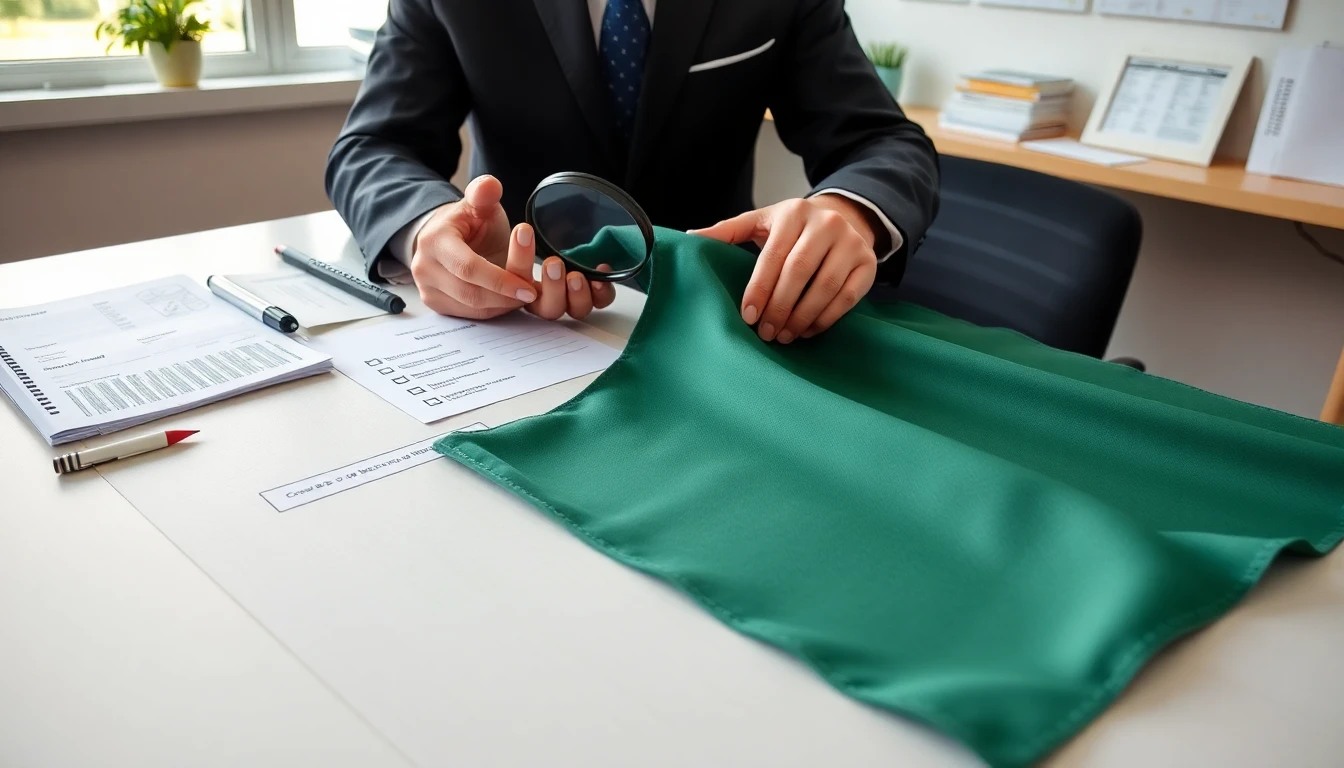
Quality guarantees protect your investment. Manufacturers sometimes fail to deliver. The flag industry uses warranty structures like car extended warranties. These warranties grew from $20.5B in 2023. They project to reach $240.78B by 2030 at 8.60% CAGR. This growth shows buyers want stronger protection against defective products.
Standard warranty coverage has three categories: material defects (fabric tears, early fading, seam failures), workmanship issues (poor stitching, weak grommets, header separation), and color fastness guarantees (UV resistance, washing durability). Professional custom flag makers offer 6-12 month warranties on outdoor flags. Indoor banners get 12-24 months.
Warranty repair times matter just as much as coverage scope. Average processing takes 12 days for replacement flags. Your promotional campaign can't wait that long. Push for guaranteed turnaround under 7 business days. Get it in writing.
Quality assurance systems drive 40.1% of warranty market share. Makers using Six Sigma methods (21.9% revenue share) track defect rates under 3.4 per million units. Ask suppliers for their defect per million opportunities (DPMO) scores. Numbers above 25,000 signal quality control problems.
We back every bulk order with our Quality Guarantee at Runcustomflag. You get flags meeting FMAA construction standards. Manufacturing defects? We replace them within 5 business days. Products fail during warranty? You receive prorated refunds. Our DPMO averages 8,200 across all custom flag production. That's well below industry standards.
Negotiating Terms with Custom Flag Suppliers
Price talks set your profit margins and partnership quality. Most buyers look at unit costs alone. Big mistake. Payment terms, shipping duties, and quality clauses matter just as much as the price per flag.
Seasonal timing gives you instant leverage. Order custom flags between December and February. You'll save 10-20% compared to peak spring demand. Manufacturers need winter orders to keep production lines running. Plan in fall for spring delivery. This gets you priority scheduling plus cost savings. Skip hurricane season. Replacement demand during storms strains supplier capacity.
Volume consolidation unlocks deeper discounts. Standard 11.5-foot single-sided flags (110gsm polyester) show clear pricing tiers:
| Quantity | Price/Unit | Discount |
|---|---|---|
| 1-9 units | $55-75 | Base price |
| 10-24 units | $45-60 | 10-20% off |
| 50-99 units | $30-45 | 35-45% off |
| 250+ units | $20-35 | 50-65% off |
Smart buyers combine annual needs into fewer, larger orders. This cuts per-unit shipping costs versus split shipments. Annual purchase agreements lock in pricing with volume commitments.
Material upgrades affect total costs. Premium 150gsm or 200gsm fabrics add $5-15 per flag. Double-sided flags cost 60-80% more than single-sided ones. Match quality to use: standard materials work for 6-month promotional campaigns. Premium specs suit permanent installations. Mixed orders combining both tiers optimize budgets.
Negotiation cycles take longer than you think. 69% of vendors expect 1-3 month timelines for annual agreements. Median time from draft to signature runs 42 days. 37% of suppliers report 2025 negotiations proving harder than 2024. Build extra time into your sourcing schedule.
Top procurement teams target 5-10% cost reductions through smart negotiations. Win-win approaches work best. Propose conditional trades: "We'll streamline ordering processes if you reduce pricing 3%." Research your supplier's business priorities before talks start. This reveals potential trade-offs beyond price cuts.
Preparation separates successful talks from weak outcomes. Do market research to set your anchor quote (starting offer) and extreme offer. Find the Zone of Possible Agreement where your price range overlaps with supplier capabilities. Split asks into "must-have" versus "nice-to-have" items.
Contract templates matter more than most buyers realize. 60% of enterprise contracts start on supplier's templates. This shifts negotiating power to the counterparty. 75% of organizations lack pre-approved fallback terms. They're forced into quick drafting during negotiations. AI-enabled contract tools now help 50% of organizations reduce cycle times by about 20%.
Runcustomflag offers transparent tiered pricing without hidden fees. Our annual agreements include locked pricing, priority production scheduling, and flexible delivery windows. We consolidate shipments to single locations at no extra charge. Multiple delivery points? We calculate costs upfront—no surprise fees at order completion.
💡 Pro Tip: For bulk orders over 100 pieces,
contact us for special pricing and priority production scheduling.
Setting Up Quality Control Checkpoints
Quality control checkpoints turn supplier promises into real results. Skip proper checks and you're betting on hope instead of facts. ISO 9001-certified factories have 32% fewer defects than others. This protects your brand and saves money.
Use the DMAIC framework for checkpoints. Six Sigma targets 3.4 defects per million - much better than typical rates. Start by setting clear quality goals. What counts as good process performance? What makes customers happy? Pick exact numbers, not fuzzy targets.
Next, measure key processes. Check defect rates at each production step. Watch first-pass yield - products that pass specs on the first try. Calculate Cp and Cpk to check if production stays consistent. These numbers spot trouble before it gets expensive.
Look at the data with stats methods. Find what causes defects using Pareto analysis. 80% of quality problems come from 20% of causes. Map out factors with fishbone diagrams. This keeps you from fixing surface issues while missing real problems.
Fix processes with specific actions. Update quality plans based on what you find. Use Statistical Process Control (SPC) to watch things in real-time. Control charts spot trends and shifts right away. Stopping problems beats fixing them later.
Track Cost of Quality (CoQ) in three areas: Prevention costs (SPC systems, training), checking costs (audits, inspections), and failure costs (rework, warranties). Good manufacturers put money into prevention first. Total CoQ drops while quality goes up.
Run internal audits four times a year. Record what you find with photos and measurements. Track problems by production area. Key point: make sure fixes work. 94% of companies with strong Quality Management Systems tie them to better customer satisfaction.
Companies with solid QMS get real wins: 9% more sales, 26% better profits, 92% on-time delivery versus 74% without systems. These aren't just ideas - they're advantages you can measure.
Why Choose Runcustomflag as Your Manufacturing Partner
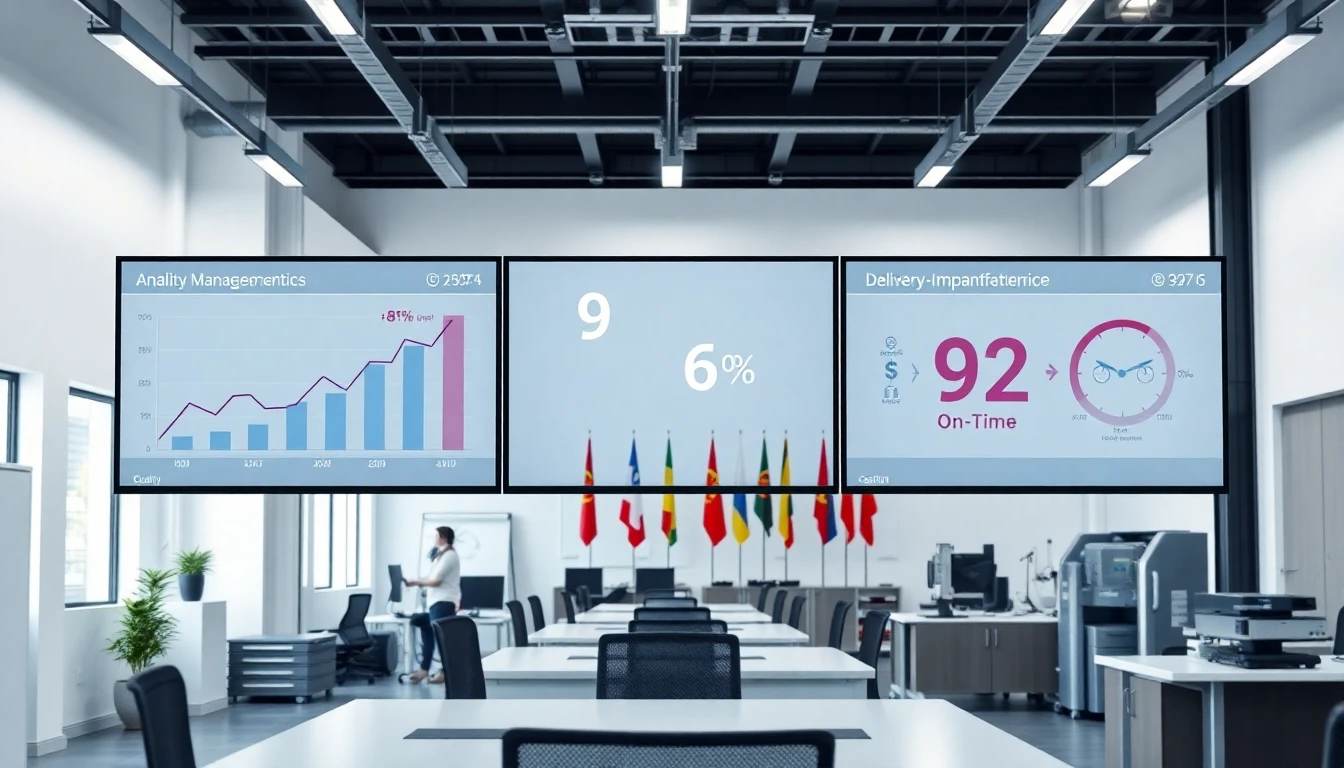
Runcustomflag delivers what corporate buyers need: speed, scale, and zero-defect execution on tight deadlines.
We handle rush demands others can't. Standard orders ship within 72 hours from approval. Need 500+ flags in 48 hours? Our systems are built for urgent corporate deployments. We keep 15% reserved rush capacity year-round. Peak season (May through August) reduces this buffer by about 60%. Advance planning keeps your projects on track.
Government contracts prove our quality standards. We completed a 5,000-unit national flag order. It met strict 2:3 ratio specs with ±2mm tolerance using 110g/㎡ polyester (±5g variance). The result? 100% pass rate. Zero rejections. Color precision hit ΔE<0.8 across the entire run.
Triple-layer inspection protects your brand. Every flag passes through in-line printing checks during production. We pull 10% of finished units for detailed post-production sampling. Precision calipers ensure accuracy. Government contracts get 100% final audit coverage. Our X-Rite spectrophotometers get calibrated every day. This maintains color accuracy within ΔE<2.0 tolerance—invisible to human eyes.
Trade shows test our execution. We delivered 500 custom booth flags to 50+ exhibitors in 48 hours. That's an average of 10 flags per exhibitor with individual Pantone matching. Test samples run before full production on every order. This catches potential issues before they reach paying customers.
Large promotional events show our equipment capacity. We deployed dual production lines for beach flag projects exceeding 200 units. These mixed 3-meter teardrop and 2.5-meter feather styles. Each flag carried 15 sponsor logos rendered at 1440dpi sublimation quality. Complex projects don't slow us down.
Our material specs match real-world conditions. 115g knitted polyester uses UV-stabilizer chemistry tested to 2,000+ hours sunlight exposure per ASTM G155 standards. These flags handle outdoor elements without early fading or fabric breakdown.
Smart logistics planning stops last-minute scrambles. Regional warehouses across East, Central, and West Coast locations enable smart positioning. Bulk shipments arrive 5 days pre-launch. Final-mile delivery completes within 1-2 days. We clear Certificate of Origin and import permits 2 weeks ahead of deadlines. Bureaucracy never delays your events.
Variable printing technology cuts costs on semi-custom runs. Pre-print 5,000 base flags. Then add digital variable data (store IDs, location codes, sequential numbering). This hybrid approach reduces production time by 40% compared to custom manufacturing. You still get personalization benefits.
Installation simplicity matters for distributed teams. Our plug-and-play bases average 15 minutes setup time. Water-fillable outdoor stands, peel-and-stick table mounts, tension rod indoor systems—each designed for non-technical staff.
ISO 9001:2015 certification backs our process. Five-year government supplier contracts validate our capabilities. Defense, Education, and Tourism agencies trust us. These aren't decorative credentials. They represent audited systems that deliver predictable outcomes.
Choose manufacturing partners based on documented performance, not marketing promises. Our metrics speak for themselves.
Building Long-term Supplier Relationships

Transactional sourcing leaves you exposed. Supply chains break. Strategic partnerships give you priority access, better pricing, and allies who solve problems during disruptions.
Track partnership performance with two metric layers. Day-to-day metrics measure execution: on-time delivery percentage, quality defect rates, cost savings, inventory turns, and response times. Long-term metrics capture value: joint innovation projects completed, faster time-to-market, sustainability gains, and risk mitigation success.
Build scorecards that track specific KPIs. Monitor on-time delivery rates, compliance standards, quality defects per unit, and risk readiness. Run business reviews every quarter. Analyze performance data and set new objectives. This approach drives continuous improvement.
Open communication builds trust. Create joint business plans and shared platforms. Schedule governance meetings. Share your long-term goals openly. This shows suppliers you value the partnership beyond single transactions. Ask for feedback. Your supplier often spots problems in your ordering process before you do.
Payment clarity matters more than most buyers realize. State terms up front. Stick to agreed schedules. Payment delays destroy trust faster than quality disputes.
Semiconductor shortages hit hard. Companies with strong partnerships secured inventory. Those treating suppliers as vendors struggled. 61% of CPOs identify supplier collaboration as their top risk strategy. They understand this reality.
Strong relationships unlock real benefits. You get stable pricing instead of constant contract talks. Suppliers adjust terms during disruptions. They prioritize your urgent orders. Minimum order commitments give suppliers confidence to invest in capacity expansion. This creates mutual growth.
Bring suppliers into product development from the start. A technology company partnered with their fabric supplier to co-develop materials. Result? 40% faster product launches.
Conclusion

Sourcing custom flags from manufacturers doesn't need to be complicated. You have a proven framework now. It turns what feels overwhelming into a simple, repeatable process. The best manufacturers deliver quality on time and become true partners. These are the ones who pass your strict vetting—not those with fancy websites or rock-bottom prices.
Successful B2B buyers do things differently. They treat supplier selection as a smart investment, not just another task. They ask for samples. They check certifications. They walk away from deals that fall short. The cheapest quote? It often turns into the costliest mistake.
Your next move? Pick your top three suppliers. Request detailed samples with identical specs. Compare them side by side. This reveals more about quality and communication than any sales pitch could. Plus, you'll see their attention to detail clearly.
Ready to partner with a manufacturer that ticks every box? Runcustomflag has delivered exceptional results for B2B clients worldwide for over a decade. We offer a proven track record, advanced production capabilities, and genuine commitment to your success.
Your perfect custom flag printing partner is out there. Stop settling for average suppliers. Start building the quality standards your brand deserves.