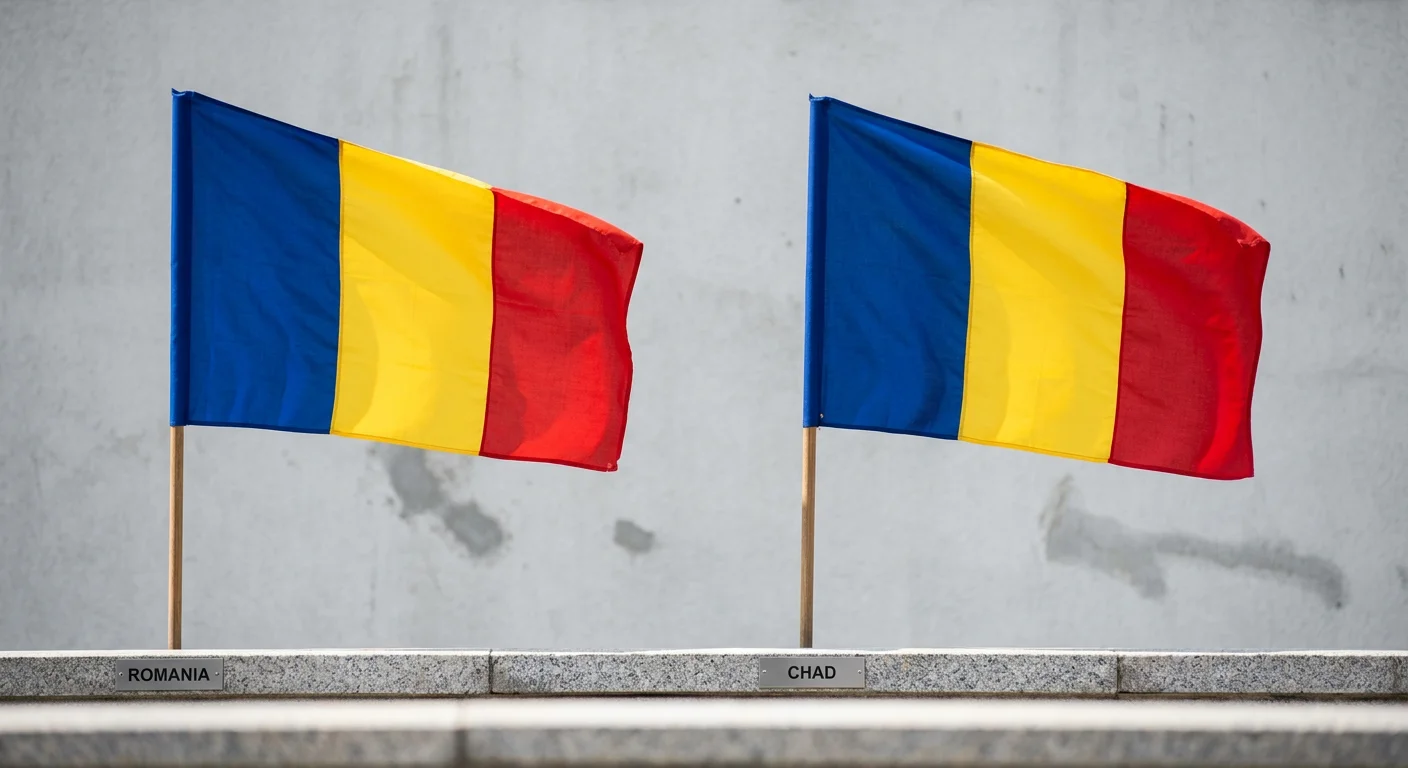
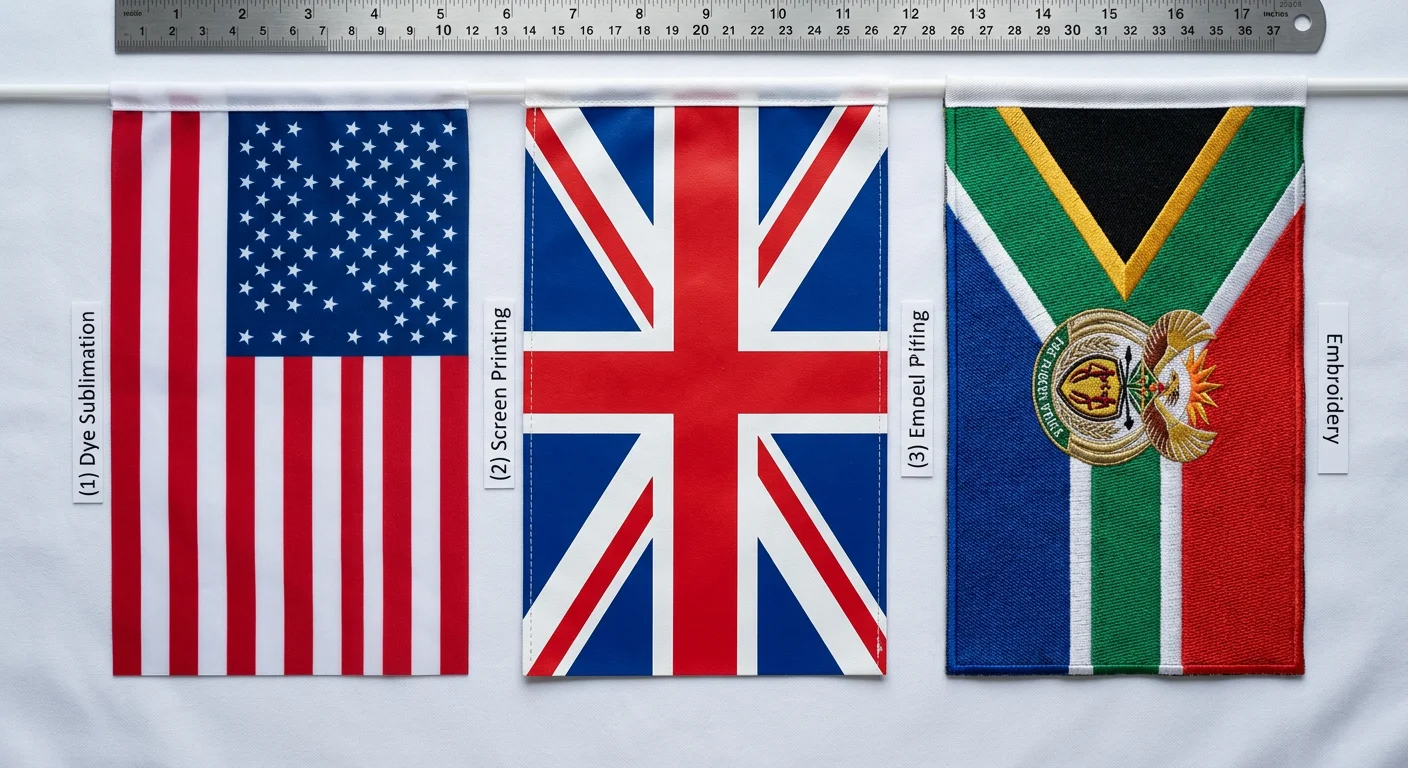
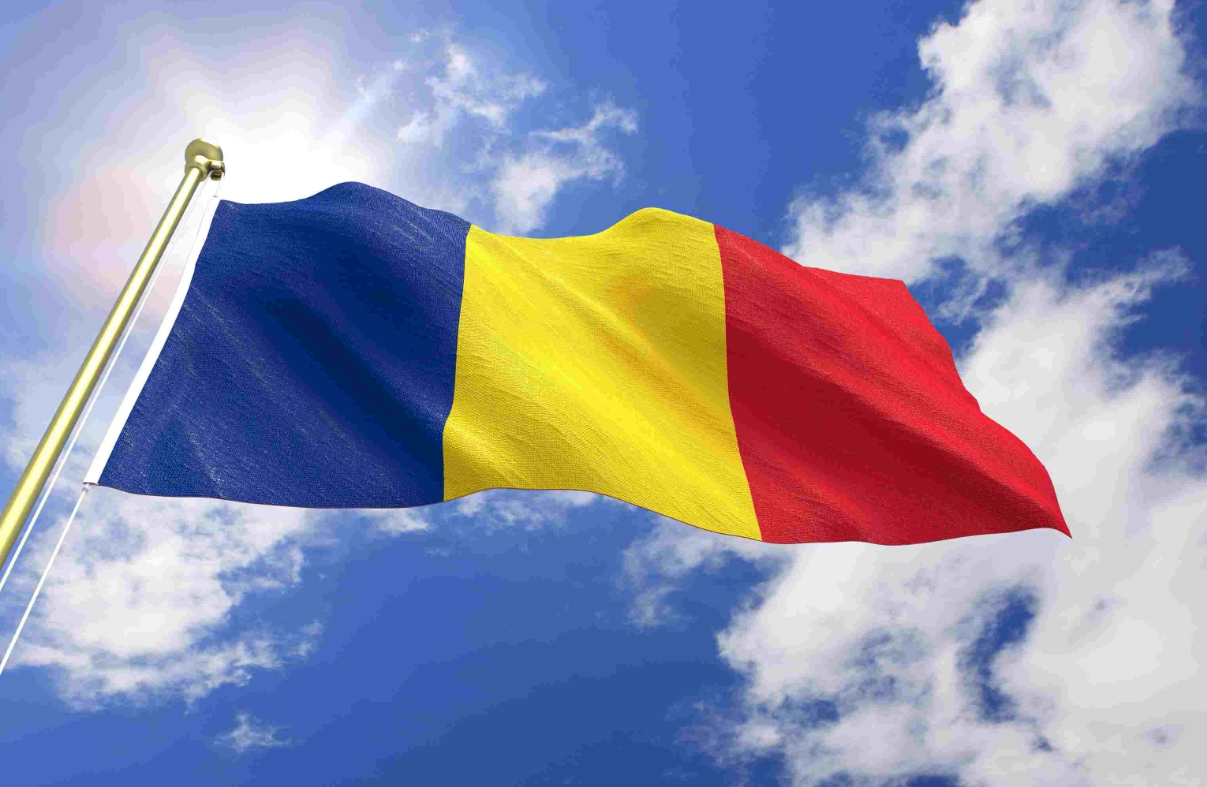
At first glance, the Romanian and Chadian flags look almost identical. Two vertical tricolor flags — blue, yellow, red — placed side by side. It's easy to see why people get confused.For Romania & Chad flag manufacturers, this near-identical design isn’t just visual coincidence — it directly affects production specs, shade matching, and export differentiation.
One flag belongs to a landlocked Eastern European nation with centuries of rough history. The other flies over a vast, sun-baked country in Central Africa. So how did two such different countries end up with nearly the same flag?
The story traces back to French revolutionary ideals, colonial-era politics, and a blue-shade dispute serious enough to land at the United Nations. Keep reading — you'll get the full story, the history, the symbolism, and the small but real differences most people miss.
The Surprising Reason Two Countries Share Almost Identical Flags: A French Revolutionary Connection
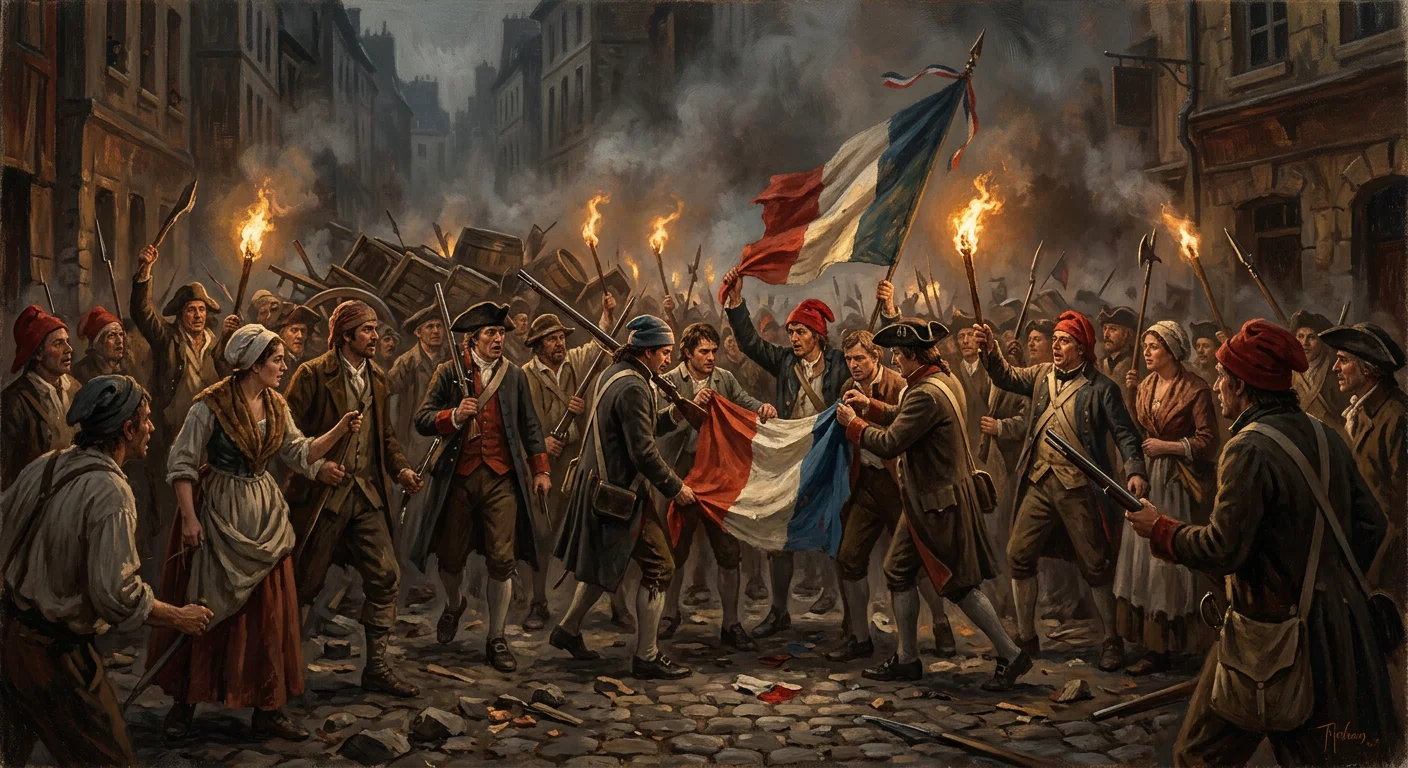
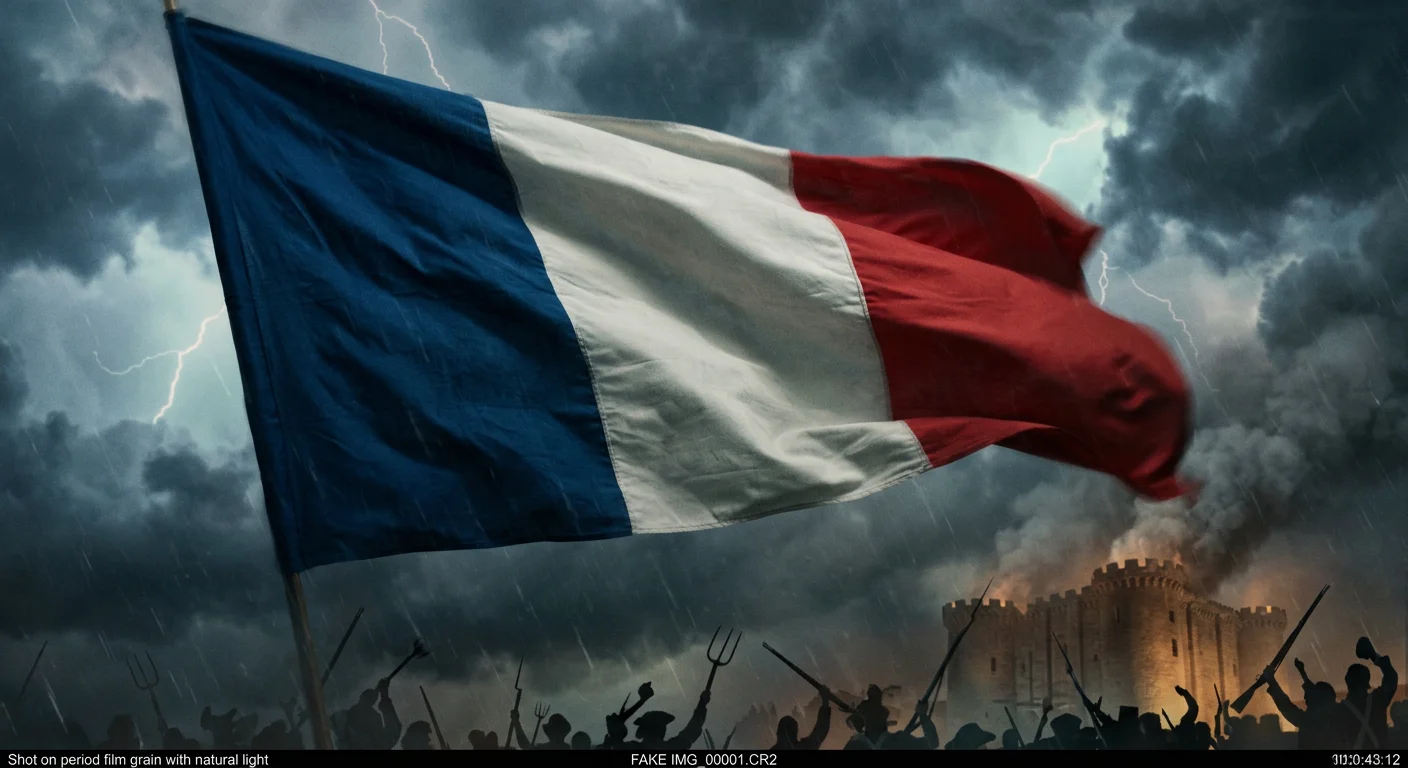
Paris, 1789. Streets smelled of gunpowder and bread riots. Somewhere in the chaos of revolution, a flag was born — one that would reshape the banners of nations not yet imagined.
The French tricolor didn't just belong to France. It became a template. An idea exported alongside the ideals of liberté, égalité, fraternité — wrapped in vertical stripes of blue, white, and red. What the guillotine couldn't spread, the flag did.
Key Insight
This is the root of the Romania-Chad coincidence.
Romania's path to its blue-yellow-red tricolor runs through 1848. That year, revolutionary fever swept across Europe. Romanian nationalist intellectuals, shaped by French republican ideals, adopted a vertical tricolor as their symbol of resistance against Ottoman and Habsburg rule. The colors shifted from France's blue-white-red. But the structure — bold, vertical, unapologetic — stayed true to the French model.
Romania wasn't alone in borrowing this design logic. The French Revolution's visual fingerprint shows up across the world:
Paraguay adopted vertical tricolor stripes drawn from French republican symbolism during its Latin American independence movement
Slavic nations including Croatia and Slovakia looked to the 1848 Pan-Slavic Congress in Prague, which itself cited French revolutionary ideals
Gran Colombia (1822–1830) used French-influenced horizontal stripes that survive today in the flags of Venezuela, Colombia, and Ecuador
Chad's connection came over a century later, through a different French channel — colonial rule. This shared origin is why Romania & Chad flag wholesalers often group both designs under the same tricolor production category despite their different historical meanings.
Chad gained independence in 1960. By then, French political aesthetics were woven into how new nations built their identities. The vertical tricolor format felt familiar, even natural.
1848
Romania's Tricolor Born
1959
Chad's Flag Adopted
111+
Years Apart
Two countries. One revolutionary idea threading through both histories.
Romania's Flag: 170 Years of Blue, Yellow, and Red
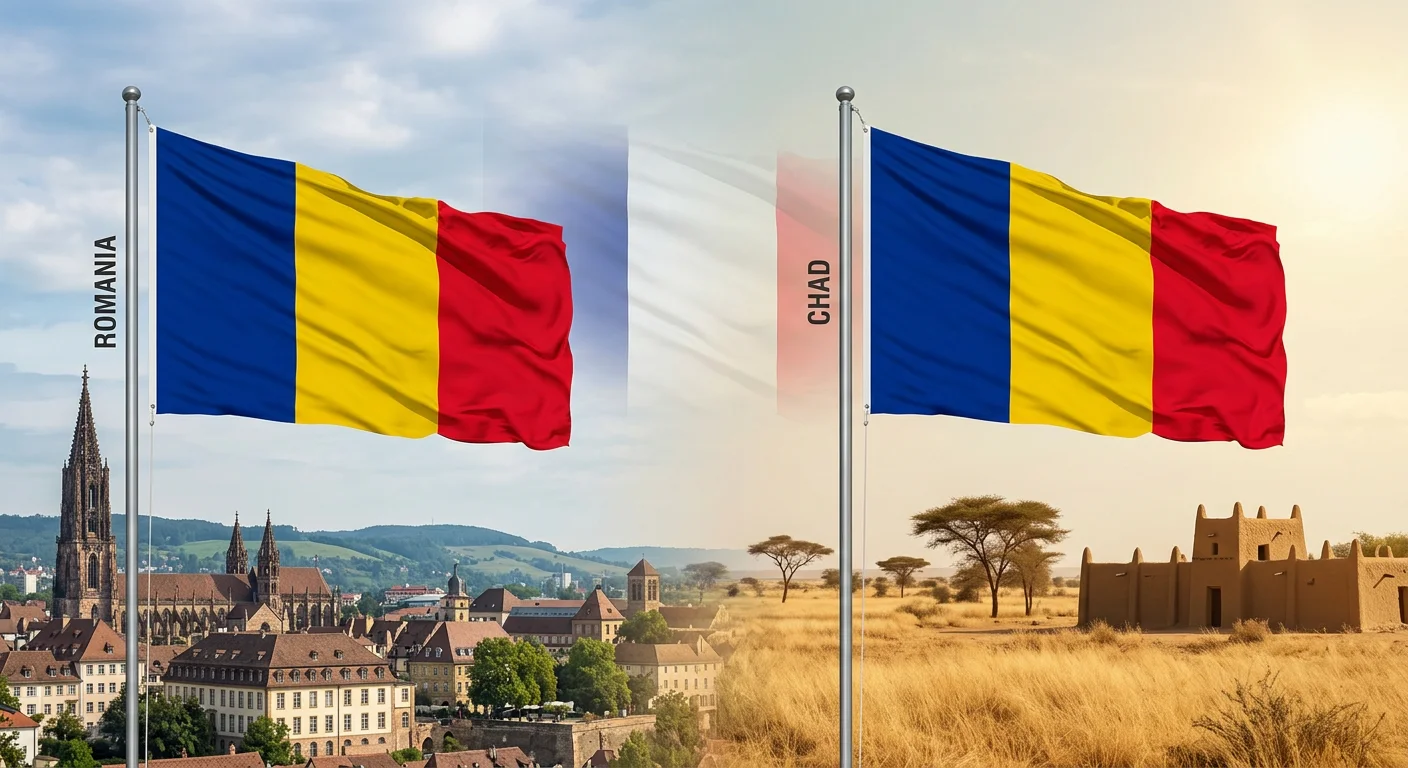
Three equal vertical bands. Blue on the hoist side, yellow in the center, red on the fly. Simple. Unyielding. And older than most people think.
Romania's tricolor goes back to the revolutionary movement of 1848. That was the moment nationalist intellectuals raised this banner to push back against Ottoman and Habsburg control. The colors had clear meaning behind them.
Blue
Liberty
Yellow
Wealth of the Land
Red
Blood of Defenders
That flag was born in protest — and it never went away.
A Design That Survived Empires, Communism, and Revolution
The story isn't just how long Romania has carried these three colors. It's what the flag went through along the way.
During the communist era, from 1952 to 1989 , the state inserted a coat of arms into the center band. Mountains, forests, a rising sun. The weight of ideology, pressed into cloth. It made the flag look cluttered, official, controlled .
Then came December 1989. The revolution. Romanians cut the communist emblem out of their flags — tore it away with their own hands — leaving a hole in the center. That hole became a symbol on its own. On December 27, 1989 , Romania re-adopted the flag in its clean tricolor form, free of any added imagery.
For any Romania & Chad flag factory, Romania’s strict 2:3 ratio and standardized cobalt tone require tighter production tolerances than most generic tricolor flags.
Production Spec
The current design holds strict proportions: a 2:3 width-to-height ratio, three bands of equal width. No emblem. No compromise.
170 Years, One Consistent Statement
From 1848 to today — 170 years — the blue-yellow-red vertical tricolor has stayed Romania's most enduring national symbol. Governments collapsed. Borders shifted. Regimes rose and burned out. The flag outlasted all of them.
That kind of staying power doesn't come by accident. A design lasts this long because it carries something real — not just colors, but the memory of why those colors were chosen in the first place.
Chad's Flag: From Green Sahara to Indigo Blue
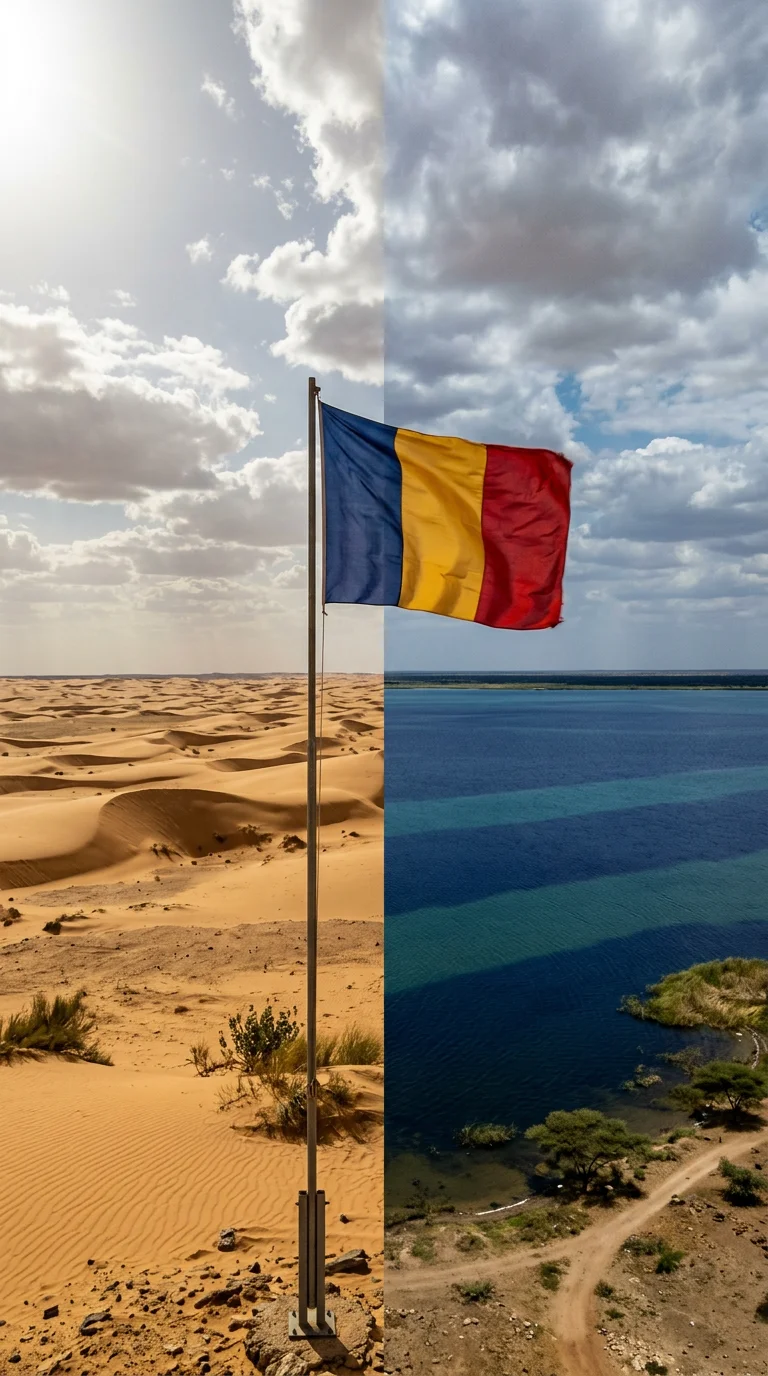
Chad's flag holds two worlds inside three stripes. One is the vast silence of the Sahara. The other is the dark, deep water of Lake Chad, pressing in from the south.This distinction is critical when producing a custom high quality national flag, where even slight deviations in blue tone can misrepresent national symbolism.
The flag was adopted on November 6, 1959 — just one year before Chad broke free from French rule. It shares the same vertical tricolor layout as Romania's flag: blue on the left, yellow in the center, red on the right. Three equal bands. No emblem. No extra imagery.
But the blue is not the same blue. Not even close, once you know what to look for.
A Blue That Speaks to Africa
Romania's blue is cobalt — bright, bold, a European shade backed by centuries of heraldic tradition. Chad's blue is indigo . Deeper. Heavier. It looks less like open sky and more like the bottom of a lake.
That difference is no accident. Chad chose indigo to carry two meanings at once. First, it stands for Lake Chad — the massive, shrinking body of water that gives the country its name. Second, it honors Black African heritage , pointing directly to the Pan-African color tradition that shaped so many flags born out of colonial independence across the continent.
Indigo
Lake Chad + Heritage
Yellow
Sahara Desert
Red
Independence Blood
Where Two Traditions Meet
Chad's flag stands at a clear crossroads between two very different design worlds.
The vertical tricolor format comes straight from the French tricolor. Colonial history, written in cloth.
The color choices pull from Pan-African tradition — the green-yellow-red palette of the Ethiopian flag, which fired up independence movements across Africa.
Green became blue. White became yellow. The red stayed red.
The end result looks almost European at first glance. Look closer, though, and every shade carries African meaning.
Need Custom National Flags with Precise Color Matching?
Our factory specializes in accurate Pantone color reproduction for Romania, Chad, and 190+ national flags. Get bulk pricing with certified color consistency.
Get a Free Quote TodayThe Visible Difference: Cobalt vs. Indigo (And Why Most People Miss It)
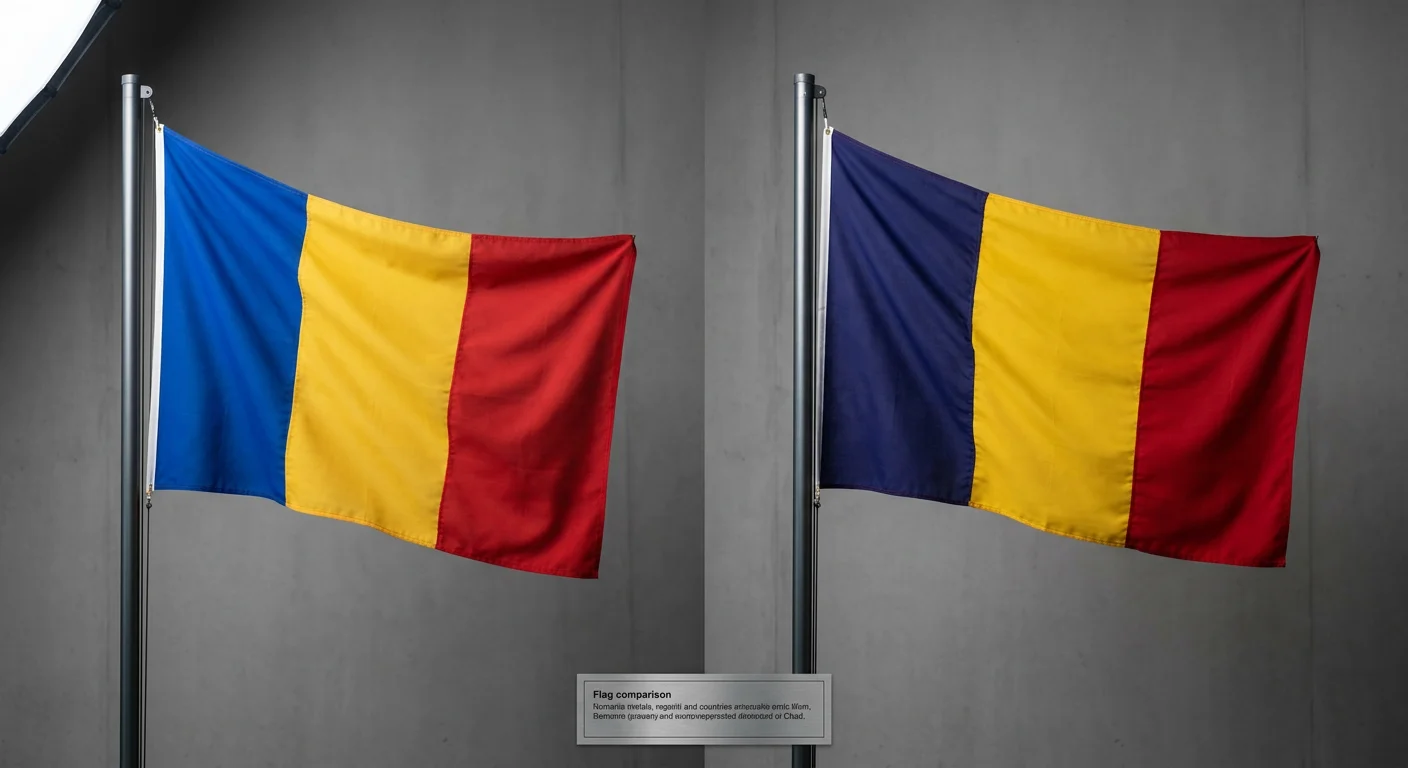
Hold both flags side by side under direct light. Something feels off. You can't name it right away. The blue on Romania's flag doesn't sit the same as the blue on Chad's. Not wrong — just different. Like two people who share the same name but wear it in completely different ways.
Most people never notice. That's not a surprise. The human eye can't easily tell cobalt from indigo without something to compare them against. Put either flag on a pole by itself and it looks fine. Put them together and the colors start to pull apart.
Romania's blue is cobalt — classified as PB28 in pigment notation. It sits in the middle of the blue spectrum. Opaque. Clean. Think of the stained glass in Sainte-Chapelle in Paris — installed around 1250, where cobalt glazing still catches light with a sharp, steady tone. Romania's blue doesn't lean toward violet. It doesn't drift toward green. It stays put.
Chad's blue is indigo. On Newton's color circle, indigo sits between blue and violet. It's darker and heavier — less red than violet, but deeper than standard blue. Indigo came from plants. Workers harvested those plants across Africa, India, and Central America, then processed them through vat chemistry into a dye that soaks in and holds. It's a textile blue. A colonial-era blue. A blue traded across oceans for centuries before it ever touched a flag.
Romania: Cobalt Blue
PB28 pigment · Mineral-based
Bright, opaque, sharp. Rooted in ceramics, minerals, and European heraldic tradition.
Chad: Indigo Blue
Plant dye · Agriculture-based
Deeper, heavier, closer to violet. Rooted in agriculture, cloth, and African trade routes.
The two blues don't just look different. They come from different worlds.
Cobalt — rooted in ceramics, minerals, and geology. It was a stable mineral pigment that pushed indigo out of European painting by the 19th century.
Indigo — rooted in agriculture, cloth, and trade routes. It's a dye-based color with deep ties to the African continent that Chad's flag grew out of.
That gap isn't just visual. It's historical. Romania's cobalt blue reflects European heraldic tradition — precise, mineral, controlled. Chad's indigo carries older weight. It's a color that crossed continents long before nations drew borders or raised flags.
For buyers comparing Romania and Chad wholesale prices, this subtle blue difference directly impacts dye selection, production cost, and final color consistency in bulk orders.
Most people see "blue" and move on. But the real difference between these two flags lives right there — in the space between cobalt and indigo, where two nearly identical flags become two separate things entirely.
The UN Complaint: Chad Said "Enough"
Flag confusion, it turns out, is the least of the tensions between these two nations.
In 2009, Chad brought a formal complaint against Sudan to the United Nations Security Council. The accusations went far deeper than shared flag colors. Chad claimed Sudan had armed what diplomats called a "phantom force" — Janjaweed-backed militias running operations along the border. These militias destabilized Chadian territory and turned refugee camps into recruiting grounds. Sudan pushed back hard. It claimed Chad was the real aggressor — sheltering JEM rebels, giving logistical support, and sending vehicles across the border for attacks.
Two countries. Same talking points. Each pointing the same finger in opposite directions.
The historical irony is hard to miss. The region at the center of that dispute — El Fasher, Darfur — became the focal point again decades later. In global trade practice, experienced Romania & Chad flag manufacturers must go beyond visual similarity, ensuring precise country identification, labeling accuracy, and compliance documentation for international shipments.
By May 2024 , RSF forces had held El Fasher under siege for over a year. What came next was recorded in painful detail:
At least 25 women and girls were gang-raped at gunpoint near El Fasher University shelters
More than 100 displaced families fled through active gunfire
Survivors walked up to 60 kilometers without food or water toward Tawila
Along the route, RSF checkpoints forced people through nudity checks, ethnicity screening, and looting
Verified videos showed hundreds of men surrounded, beaten, and forced to chant degrading slogans. Some were shot at close range — picked out by perceived ethnicity or suspected ties to the Sudanese Armed Forces.
The UN Office on Genocide Prevention identified a clear pattern: mass killings, sexual violence, blocked aid, and the destruction of homes, farms, health facilities, and water points. All of it directed against the Fur, Zaghawa, and Masalit communities.
Chad denied facilitating any arms transfers. So did the UAE. Neither inquiry reached a clear conclusion.
The word enough — ca suffit in French — also showed up inside Chad's own borders in 2016. Security forces arrested Mahamat Nour Ahmed Ibedou, a spokesperson for a domestic opposition group called Ca Suffit , during a public demonstration. Excessive force was used.
Two different contexts. One identical phrase. That kind of coincidence feels almost too clean — except none of it, in either direction, was clean at all.
Romania, Chad, and the World's Most Confusingly Similar Flag Pairs
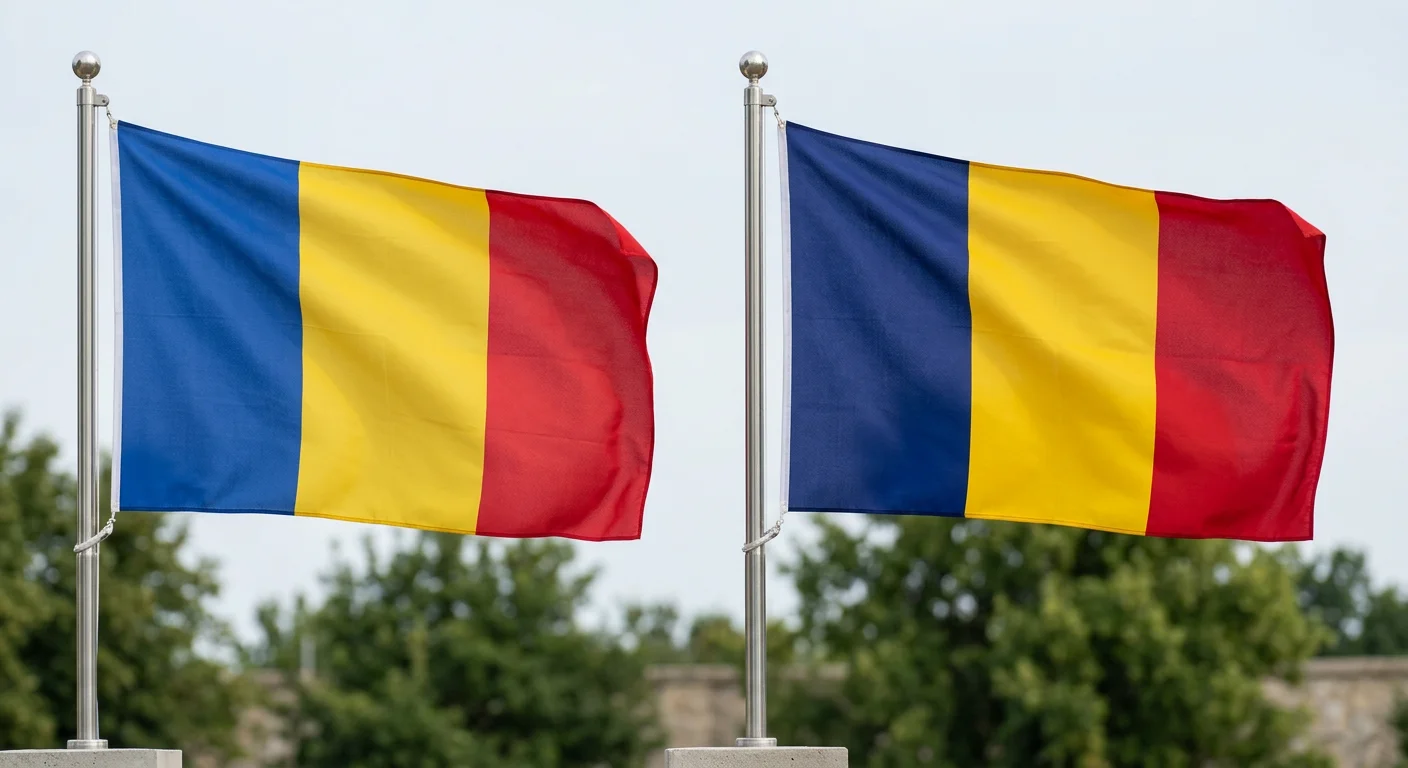
Chad and Romania are the only two sovereign nations on earth with flags that are, for all practical purposes, identical. Not similar. Not reminiscent of each other. Essentially the same — and yet neither country copied the other.
The similarity is pure coincidence. Romania's tricolor predates Chad's by over a century. Chad redesigned its flag in 1959. The goal was to swap out its green-yellow-red Pan-African colors to avoid confusion with Mali. Nobody in N'Djamena looked east toward Bucharest. The resemblance was an accident nobody planned — and nobody could fix.
What followed was something flag experts — vexillologists — almost never get to see: a live diplomatic dispute over the color blue.
Romania raised the issue at the United Nations. President Ion Iliescu requested intervention. Chad refused to concede. Instead, Chad pushed back, claiming Romania had copied them . Romania pointed to 1848. Chad pointed to 1959. The UN heard both sides and did nothing. The dispute is still unresolved today.
At international sporting events, context is the only reliable way to tell the flags apart — a country name on a jersey, an athlete's face. Neither flag carries an emblem or coat of arms. No seal breaks the symmetry. Andorra uses the same blue-yellow-red tricolor but sidesteps confusion through a coat of arms stamped dead center. Chad and Romania have no such escape route.
Even flag experts who spend careers sorting the difference between crimson and scarlet admit they would struggle to tell these two flags apart side-by-side under the same lighting.
Two flags. One accident. No resolution. Somewhere between cobalt and indigo, two nations are still flying the same argument. For manufacturers producing national flags in different materials, the shade difference between these two blues demands careful dye specification.
Wholesale National Flags — Factory Direct Pricing
Whether you need Romanian tricolors, Chadian indigo flags, or any national banner at scale, our production line delivers with 7-day turnaround and MOQ as low as 100 pieces.
Request Wholesale PricingFAQ: Romania and Chad Flag — Quick Answers to Common Questions
These questions keep coming up — in classrooms, on quiz nights, in comment sections under geography videos. Here are the straight answers.
Are the Romanian and Chad flags exactly the same?
Close, but not quite. Both use vertical blue, yellow, and red stripes in equal widths. The difference is in the blue. Romania's blue is cobalt — bright, mineral, sharp. Chad's blue is indigo — darker, heavier, closer to violet. Side by side under good light, you can spot the gap. On a flagpole across a courtyard, most people will miss it.
Which flag came first?
Romania's. By over a century. Romania adopted its blue-yellow-red tricolor in 1848. The design grew out of revolutionary nationalism. Chad's flag came in 1959, one year before the country gained independence from France.
Did Chad copy Romania?
No. Chad redesigned its flag to avoid confusion with Mali's green-yellow-red colors. Romania was never part of that decision. The resemblance is coincidence, not imitation.
Has the dispute ever been resolved?
No. Romania raised the issue at the United Nations. Chad refused to change its flag. The UN took no binding action. The two flags stay near-identical to this day.
What are Romania's official flag proportions?
A 2:3 width-to-length ratio, with three equal vertical stripes. The official colors are:
Pantone 280C
Blue
Pantone 116C
Yellow
Pantone 186C
Red
These colors are standardized under Law 75/1994 and updated in 2023.
Does either flag have a coat of arms?
Not at the moment. Romania dropped its communist-era emblem after the 1989 revolution. Chad's flag has never carried one. Both fly as clean tricolors — and that's what makes them so easy to mix up.
Conclusion
Two flags. One French revolutionary idea. Two centuries of shared visual DNA — yet they tell different stories.
The shade of blue between Romania and Chad isn't just a color quirk. It's a quiet reminder that national identity lives in the details. Cobalt versus indigo. A coat of arms versus clean simplicity. A European kingdom's 1848 uprising versus an African nation's 1960 independence dawn. Same tricolor skeleton. Different souls.
That's what flags do. They compress centuries of history into a rectangle of color and symbol. No two rectangles mean the same thing — even when they look identical at first glance.
This rabbit hole might have you thinking about what your flag would say. RunCustomFlag.com can help you design one worth remembering. Built with the same intention Romania and Chad brought to theirs.
The best flags aren't copied. They're created.
Design Your Own Custom Flag — Built to Your Exact Specs
From color-matched national flags to fully custom designs, we manufacture flags that tell your story. Premium materials, competitive pricing, global shipping.
Start Your Custom Flag OrderVideo Guide
Related Articles You Might Enjoy