Every flag manufacturer has a chart showing how long their product lasts. Most of those charts are generous. I got tired of reading conflicting claims about nylon vs polyester flag durability, so I ran my own outdoor test — two flags, one pole, twelve months, no shortcuts.
The Setup: Same Pole, Same Location, Same Start Date
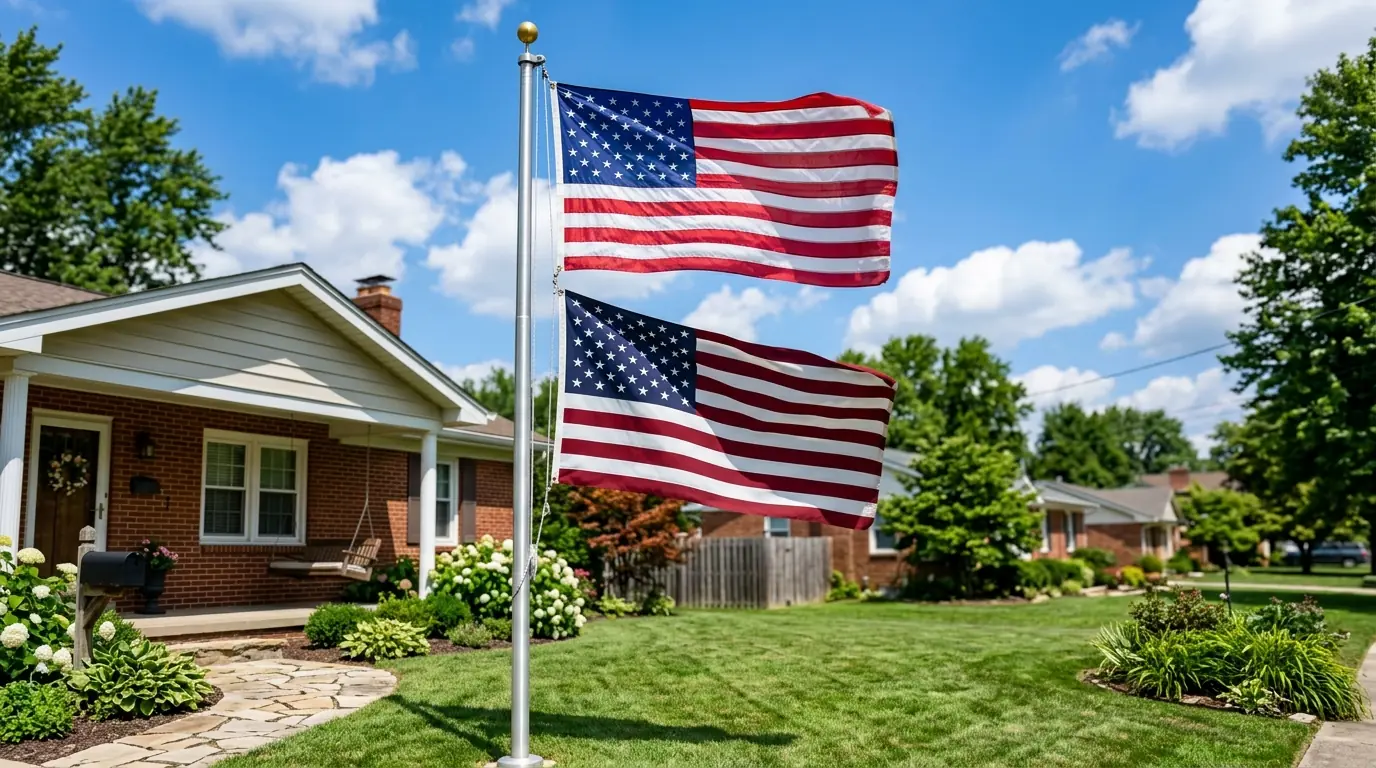
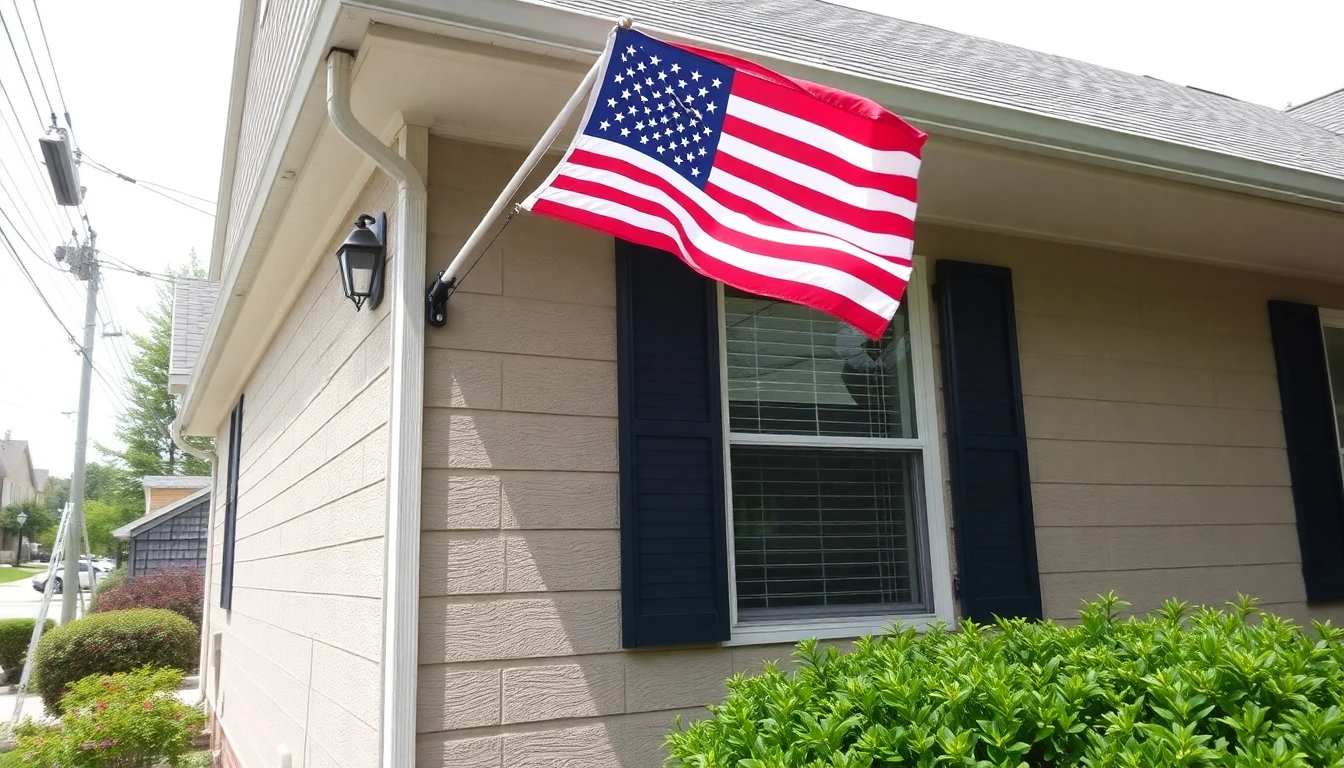
Last March, I ordered two 3×5 American flags — one sewn nylon, one sewn polyester — from two reputable manufacturers at about the same price point. Both went up on the same flagpole using a dual-clip halyard, so they'd get identical sun, wind, and rain exposure. No excuses, no variables, no "well, my pole faces south and yours faces north."
I wanted to settle this debate with real evidence instead of repeating what manufacturers print on packaging.
4%
Nylon Water Absorption
0.4%
Polyester Water Absorption
The nylon flag was lighter in hand. It felt like a quality windbreaker — smooth, with a slight sheen. Nylon absorbs about 4% of its weight in water, dries fast, and flies well in light breezes. The polyester flag had more heft. That thick, 2-ply woven construction felt more like a durable canvas bag than a jacket. Polyester absorbs just 0.4% water and is built to handle stronger winds without shredding. If you're comparing flag fabric options from our manufacturing facility, that weight difference is the first thing you'll notice.
Day one, I took photos of both flags side by side. Colors were vivid on each. The nylon had a glossier finish. The polyester looked a shade more matte but just as sharp. If you'd asked me that afternoon which one would last longer, I couldn't have told you.
My one commitment: both flags stayed out 24/7. No taking them down at night, no pulling them in during storms. That's how most people fly flags, and that's the test that matters.
Month 1-3: Both Flags Look Fine, But Small Differences Emerge
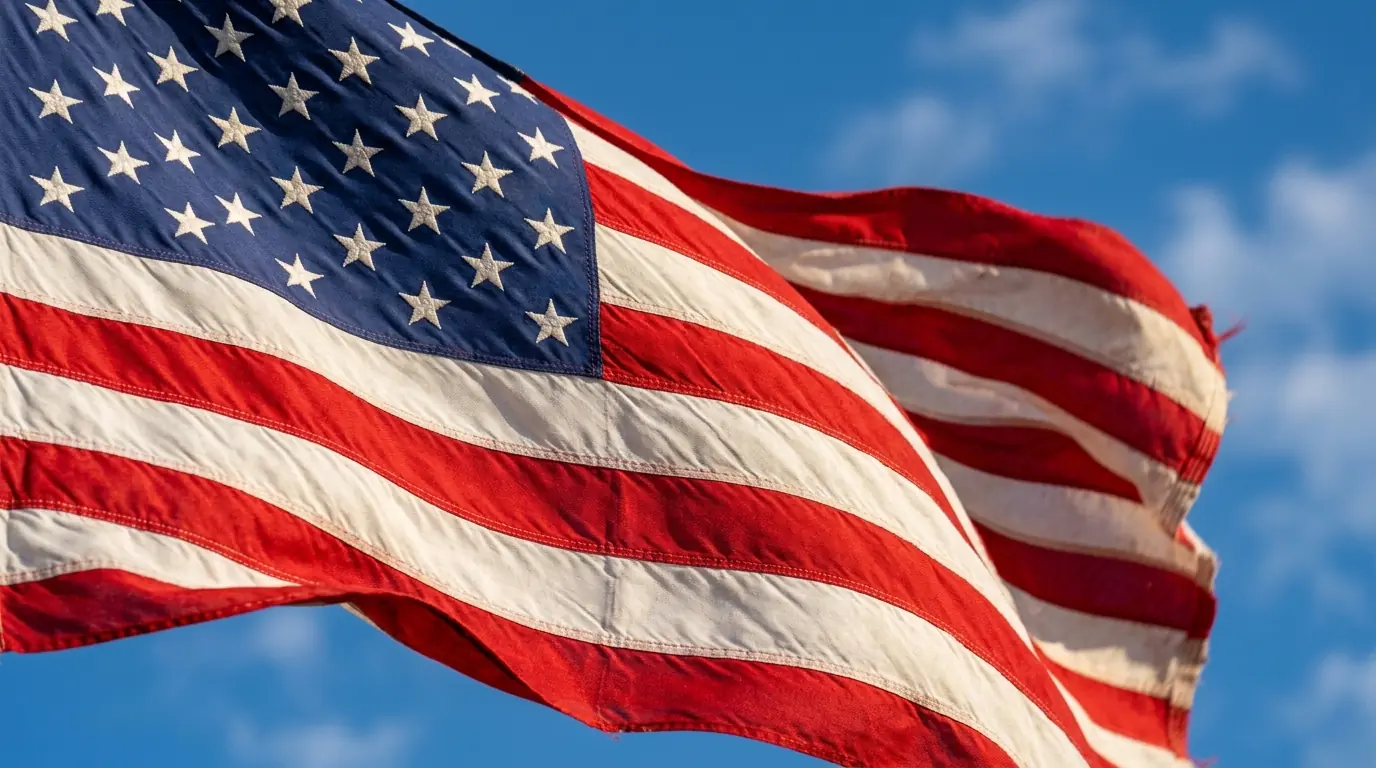
For the first eight weeks or so, both flags looked great. Visitors couldn't tell the difference from the ground. But up close, I started noticing things.
The nylon flag responded to the slightest breeze. Even on calm mornings when the air barely moved, it would unfurl and ripple. It looked alive. The polyester flag needed a stronger gust before it did much of anything — it just hung there on quiet days. If your main goal is that classic waving-flag look in light wind, nylon wins that one easily.
Storms told a different story. During a heavy spring thunderstorm in late April, I watched both flags from the window. The nylon whipped around hard, tangling on the pole twice. The polyester rode through it — heavier fabric, less whipping, no tangles. That 2-ply construction absorbs wind stress instead of fighting it. For anyone sourcing weather-resistant outdoor flags for coastal events, this storm behavior matters more than any spec sheet.
After a rainstorm, the nylon flag would droop and feel heavy. It holds water — that 4% absorption rate is real, and you can feel the extra weight. The polyester dried out fast. By month three, I noticed the nylon colors looked a hair less vibrant than day one. The polyester hadn't changed at all.
| Feature | Nylon | Polyester |
|---|---|---|
| Weight | Light | Heavy |
| Light wind performance | Excellent | Average |
| Initial color pop | Slightly brighter | Matte but sharp |
| Fade resistance | Good | Better |
| Storm handling | Tangles, whips | Stable, heavy |
| Drying time | Slow (holds water) | Fast |
At three months in, both flags were still presentable. But if I'd been flying the nylon 24/7 in a windier location, the American Legion's 90-day guideline for nylon replacement would have made more sense.
Month 4-6: The Nylon Flag Starts Showing Wear
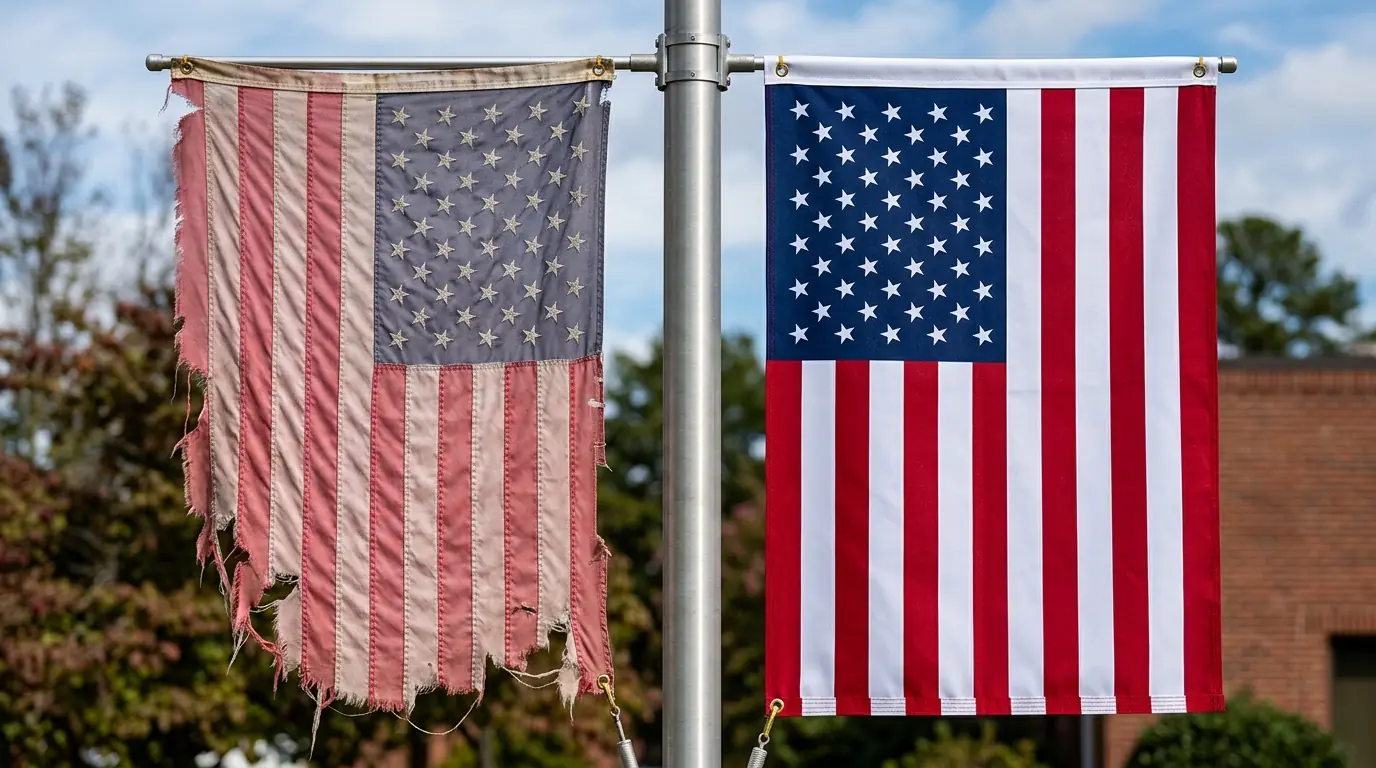
Month four is when this flag material durability test got interesting. I spotted the first loose threads on the nylon flag's fly end — the edge farthest from the pole, where wind stress concentrates. Just a few thread pulls, nothing dramatic. But it was the start.
By month six, those thread pulls had become a visible fringe. From the street, you could see ragged edges. The reds on the nylon had shifted toward pink. The blues were lighter. The white stripes had picked up a faint yellow tone. Color retention had dropped to maybe 50-60% of the original brightness — and that's being generous.
The polyester flag at six months? It looked close to new. Minimal color change. No fraying. Stitching intact. I checked the fly end with a magnifying glass just to find something wrong, and the best I could manage was a single loose fiber. Adding heavy-duty corner patches for outdoor flags could extend nylon lifespan, but it won't fix the fundamental material limitation.
People who fly nylon flags in Florida or Arizona — places with serious UV and daily wind — often report shredded flags by the six-month mark. My climate is more moderate, and the nylon was already showing clear degradation. If you're in a harsh-sun state, cut every nylon lifespan estimate in half. That's been consistent with what I've seen in online forums and what the American Legion recommends: about 90 days for daily sunrise-to-sunset flying.
The gap between the two materials was no longer subtle. Anyone who looked at the pole could tell which flag was aging.
Month 7-9: Nylon Decline Accelerates
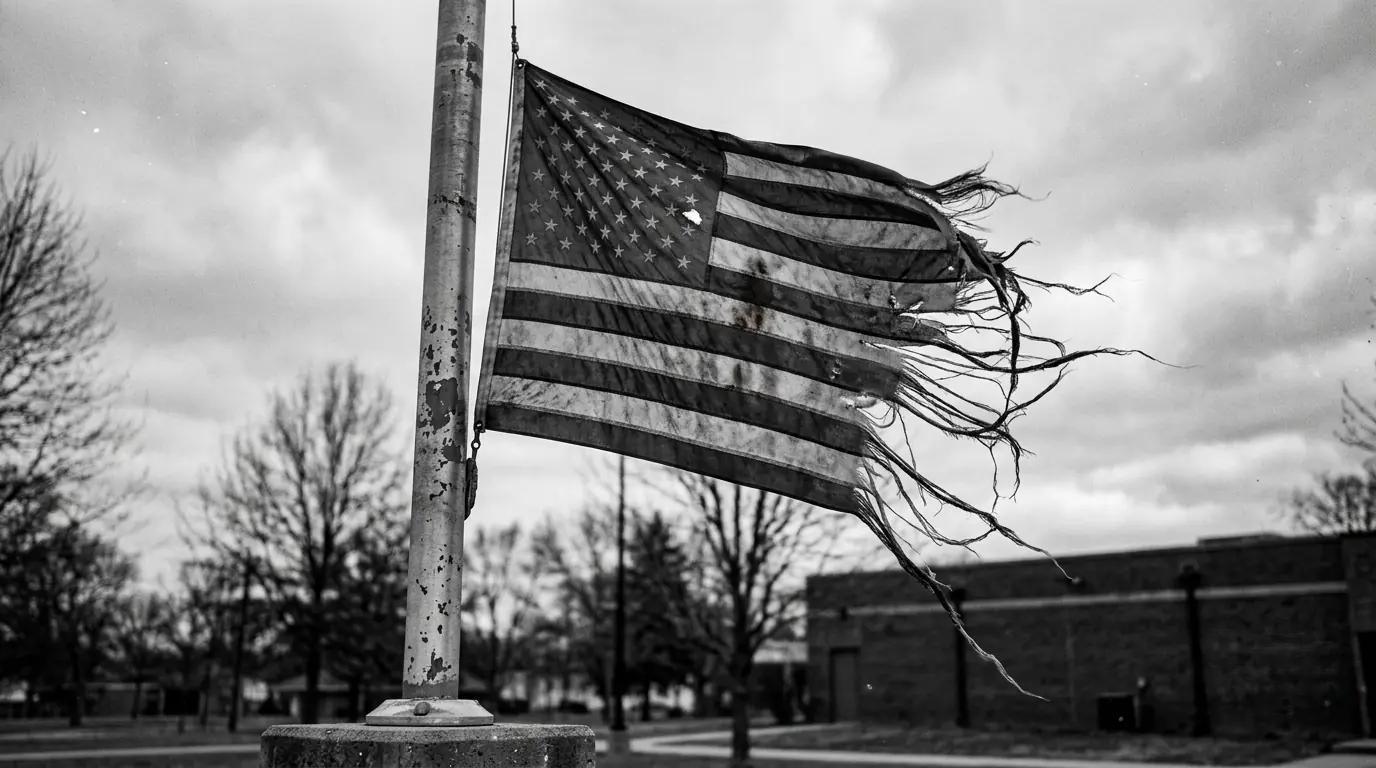
The fraying on the nylon flag spread fast after month six. By month eight, the ragged edge extended a good inch and a half from the fly end. Stripes were starting to separate. From twenty feet away, the flag looked worn — the kind of flag you'd think someone forgot about.
The fabric itself felt thinner. Hold it up to sunlight and you could see more light coming through than before. UV had broken down the fiber density over months of continuous exposure. The flag wasn't just fading — it was losing structural integrity.
Meanwhile, the polyester flag showed its first real signs of aging. Some slight color softening in the reds. Minor pilling in the areas that rubbed against the halyard clips. But structurally? Still solid. Still flying with the same weight and stability as month one. Industry data suggests polyester flags last 24-36 months in moderate conditions, and at nine months, mine was tracking right on pace. The durable flag rope and halyard held up fine on both — the hardware wasn't the weak link here.
I thought about replacing the nylon flag to keep the comparison fair, but that would have defeated the purpose. The whole point was to see how long each material holds up in the real world. The nylon was telling a clear story: beyond six months of continuous 24/7 display, you're flying a flag that's past its prime. The US Government and American Legion both recommend 90-day rotation for a reason.
Pro Tip: For bulk flag orders over 100 pieces, contact our team for volume pricing on premium polyester flags that last 2-3x longer than standard nylon.
Month 10-12: Final Assessment and the Verdict
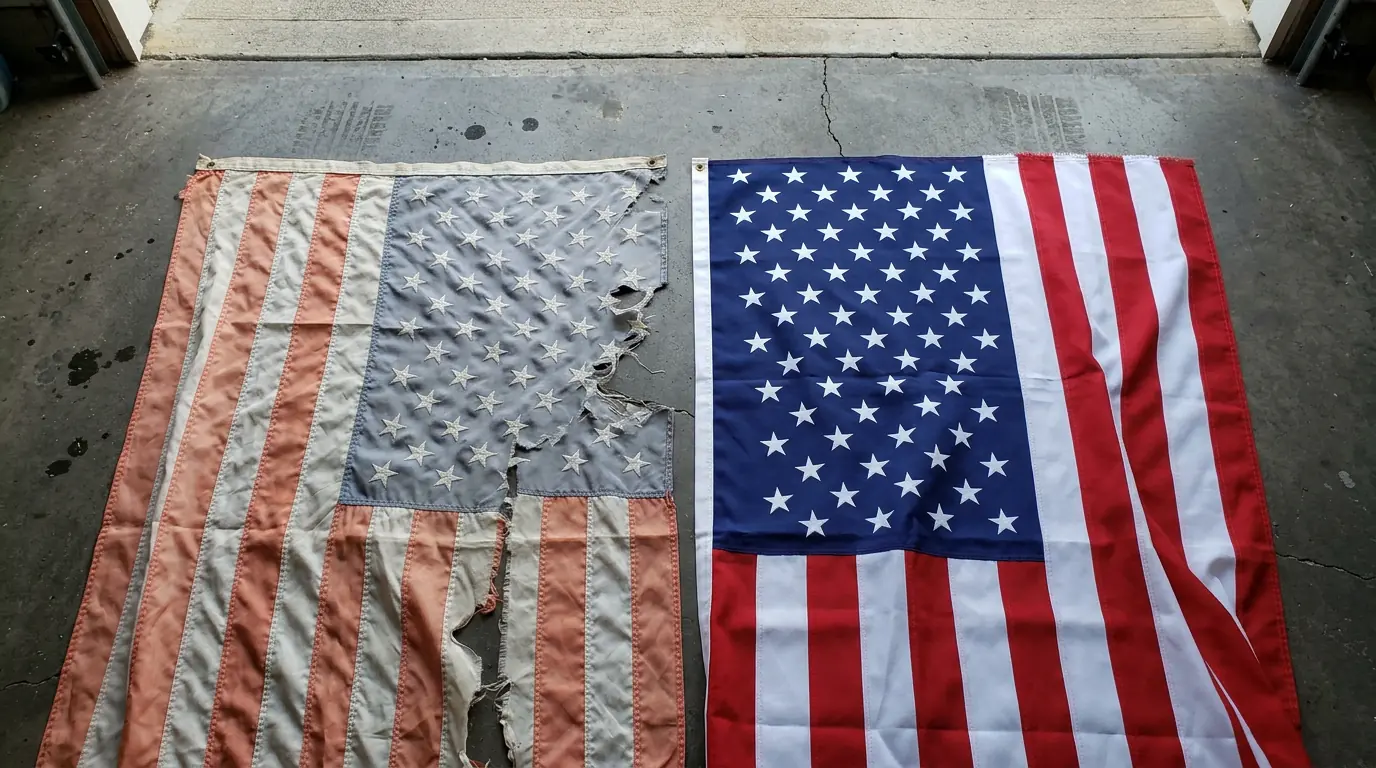
At twelve months, I took the flags down, laid them on the garage floor, and put them next to the Day 1 photos on my phone.
The nylon flag was done. Fraying stretched three to four inches along the entire fly end. Color had faded by 30-40% — the reds looked washed-out pink, the blues were pale, the whites had gone cream. The fabric felt papery and thin. This flag was past any reasonable display standard. If I'm honest, it should have come down around month eight or nine.
The polyester flag still looked presentable. Minor edge wear along the fly end — maybe a quarter inch of loose fibers. Color loss sat around 10-15%. The fabric still had weight and body. It still flew with authority in the wind. Based on its condition at twelve months, I'd estimate another six to twelve months of life before it reaches the state the nylon was in at month nine.
| Material | Moderate Conditions | Harsh Wind/UV |
|---|---|---|
| Nylon | 6-9 months | 3-5 months |
| Polyester | 12-18 months | 8-12 months |
The polyester vs nylon flag outdoor test verdict is straightforward. Polyester retained roughly 85-90% of its color at the one-year mark. Nylon kept 40-60% at best. For anyone flying a flag 24/7 without taking it down, polyester lasts about twice as long before replacement.
85-90%
Polyester Color Retained
40-60%
Nylon Color Retained
The cost math matters too. If a nylon flag costs $25 and lasts eight months, you're paying $3.12 per month. If a polyester flag costs $35 and lasts eighteen months, that's $1.94 per month. The cheaper flag is more expensive to own. Businesses ordering in volume from a national flag manufacturer with bulk pricing see this cost-per-month gap widen even further.
Nylon Flag Cost
$3.12/month
$25 upfront / 8 months lifespan
Polyester Flag Cost
$1.94/month
$35 upfront / 18 months lifespan
What This Test Doesn't Tell You — And Why That Matters
One flagpole in one climate over one year has limits. My location gets moderate wind, decent UV, and regular rain — a fair testing ground, but not universal.
Desert environments would amplify the UV damage. In Arizona or Nevada, that nylon flag might have hit replacement threshold by month four instead of month eight. Polyester's superior UV resistance becomes even more critical when the sun is relentless.
Tropical humidity creates different problems. Nylon's 4% water absorption means it stays wet longer, stretches more, and develops mildew risk in climates where it never fully dries out. Polyester's 0.4% absorption handles that much better — but I didn't test in those conditions.
I also didn't test freeze-thaw cycles. Northern climates where flags ice up overnight and thaw in the morning create brittleness issues that neither material handles well. That's a different experiment entirely.
Material grade changes everything too. My test used mid-range flags from reputable brands. A 200-denier UV-treated Dupont nylon flag holds color at 70-80% after twelve months — much better than the standard nylon I tested. And 2-ply spun woven polyester, the heavy-duty grade, outlasts standard polyester by a wide margin. Comparing cheap nylon to premium polyester isn't the same test as comparing equal grades. Working with a professional flag manufacturing company that controls material sourcing makes a measurable difference in what you end up flying.
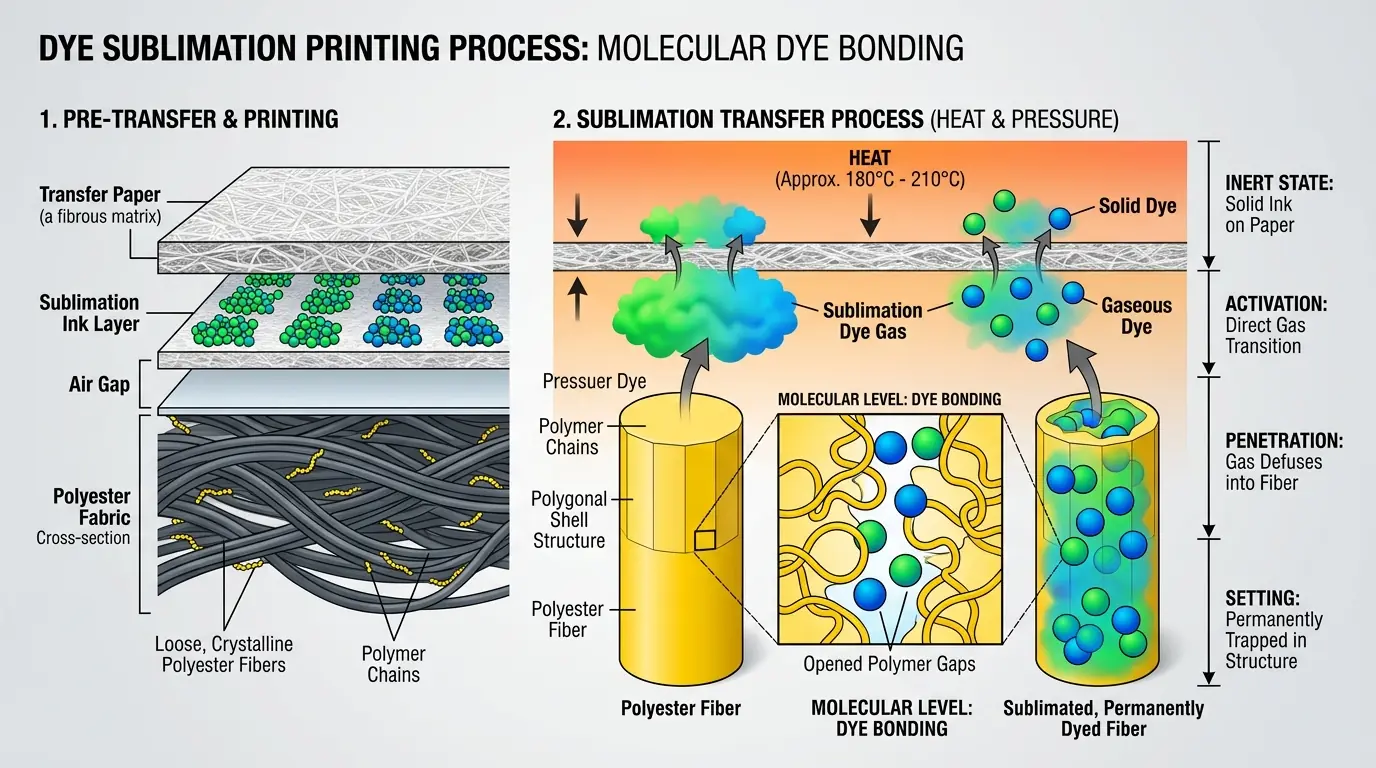
Sewn flags and sublimation-printed flags fade differently too. Dye-sublimated polyester can lose color faster than sewn polyester because the print sits on the surface rather than being woven into the fabric. I used sewn versions of both.
If I were starting over with this knowledge, I'd run a rotation strategy: nylon for calm spring and fall months when you want that light-wind flutter, polyester for harsh summer UV and winter storms. That combination could stretch your total flag life to 18-24 months while keeping the best look year-round. But if you only want to buy one flag and leave it up? Polyester. Not close. If you need help picking between options, reach out for a custom flag consultation — material choice is the single biggest factor in how long your investment lasts.
Conclusion
Key Takeaway
Polyester won this test by a wide margin. After twelve months of identical exposure, the nylon flag was past replacement while the polyester still had months of life left. The cost per month favors polyester even though it costs more upfront.
Your decision tree is simple. If you fly a flag 24/7 in any climate, buy polyester — the 2-ply sewn variety if your budget allows. If you only fly flags on calm days or bring them in at night, nylon gives you that classic light-wind ripple and brighter initial color for less money. If you're in a high-UV or high-wind area, polyester is the only serious option. For commercial quantities, a commercial-grade flag pole manufacturer can pair the right pole height with the right flag size and material.
Next step: check your current flag right now. If the fly end is fraying more than an inch or the colors have faded past 50%, it's time. Order a sewn polyester replacement and set a calendar reminder for 12 months out. That's your new rotation cycle.
Related Articles