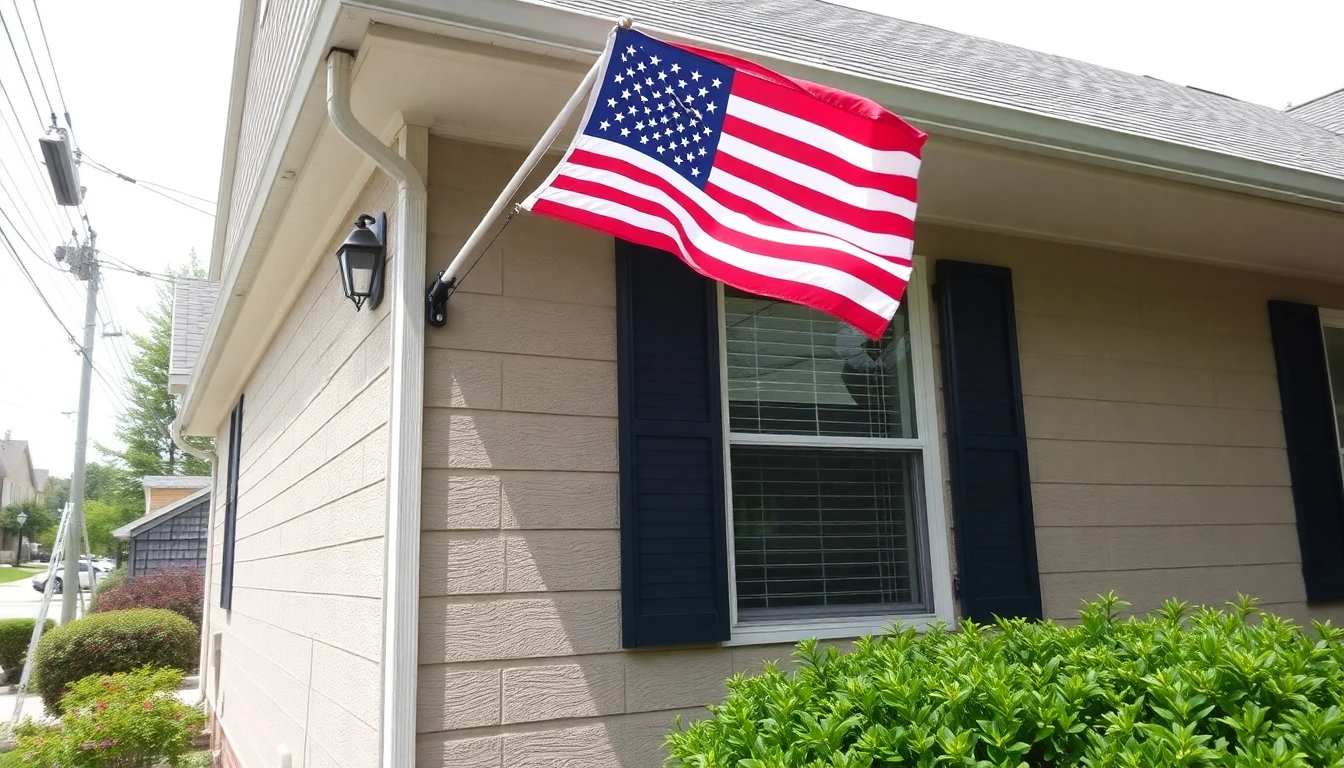
Your flag has faded from bold colors to washed-out pastels. The edges are frayed at the fly end. That tattered rectangle barely looks like the symbol you raised months ago.
Here's what custom national flag suppliers won't tell you: the average outdoor flag lasts just 6-12 months. This number changes a lot based on your choices today.
A $30 polyester flag in Phoenix might fall apart in 90 days. The harsh UV rays destroy it fast. But spend the same amount on marine-grade nylon and take care of it right? You could get two full years from it.
Maybe you're budgeting for a commercial property. Or planning flag rotations for your municipality. Or you're just wondering if that sun-bleached flag does more harm than good. Understanding flag longevity saves you money. It also keeps these symbols looking dignified.
We're breaking down national flag material science for you. You'll learn about environmental factors that matter. We'll share maintenance tricks that turn three-month disasters into multi-year wins. Plus, you'll get the clear signs that tell you it's time to retire your flag the right way.
Key Factors That Determine Flag Service Life
Five elements control your flag's life. They decide if it lasts six months or two years. Each one matters more than you think.
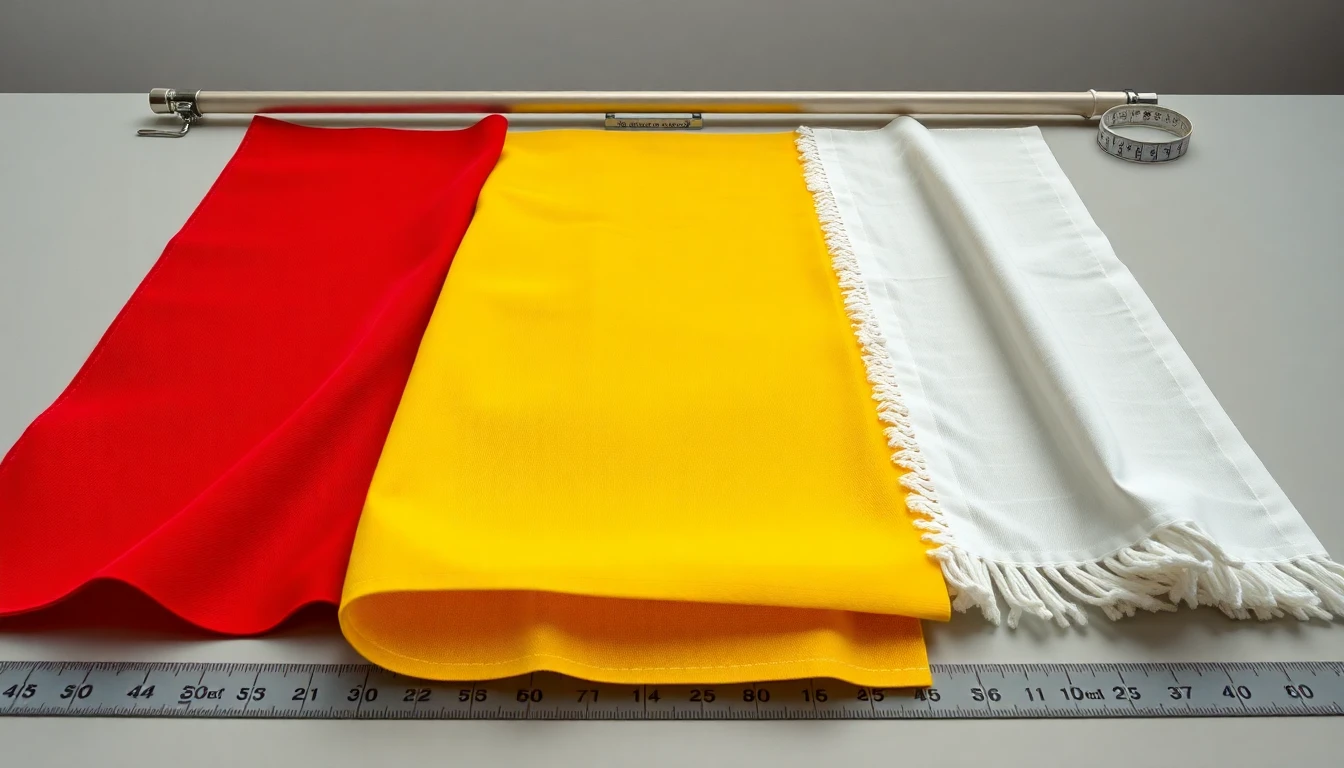
Material creates the foundation. Nylon breathes well and moves nicely in light wind. It fights mildew. It dries fast after rain. Polyester handles harsh UV rays better. It's the top choice for sunny climates. Cotton? Great for indoor ceremonies. But outdoors? It falls apart in 3-4 months.
Sun exposure kills flags. UV rays break down synthetic fibers at the smallest level. A flag in 8+ hours of direct sun ages three times faster than one in shade. Coastal areas get reflected sunlight from water. That makes it worse. The fading you see means more than color loss. Those washed-out colors show the fabric is breaking down.
Wind speed creates stress. Gentle breezes cause normal wear. Winds above 15 mph whip your flag constantly. This shreds the ends and grommets. Chicago's wind corridor? Wyoming's open plains? Your flag faces tough conditions there. A quality flag in calm Florida lasts 18 months. That same flag in Amarillo? Six months tops.
Display time adds up. Flying your flag 24/7 exposes it to dew, temperature shifts, and night humidity. Take it down at sunset? You cut stress in half. Commercial properties run flags non-stop. So budget for more frequent replacements.
Maintenance extends life. Regular cleaning removes pollutants that eat fabric. Store your flag during severe weather. This prevents major damage. Check for small tears often. Catch them before they become big rips. These steps can double your flag's life. A 6-month flag becomes a 12-month investment.
Flag Material Durability Comparison
The fabric you choose sets the limit. Your maintenance schedule doesn't. Your location doesn't matter either. The material itself decides how long your flag lasts.
Polyester wins for durability. Two-ply polyester (called Tough-Tex) lasts the longest. This fabric barely fades after months in direct sunlight. UV treatment protects the fabric structure. Custom nylon flags flying 24/7 show major wear in just 1.5 months. Polyester lasts much longer. The strong fibers keep edges from fraying. The open weave cuts down friction that creates tiny tears.
Poly-Max beats regular polyester. This premium material keeps colors bright. You won't see faded blues and reds like you do with cheap flags. The thick construction works great on tall poles and open areas. Poly-Max costs more up front. But it pays off. You get 18-24 months of use in tough conditions. That's three times longer than standard nylon.
Nylon works best in certain situations. This light material moves well in soft breezes. Just a little wind makes it unfurl. The smooth movement looks nice. But it won't last as long. Nylon soaks up 4% of its weight in water during rain. That extra water weight stretches the fabric. Wet-dry cycles hurt the stretch over time. UV protection is weak. UV-B rays break down the fabric bonds. The material gets weaker each week.
Water absorption creates big differences. Polyester absorbs just 0.4% water. It dries fast. It keeps its shape. Rainy weeks won't cause lasting damage. Nylon flags stay wet longer. The trapped moisture grows mold in humid areas. Static builds up in dry air. This damage can't be fixed. Amazon reviews show the truth: over 90% of one-star nylon flag reviews mention tearing within 2-12 weeks of outdoor use.
Rotate materials to make flags last longer. Use polyester during summer when UV rays are strongest. Switch to nylon during mild spring and fall months. Two flags used this way last 18-24 months total. Polyester handles tough weather. Nylon gives you nice movement in calm seasons.
Pick material based on your weather. Coastal homes need Poly-Max's thick construction. Salt air breaks down fabric faster. Windy areas need sewn polyester. Places with changing winds work fine with light nylon. Material choice isn't about what you like. It's about what fits your climate. Pick wrong and you'll replace flags every three months. Pick right and your flag lasts for years.
How Different Weather Conditions Affect Flag Longevity
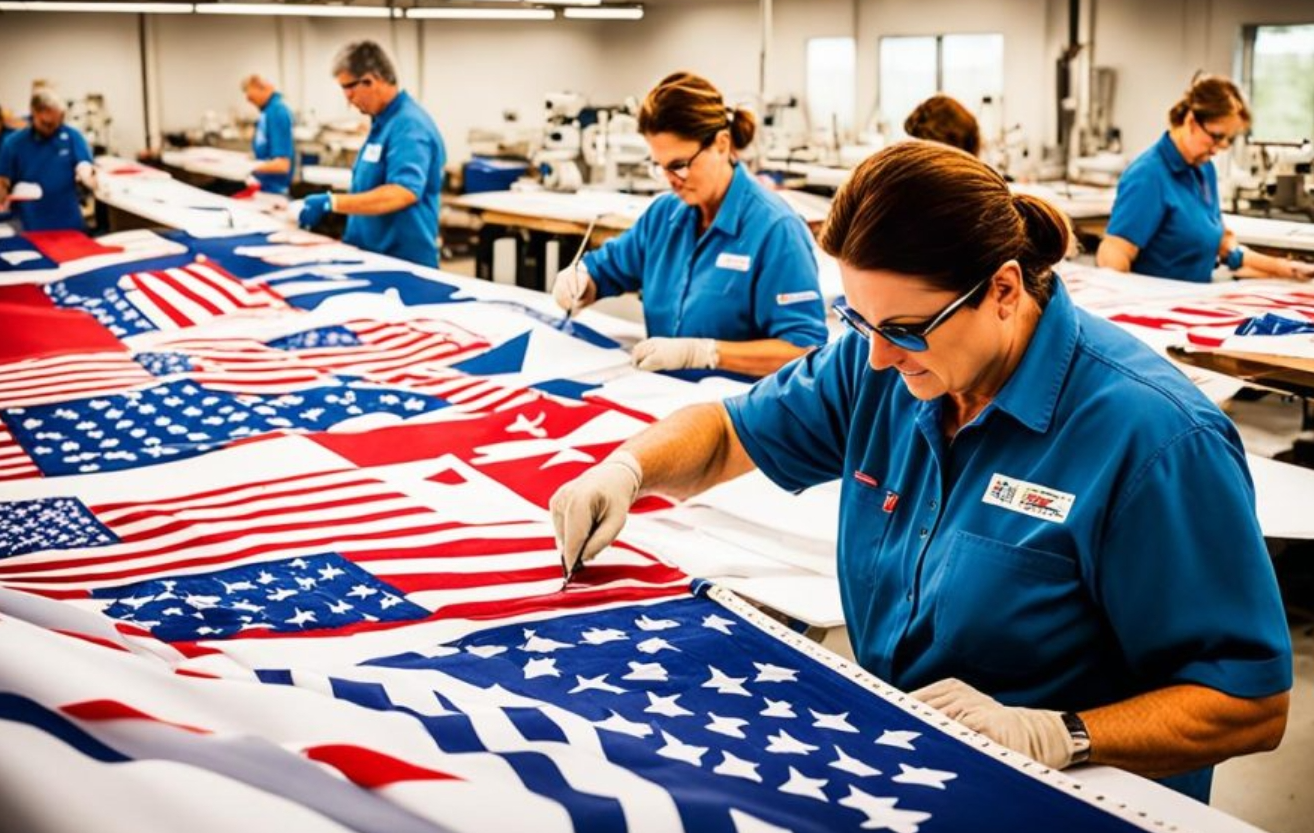
Weather doesn't just fade your flag. It destroys it.
Wind creates the worst damage. Coastal properties and open plains face constant whipping. That beautiful flutter you admire? It's friction tearing fabric apart fiber by fiber. High winds kill flags faster than anything else. A flag flying 24/7 in harsh, windy conditions lasts one-fourth as long as the same flag flown during daylight in calm weather. Chicago's lakefront? Wyoming's eastern plains? Your flag takes a beating. Each gust pulls at grommets. Each snap creates tiny tears at the fly end. Within weeks, you'll see visible fraying.
UV radiation breaks down fabric. Direct sunlight doesn't just bleach colors. UV rays break the chemical bonds holding synthetic fibers together. Darker colors absorb more UV energy. That rich navy blue on your flag? It fades three times faster than white stripes. The weak fibers can't handle normal wind stress. Nylon resists fading better than polyester in sunny spots. But even treated nylon shows color loss after months of 8+ hours of sun exposure each day. The U.S. Government expects flags to last just 90 days under average use from sunrise to sunset. Continuous sun exposure cuts that in half.
Moisture creates a different kind of damage. Rain-soaked flags breed mildew. Those dark spots aren't just unsightly. They're fungal colonies eating your fabric. The damage spreads fast in humid climates. Never fold or roll a damp flag. Spread it flat to dry. Cotton flags absorb water like sponges. They fall apart within months outdoors. Synthetic fabrics shed water better. But even nylon holds 4% of its weight in moisture. That extra weight stretches the fabric. Wet-dry cycles weaken the fibers for good.
Winter conditions add stress. Snow and ice pile up on fabric. The weight bends the material. Water freezes inside fibers. Ice crystals expand and make the fabric brittle. A flag that moves smoothly in summer becomes stiff in freezing temperatures. It cracks easily. Switch to smaller flags during snowy months. Less surface area means less ice buildup. This reduces strain on both fabric and grommets.
Proven Methods to Extend Your Flag's Lifespan
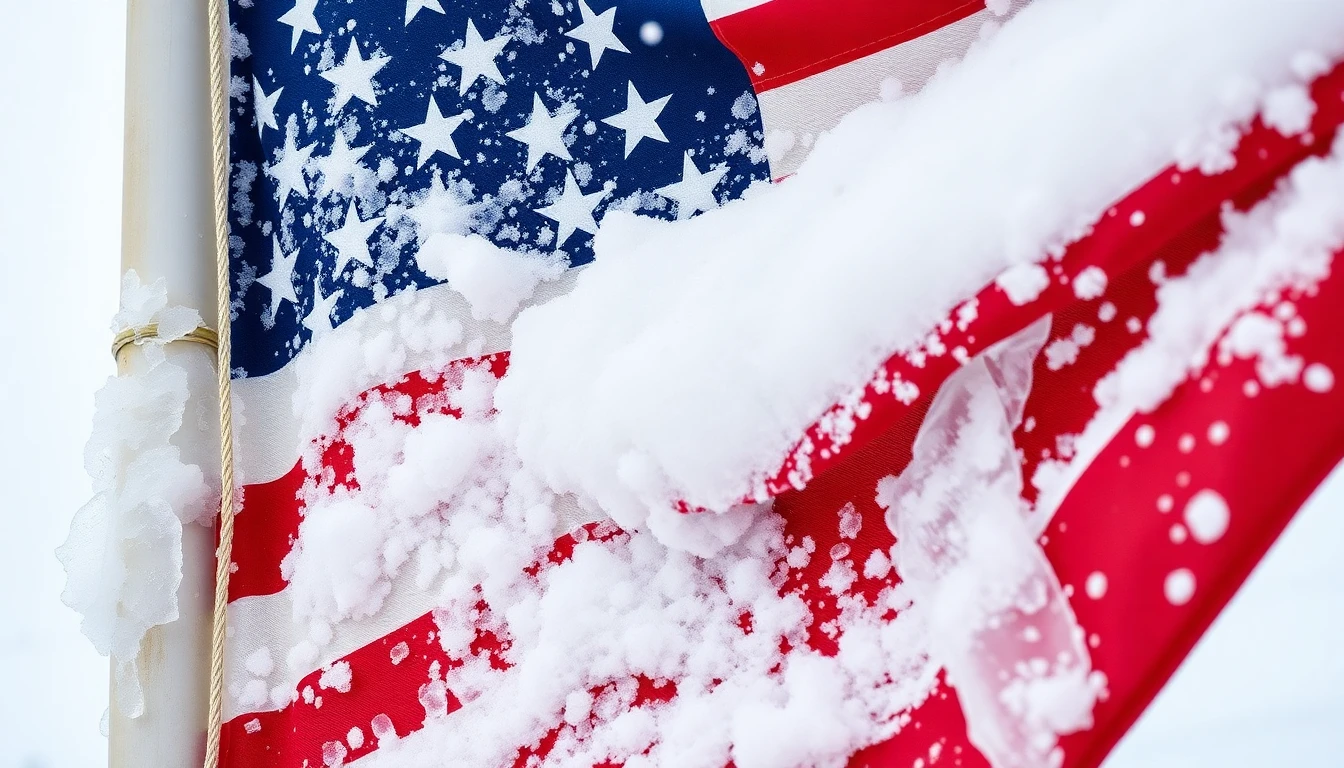
Simple habits separate flags that last three months from those that survive two years.
Take your flag down at night. This one change doubles your flag's life. Night brings dew, temperature swings, and trapped moisture. A polyester flag flying 24/7 lasts just 3-6 months. Pull it down at sunset? You get 6-12 months instead. The math is simple: half the exposure means twice the life. Commercial properties can't always do this. But residential flagpoles? You control when that flag flies.
Remove your flag when wind hits 20 mph. Strong gusts create whipping action that shreds fabric. Each snap stresses the end. Each flutter pulls at stitching. Your weather app shows wind speed. Check it before storms roll in. Bring the flag inside when numbers climb. This single step prevents 40-60% of physical damage. Your flag won't develop those frayed edges that scream "replace me."
Invest in 200-denier polyester instead of 150-denier. The thicker weave costs $10-15 more. It lasts 2-3 times longer. Think about it: a $35 flag lasting 18 months beats a $25 flag that falls apart in 6 months. You're spending $1.95 per month versus $4.17 per month. The heavier fabric handles wind stress better. The tighter weave resists UV damage. Your wallet thanks you over time.
Match flag size to your pole height. Make your flag one-quarter to one-fifth of your pole's height. A 20-foot pole needs a 4-5 foot flag. Too large? The extra fabric catches more wind. This creates 40-60% more tearing force. Too small? It looks wrong and doesn't open right. Get the ratio right and your flag moves smoothly without excess stress.
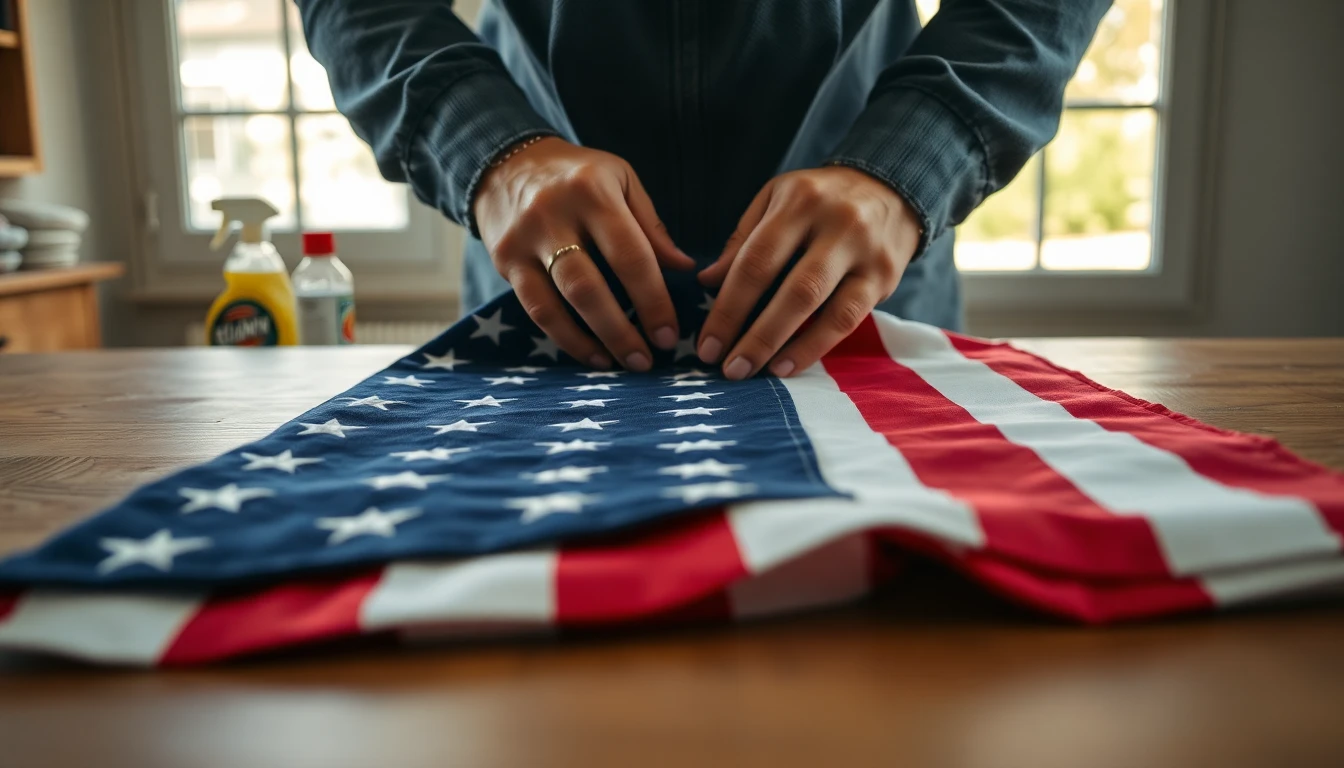
Clean and maintain custom national flags each month. Salt spray, pollution, and pollen stick to fabric. These particles act like sandpaper in wind. Rinse your flag with a garden hose. Use mild detergent for stubborn dirt. Air dry before rehanging. Never use a dryer. This simple wash prevents 30% of chemical breakdown. Coastal properties? Clean every two weeks. Salt breaks down fabric faster than anything except UV rays.
Rotate multiple flags each week. Buy two or three identical flags. Display each one for 5-7 days, then swap it out. Each flag gets rest time between displays. Rotation spreads wear across your collection. A single flag might last 6 months with constant use. Three flags rotated extend that set's total lifespan by 50%. You're flying for 9 months on the same budget.
Upgrade to stainless steel hardware. Cheap brass grommets rust. Corroded metal tears fabric. Plastic clips break in cold weather. Stainless steel costs $5-8 more per flag. It reduces hardware-related damage by 70%. The grommets stay smooth. The clips don't crack. Your flag hangs right instead of twisting and binding.
Store flags right during off-season. Fold your flag dry. Place it in a cool, dark space. Attics get too hot. Basements get too damp. A bedroom closet works best. Good storage adds 6-12 months to lifespan. You protect fabric from UV rays, temperature swings, and moisture. Return it to the pole looking fresh instead of brittle.
These methods don't need special skills. They need attention. What's the difference between a 90-day disappointment and a 2-year investment? Your habits matter more than your first purchase.
When Should You Replace Your National Flag?
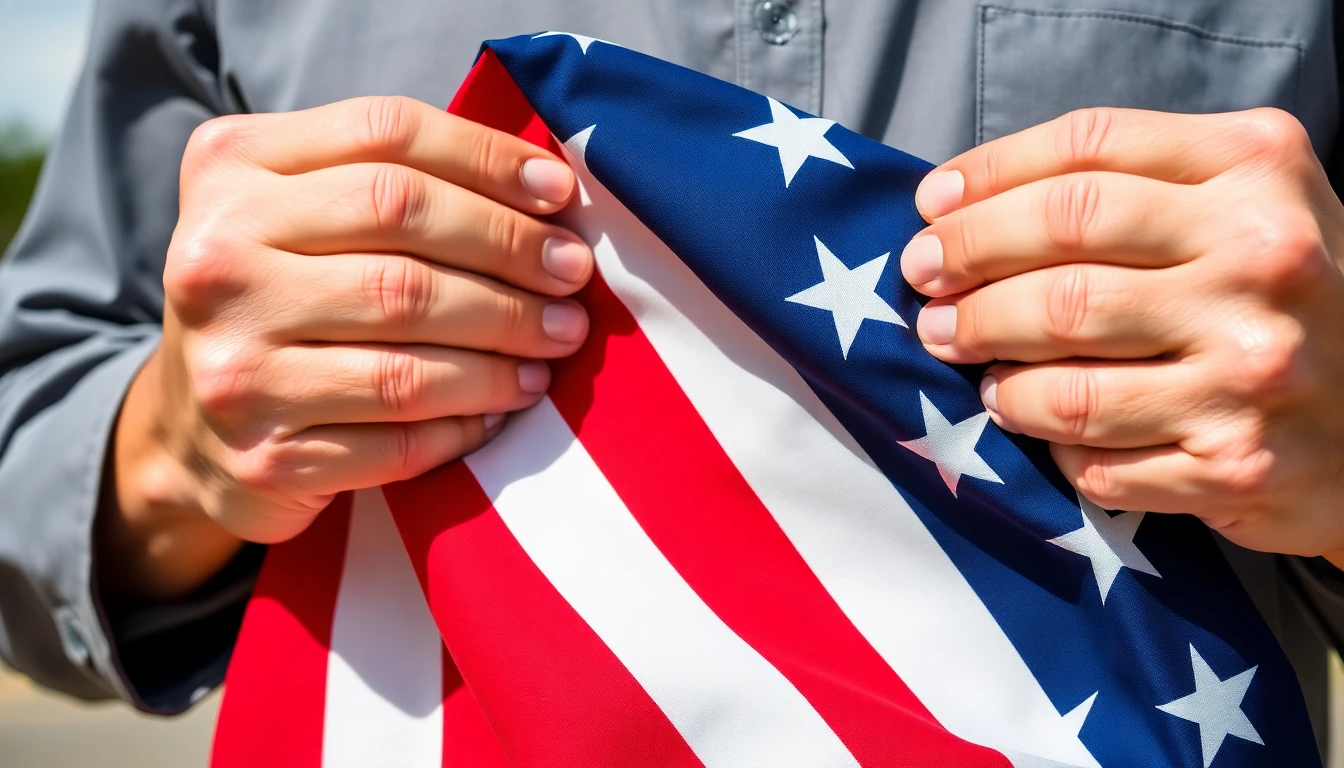
The U.S. Flag Code gives you one clear standard: retire your flag when it's "no longer a fitting emblem for display." That's Title 4, Chapter 1, Section 8k. But what does "fitting emblem" mean?
Look for these five clear signals. Colors shift from vibrant to pale. Red stripes turn pink. Navy blue fades to dusty gray. White sections yellow from pollution and sun. This isn't about personal preference. Faded colors signal UV damage. This damage weakens the entire fabric.
Frayed edges tell you the end is near. Those loose threads at the end? They're not cosmetic issues. Each loose fiber speeds up unraveling. Minor fraying becomes serious shredding within weeks. The fabric comes apart strand by strand.
Tears and holes cross the replacement line. Small snags happen. A single minor tear? You can repair it with outdoor thread. But multiple tears mean the fabric has failed. A missing section of stripes? A hole larger than a quarter? These flags belong in retirement, not repair.
Failed seams and thinning fabric can't be fixed. Run your fingers along the stripes. Does the fabric feel paper-thin? Check where the stars meet the stripes. Separated seams there mean the structure has failed. The flag won't survive the next storm.
⚠ Signal 1
Faded Colors
Reds turn pink, blues turn dusty gray
⚠ Signal 2
Frayed Edges
Loose threads at the fly end, unraveling
🚫 Signal 3
Tears & Holes
Multiple tears, holes larger than a quarter
🚫 Signal 4
Failed Seams
Paper-thin fabric, separated stitching
Create a replacement schedule. Government data shows outdoor flags last an average of 90 days with regular display. That's three months. Use Flag Day—June 14—as your annual replacement marker. Inspect once a month between replacements. Coastal properties? Cut that timeline in half. Salt air destroys fabric faster than anything except constant high winds.
Know when repair makes sense. Small tears along a single stripe? Repair them. Damage across multiple sections? Replace the flag. Too many patches dishonor the symbol more than retirement does.
The right question isn't "Can I squeeze another month from this flag?" It's "Does this flag still represent the dignity it deserves?" Your eyes know the answer.
Cost Planning: Flag Replacement Frequency by Usage Type
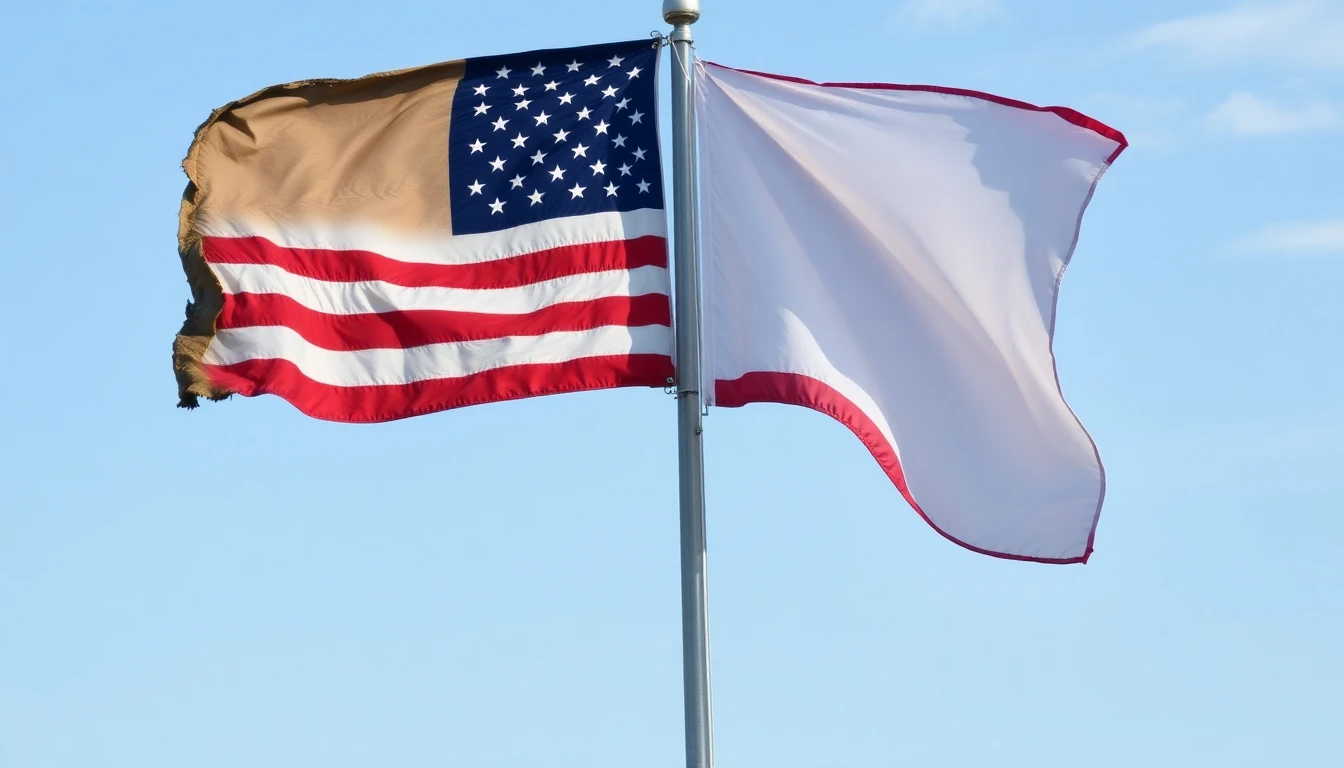
Budget season gets tough without knowing how many flags you'll need next year.
Daily display creates predictable costs. Your flag flies from dawn to dusk every day? Plan for four replacements per year. That 90-day average is real. Government purchasing data and commercial property management records back it up. A $40 polyester flag becomes $160 per year. Add tax and shipping? You're at $180-200 per pole. Municipal buildings with three poles? Budget $540-600 minimum. The numbers add up quick.
Part-time use cuts costs in half. Display on weekends only or special occasions? Your replacement cycle stretches to 4-6 months. Two flags per year instead of four. The same $40 flag now costs $80 per year. Parks that display flags during events save 50-60% compared to constant display. Display on holidays only? One quality flag lasts 2-3 years. That's $13-20 per year instead of $160.
Indoor flags become long-term assets. Conference rooms, schools, courthouses—these controlled spaces protect fabric from UV and weather stress. A $50 indoor flag survives 12-18 months minimum. Many last three years with basic care. Budget $17-50 per flag each year for replacements. Compare that to outdoor constant use at $160. The cost difference is huge.
Create a custom flag budget plan for the year now. Count your poles. Track your display hours. Take pole count and apply replacement frequency. Constant use × 4 flags. Part-time × 2 flags. Indoor × 1 flag every 18 months. Add 15% for emergency replacements after storms. That backup fund saves you from panic buying. Storms can destroy multiple flags in one week.
High-Durability Flags from RunCustomFlag.com

RunCustomFlag.com makes flags that last 200-300% longer than store-bought options. The secret? We use 300-denier polyester fabric.
Most flags use 150-200 denier material. We start at 300D. The tighter weave blocks UV rays before they reach the dye. It's like sunscreen woven into the fabric. Lab tests show these flags survive 2000+ hours of direct sunlight per ASTM G155 standards. That equals two full Arizona summers.
Construction details matter just as much as fabric. Laser-cut edges stop fraying before it starts. No loose threads to unravel in wind. Double-stitched hems use UV-resistant thread. The seams stay strong when cheap flags rip apart. Dye sublimation ink soaks into fibers instead of sitting on top. This printing lasts 2-3 years outdoors. Screen-printed custom flags fade in 6-12 months.
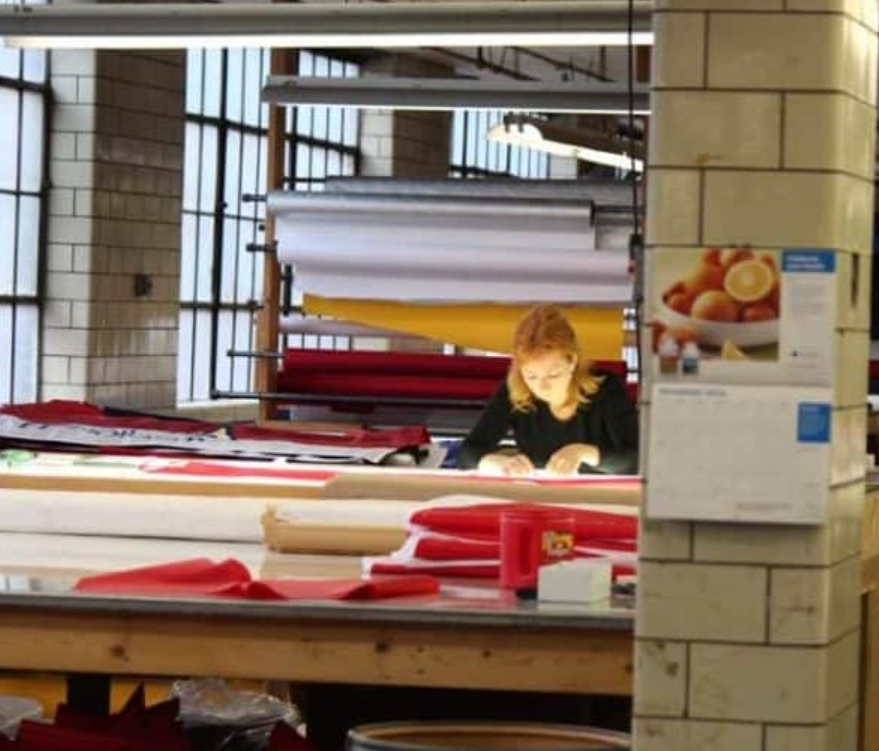
We produce flags in a 15,000㎡ ISO 9001:2015 certified facility. Six production lines run at the same time. Twelve sublimation printers keep colors consistent across batches. Eight cutting tables handle custom national flag sizes from 90×150cm national flags up to 8'×12' commercial displays. Our national flag factory ships 10,000+ custom flags daily. We maintain a 99.8% quality pass rate.
Specialized Options for Extreme Conditions
High-wind areas need mesh fabric. The material has 30% open area. Wind passes through instead of pulling against solid fabric. This cuts wind load by 50%. Coastal and mountain properties benefit most. Your flag moves smoothly instead of whipping around.
The 115g polyester handles standard outdoor use. A DWR (durable water repellent) coating makes rain bead up and roll off. Flags dry in 30-60 minutes instead of staying wet for hours. Less moisture means less mildew. The tight weave blocks UV rays. Double-stitched edges prevent fraying that destroys standard flags in weeks.
Vinyl banners (13oz weight) work for permanent setups. The material blocks all light. It's waterproof and tear-resistant. Large commercial displays work best with this option. The vinyl holds graphics for 3+ years even in harsh weather.
Embroidered details outlast printed ones. Stars and stripes use heavy thread sewn into the fabric. No peeling. No fading after a few months. Printed stars fail in 6-12 months. Embroidered features last as long as the flag itself.
Brass grommets resist rust in salty coastal air. Canvas headers on smaller sizes spread tension across the flag. We select every component for long life, not just the fabric.
Conclusion
National flag service life isn't just about replacement timing. It's about protecting your investment and respecting your national symbol. The reality? How you treat your flag determines how long it lasts.
A quality nylon flag serves you well for 12-18 months outdoors. Polyester outdoor flags last even longer in harsh coastal conditions. Here's what really matters: Smart material selection, strategic placement, and consistent maintenance can double or triple these timeframes.
Stop thinking of flags as disposable. Think of them as maintainable assets. Bring them in during severe storms. Rotate display flags often. Invest in UV-resistant flags upfront. This beats replacing cheap alternatives every few months. The math is simple: One premium flag lasting 18 months costs less than three budget flags replaced every quarter.
Ready to make a smarter choice? Explore RunCustomFlag's commercial-grade flag collection built for extended outdoor use. Your flag—and your budget—will benefit.