Why Most Flag Damage Happens During Cleaning, Not During Flying
Your American flag survived months of wind, rain, and UV exposure. Then you tossed it in the wash and it came out faded, bleeding red into the white stripes, or with frayed edges that were barely noticeable before. That is the most common way flags get ruined — not by weather, but by well-intentioned cleaning done wrong.
The difference between a flag that lasts one season and one that lasts three usually comes down to two things: knowing what material you have, and adjusting your method accordingly. Nylon, polyester, and cotton each react differently to water temperature, agitation, and heat. Get it right and a good wash actually extends your flag's life. Get it wrong and you accelerate the exact damage you were trying to prevent.
Figure Out What Your Flag Is Made Of Before You Touch Water
Most people skip this step, and it is the single biggest reason cleaning goes sideways. A nylon flag and a cotton flag need fundamentally different handling, and guessing wrong can cost you the flag.
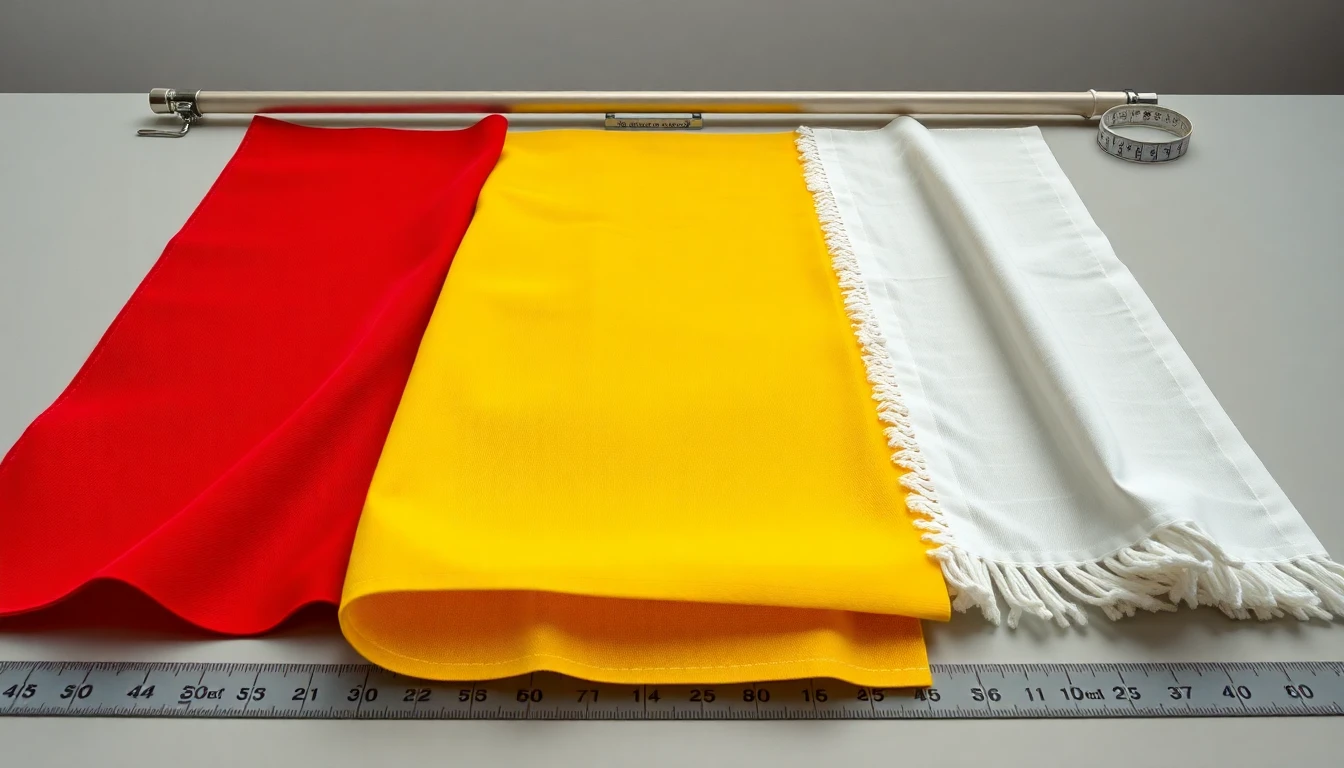
Pick up your flag and run your fingers across the fabric:
Nylon
Feels smooth with a slight sheen — lightweight, flutters in even a light breeze. Most residential flags fall into this category.
Polyester
Noticeably heavier with a matte, almost rough texture. Built for high-wind areas or 24/7 display.
Cotton
Obvious natural weave, richer colors, and a density that feels substantial in your hand.
Once you know the material, check the condition. Look along the fly end (the side opposite the grommets) for fraying or small tears. This matters because washing amplifies existing damage — a tiny tear can become a six-inch rip after one machine cycle. If you find loose threads, trim and repair them first. And inspect the grommets for rust or corrosion, because rusty metal will leave brown stains on wet fabric that are nearly impossible to remove.
Color Bleed Test
One quick test worth doing: dab a wet cotton swab on a colored area and wait five minutes. If the color transfers to the swab, that flag will bleed in water. For cotton flags especially, color bleeding is common enough that skipping this test is a gamble.
Hand Washing: The Method That Works for Every Flag Material
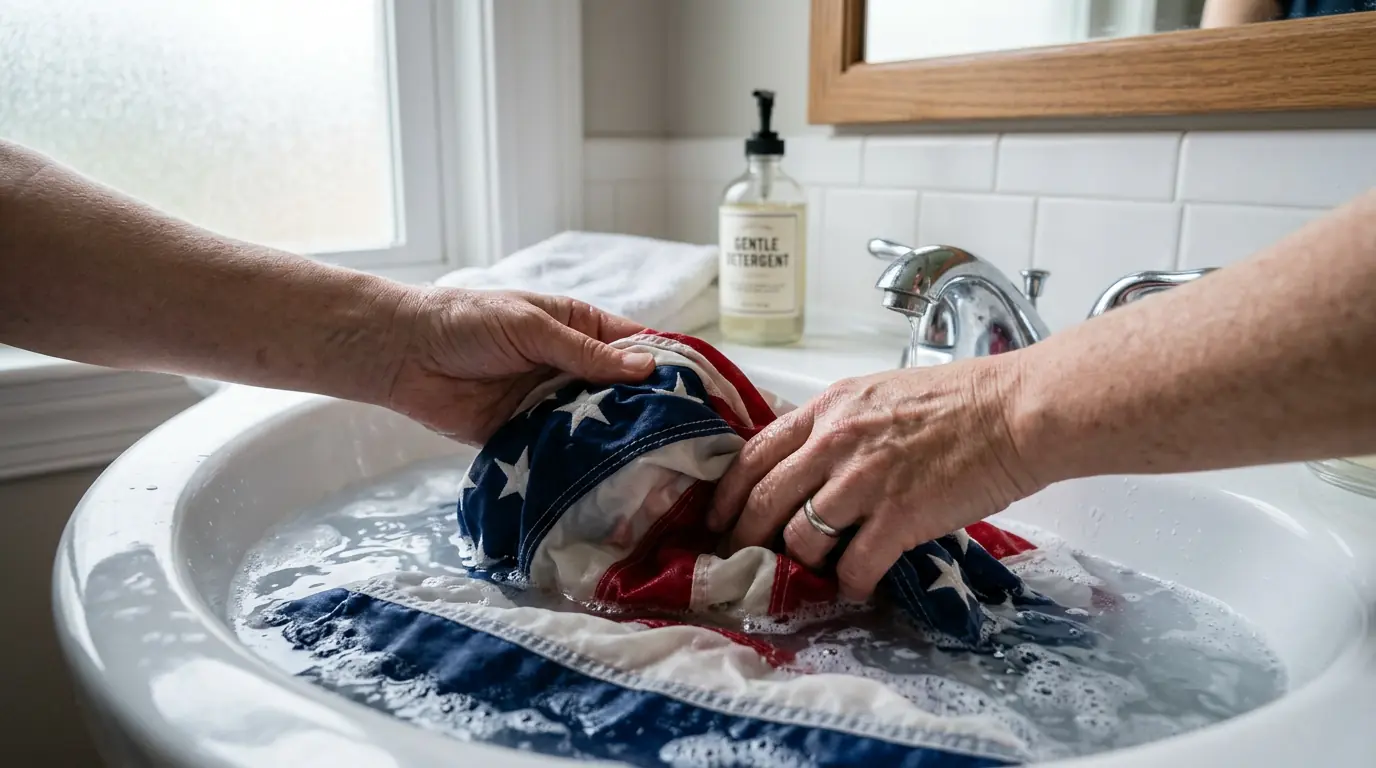
If you are unsure about anything — the material, the condition, whether the colors will hold — hand wash. It is the safest option across the board, and for cotton flags, it is really the only responsible choice.
Fill a bathtub or large basin with cold water. Not warm, not hot — cold. Hot water is the fastest way to make red bleed into white. Add a small amount of mild liquid detergent. Dawn dish soap works fine. So does Woolite or any detergent marketed for delicates. You do not need much — a tablespoon for a standard 3x5 flag is plenty.
Submerge the flag and gently swish it around for three to five minutes. The instinct is to scrub at stains, but resist it. Aggressive scrubbing loosens stitching and can damage printed designs. For stubborn spots, apply a dab of detergent directly to the stain and work it in gently with a soft brush — an old toothbrush works well for grommet areas where grime builds up.
Rinse two or three times in clean cold water until the water runs clear. Soap residue left in the fabric attracts dirt faster once the flag is back outside, which defeats the purpose of washing it in the first place.
The part most people rush: getting the water out. Press the flag gently between your hands or lay it flat on a dry towel and roll the towel up to absorb moisture. Never wring or twist the fabric. Wringing creates crease lines that are hard to remove from nylon and can permanently distort cotton.
Machine Washing: Only for Nylon and Polyester, and Only If You Get the Settings Right
A washing machine is fine for nylon and polyester flags — but cotton and wool flags should never go in one. Cotton shrinks. Wool felts. Both bleed color far more readily under machine agitation.
For nylon or polyester, put the flag in a mesh laundry bag before it goes in the drum. Without the bag, the flag can snag on the agitator or get twisted around other items, which tears stitching and stresses the fabric at fold points. Set the machine to the delicate or gentle cycle with cold water. Use a small amount of mild, color-safe detergent.
Three Things to Avoid Completely
Bleach damages the fibers and fades colors permanently. Fabric softener leaves a residue that actually attracts more dirt and can degrade synthetic fibers over time. Hot water causes the same color bleeding problem as in hand washing, just faster.
The most overlooked mistake happens after the cycle ends. Leaving a wet flag sitting in the drum — even for half an hour — creates the perfect conditions for mildew growth and color transfer between the red and white stripes. Pull it out the moment the cycle finishes.
If your flag is large (4x6 or bigger), check that your machine can handle it without cramming. An overloaded washer does not clean well and creates extra friction that damages fabric. For oversized flags, hand washing in a bathtub is usually the better call.
Spot Cleaning: When a Full Wash Is Overkill
Not every dirty flag needs a full soak. If you have a couple of bird droppings, a streak of tree sap, or some pollen buildup, spot cleaning handles it without the risk of a full wash.
Bird Droppings
Let them dry first — scraping at wet droppings just smears them deeper into the fabric. Once dry, brush off the residue with a soft brush, then dab the area with a cloth dampened in mild soapy water.
Tree Sap
A cloth dampened with diluted white vinegar (roughly one part vinegar to three parts water) usually works. Rubbing alcohol on a cloth is another option for stubborn sap.
Mildew
Signals a bigger problem — the flag was stored damp or not dried properly. Clean with a white vinegar solution, but more importantly, fix the drying and storage routine to prevent recurrence.
After spot cleaning, always air dry the treated area before putting the flag back on display. Even a small damp patch in direct sunlight can create a visible discoloration line.
Pro Tip: For bulk orders of outdoor American flags over 100 pieces,
contact us for special pricing on fade-resistant, machine-washable flags.
Drying: The Step Where Most People Undo All Their Good Work
Never Use a Dryer
Never put an American flag in a dryer. High heat melts nylon, shrinks cotton, weakens stitching, and accelerates color fading across every material type. Even a low-heat tumble cycle causes more cumulative damage than most people realize.
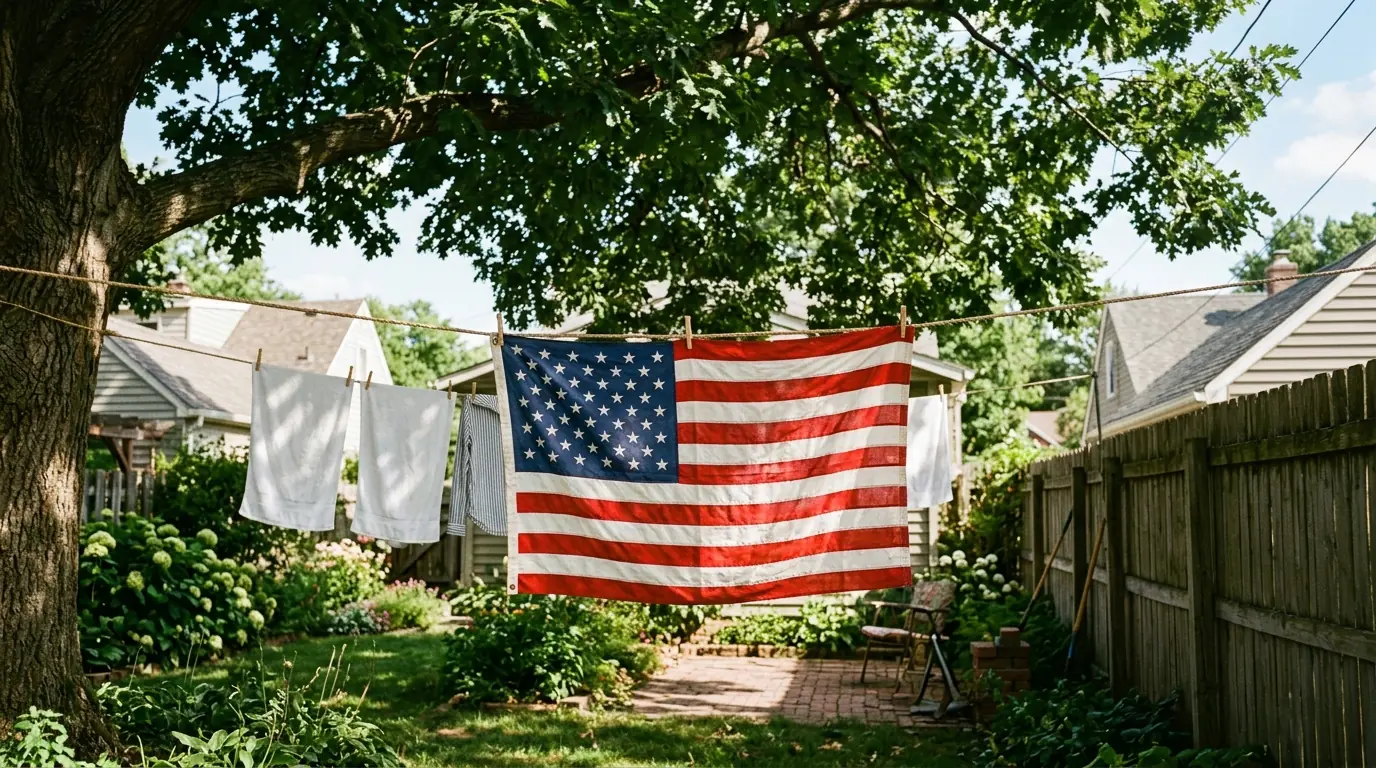
Hang the flag on a clothesline or lay it flat on a clean surface in a shaded, well-ventilated area. Shade matters — direct sunlight during drying fades colors through UV exposure, which is ironic since the flag will get plenty of sun once it is back on display. The difference is that wet fabric is more vulnerable to UV damage than dry fabric.
Make sure the flag is completely dry before you fold or store it. This is not a suggestion — it is the single most important rule of flag maintenance. Trapped moisture causes mildew, musty odors, and color transfer between folds. In humid climates, drying can take longer than you expect, so give it an extra few hours rather than folding it early.
For wrinkles, material dictates your approach:
Cotton
Can handle a cool iron. Place a thin cloth between the iron and the flag as a barrier.
Nylon
Melts under a hot iron. Use a steamer or the lowest heat setting with a cloth barrier.
Polyester
Does not wrinkle much and rarely needs ironing.
How Often Should You Wash Your Flag
There is no single correct answer, because it depends entirely on your display conditions. A flag flying daily in a coastal town with salt spray needs cleaning far more often than one displayed on a covered porch in a dry climate.
3-4
Weeks (Spring/Summer)
6-8
Weeks (Winter)
ASAP
After Major Weather
For daily outdoor display in a typical suburban setting, washing every three to four weeks during spring and summer keeps the flag looking sharp. In winter or during periods of lower pollen and dust, you can stretch that to every six to eight weeks. After major weather events — storms, wildfire smoke, heavy pollen blooms — a rinse or full wash is worth doing regardless of your usual schedule.
The most reliable guide is what the flag looks like. If the colors appear dull or muted, the fabric feels stiff instead of supple, or you can see visible dirt or staining, it is time. Waiting too long lets grime bond with the fibers, making it harder to remove and shortening the flag's overall lifespan.
Before storing a flag for any extended period — winter months, post-holiday — always wash it first. Storing a dirty flag locks in stains and creates a welcoming environment for mildew. And before re-displaying after storage, give it a once-over and wash again if it looks dusty or has developed any musty smell.
Keep It Simple: The Decision That Matters Most
The Golden Rule
If you take one thing from this guide, let it be this: cold water, mild soap, gentle handling. That combination works for every flag material and every situation. The specific technique — hand wash, machine wash, spot clean — is secondary to getting those three basics right.
If your flag is cotton or you are not sure what it is made of, hand wash it. If it is nylon or polyester and in decent condition, a gentle machine cycle with a mesh bag is perfectly fine. If it only has a few spots, spot clean and save yourself the effort of a full wash.
The flags that last longest are the ones cleaned regularly before heavy soiling sets in, dried completely every time, and stored clean in a cool, dry place. None of this is difficult. It just requires doing it instead of putting it off until the flag looks too far gone to save.