Want a custom American flag that matches your vision? You can get one made just the way you want it.
Custom flag printing services have changed how Americans show their national pride. You might need a memorial tribute with special text. Or maybe you want a business promotion with your company details. Perhaps you're planning a unique design for a special event. All of these are possible now.
Standard, off-the-shelf flags are a thing of the past. Online customization platforms give you real choices. You can pick premium embroidered finishes. You can select weather-resistant outdoor materials. All options respect flag code guidelines.
Here's the challenge: countless vendors claim to offer the best custom USA flag design services. So how do you choose? You need to compare sizing options. Material choices matter. Printing quality varies between suppliers. Pricing structures differ too.
This guide breaks down the entire customization process. We compare the most reliable online suppliers of national flags. You'll find insider tips that save you time and money. Plus, your custom American flag will look stunning for years to come.
Understanding American Flag Customization Options
The American flag follows strict design specs set by Executive Order 10834. Every real flag must maintain a hoist (width) to length ratio of 1:1.9. This applies whether you order a massive 20ft x 38ft banner or a compact 7ft x 11ft version.
Standard Size Options
Flag customization options start with picking the right dimensions. The most common sizes include:
20×38 ft
Large commercial buildings and major public displays
10×19 ft
Medium businesses and institutions
8.95×17 ft
Residential flagpoles and small businesses
7×11 ft
Indoor ceremonies and compact outdoor spaces
Each size keeps the required 1:1.9 proportion ratio. Your supplier should calculate the correct dimensions after you specify either measurement.
Design Elements You Cannot Change
Here's what stays the same: 13 horizontal stripes alternating red and white. The union (blue field) contains 50 white stars representing all states. Federal specification fixes these elements.
The custom flag sizes you select must preserve these design ratios. A 10-foot flag needs stars and stripes sized to match a 20-foot version.
What Customization Means
Most people get American flag customization wrong. You cannot add text, logos, or graphics onto the flag itself. Federal law (4 U.S.C. §3, §5(g)) bans placing "words, figures, marks, pictures, designs, drawings, advertisements, insignia, or letters" on any flag.
⚠ Federal Law Warning
Breaking this law counts as a misdemeanor in D.C. Fines reach up to $100 or imprisonment up to 30 days.
Real custom USA flag design focuses on three areas:
Material selection – Choose between nylon, polyester, cotton, or embroidered options based on indoor versus outdoor use.
Finishing details – Select grommets, pole sleeves, or fringe additions that suit your display method.
Size specifications – Order non-standard dimensions within the 1:1.9 ratio for unique installation needs.
Materials That Affect Longevity
Embroidered American flag options use sewn stars and stitched stripes rather than printed designs. These last much longer outdoors. Premium nylon resists fading in sunlight. Heavy-duty polyester handles harsh weather better than standard materials.
Your custom flag materials choice decides whether your flag survives one season or ten years.
Step-by-Step Guide: How to Customize Your American Flag Online
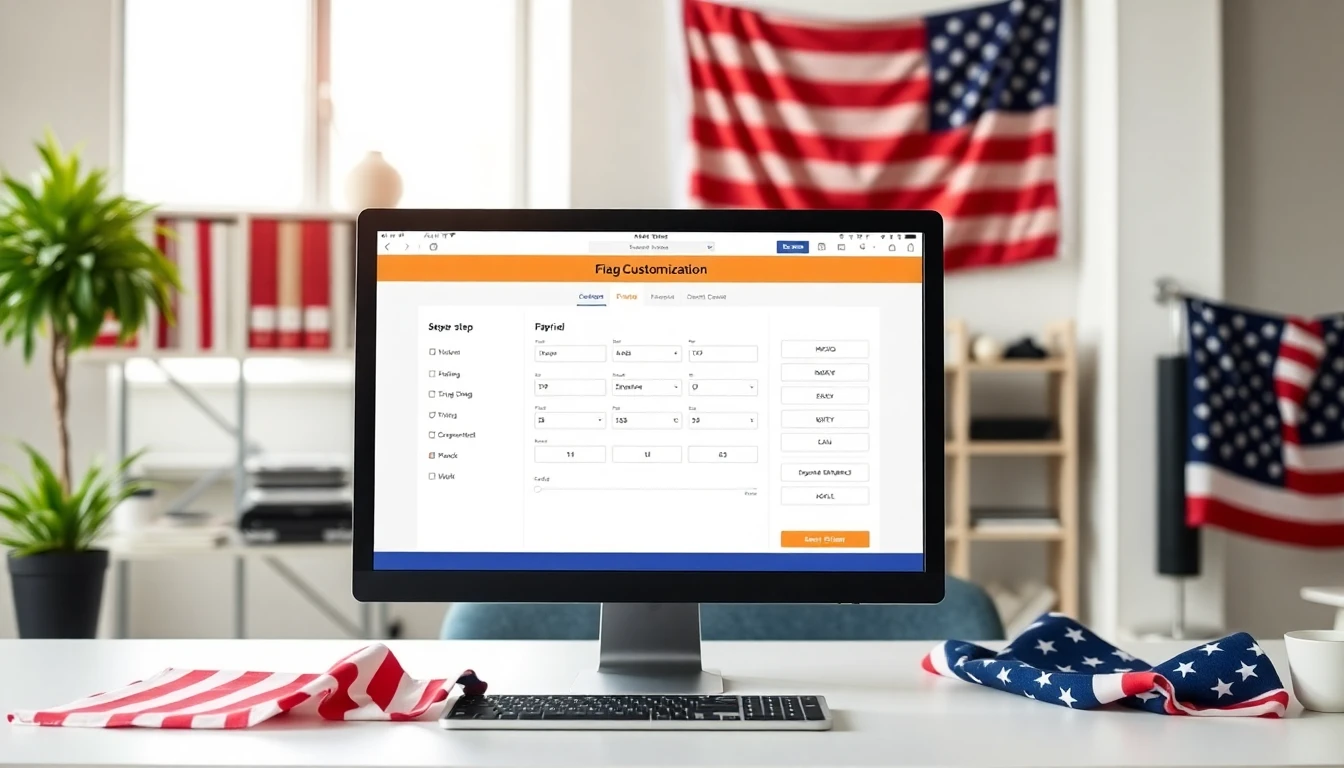
Online platforms break down the process into simple steps. Reputable national flags suppliers use a similar workflow. It takes 15-30 minutes to complete.
Step 1: Select Your Base Specifications
Start by choosing your flag size. Enter the width or length into the supplier's calculator. The system calculates the other dimension. This keeps the required 1:1.9 ratio.
BestFlag.com offers two printing options at this stage:
Single reverse printing – The design shows properly on the front. The back displays a mirrored image with 50-90% color bleeding through the fabric.
Double-sided printing – Both sides show the same design. This costs 40-60% more but removes the mirror effect.
Outdoor flags usually use single reverse printing. Indoor displays work better with double-sided options.
Step 2: Choose Your Design Method
You have three options based on your skills and time.
Online design tools work best for basic projects. Carrot-Top Flags gives you access to Canva's free flag maker through their platform. The drag-and-drop tool needs no design experience. You can upload logos, add text, and import images in minutes.
Here's what different design tools offer:
Downloaded templates suit users who know design software. BestFlag.com gives ready-made templates for Adobe Illustrator, Photoshop, and InDesign. Work offline at your own pace. Then upload the finished file.
Professional design services do all the work for you. Carrot-Top charges a flat $40 fee for their team to create your flag from scratch. You describe what you want. They build it. This removes all technical hassles.
Step 3: Upload Your Artwork
Vector files (.ai or .eps format) give the sharpest results. Export your design at the highest resolution possible.
Check file format requirements. Most national flags suppliers accept:
- AI (Adobe Illustrator)
- EPS (Encapsulated PostScript)
- PDF (high-resolution, embedded fonts)
- PNG (minimum 300 DPI)
Carrot-Top charges an extra $40 reformatting fee if your file needs conversion or cleanup. Submit print-ready artwork to save this cost.
Upload custom fonts and logos through the platform. The system checks file compatibility right away. You'll see error messages if resolution is too low.
Step 4: Configure Material and Finishing Options
This step sets your flag's lifespan and look.
Choose between standard nylon, heavy-duty polyester, or premium embroidered construction. Each material reacts to weather in different ways. Indoor flags can use lightweight cotton blends. Outdoor versions can't survive with these materials.
Pick your attachment hardware:
- Grommets – Metal rings for rope attachment (standard outdoor choice)
- Pole sleeves – Fabric tubes that slide over vertical poles
- Decorative fringe – Gold or silver borders for indoor display
Indoor flags often include fancy fringe. Outdoor flags skip this detail. Weather destroys fringe fast.
Step 5: Review and Approve Your Proof
Suppliers create a digital preview within 4-5 business days after upload. Carrot-Top sends this proof via email for your approval.
Check these elements closely:
Spelling accuracy – Typos become permanent once printed
Color matching – Screen colors may differ from final printed results
Design alignment – Stars and stripes must align to design specs
Text legibility – Typography should read well from 30+ feet away
Use 1-2 bold, sans-serif fonts maximum. Script fonts get hard to read from a distance. Balance text, graphics, and empty space to avoid messy designs.
Request changes now. Changes cost nothing at proof stage. Changes after production starts cost $75-$200 depending on flag size.
Step 6: Confirm Order and Delivery
Final approval starts production. Build times vary by material choice:
5-7d
Standard Printed Nylon
5-7 business days production
10-14d
Embroidered Flags
10-14 business days production
2-3d
Rush Orders
2-3 business days (extra 25-40% cost)
Most suppliers email tracking info once your flag ships. Delivery adds 3-5 days for standard ground shipping.
Material Comparison: Choosing the Right Fabric for Your Custom Flag
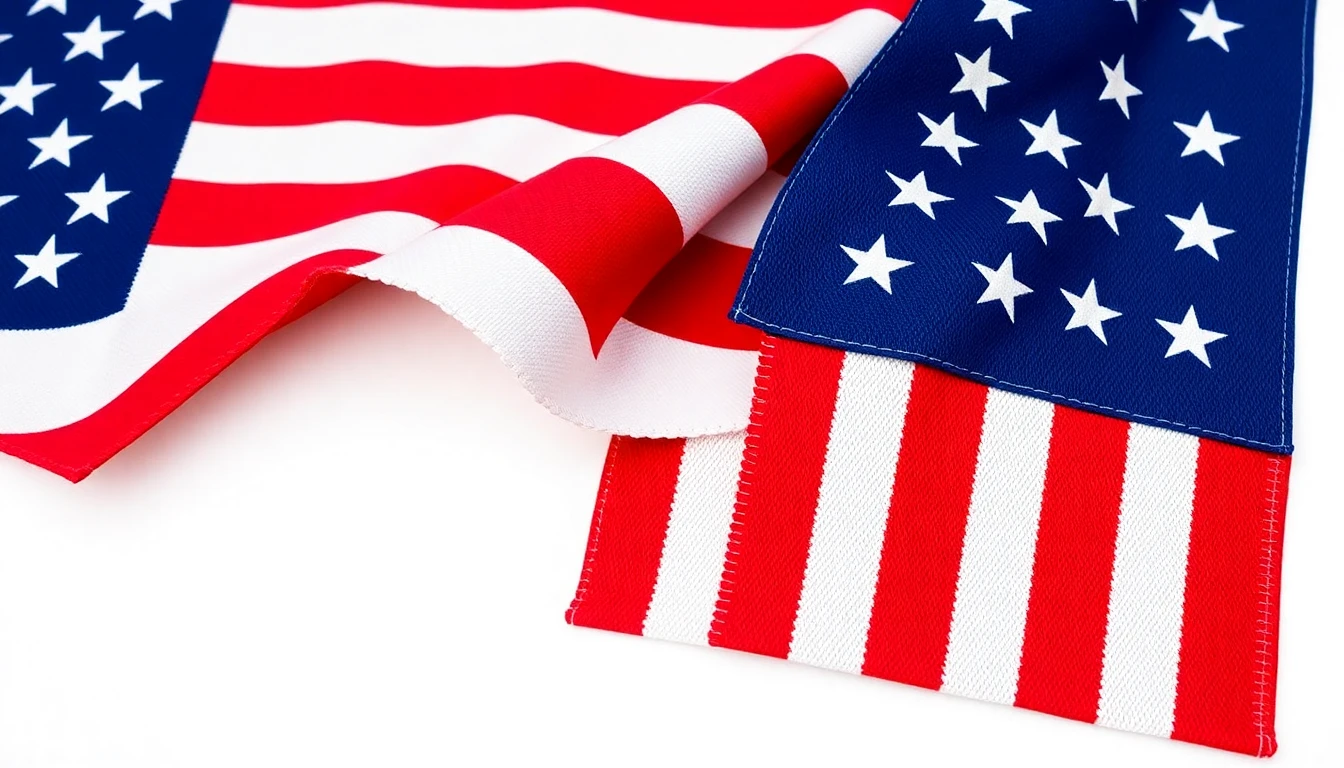
Your fabric choice decides if your custom American flag lasts six months or six years outdoors.
Three main materials lead the custom national flag materials market: nylon, polyester, and cotton blends. Each one reacts differently to sun, wind, and rain. Pick the wrong material and you'll waste money replacing flags too soon.
Nylon: The Lightweight Champion for Vibrant Colors
200-denier nylon gives you the brightest red, white, and blue colors you can find. The lightweight build catches even the smallest breeze. This makes nylon ideal for home flagpoles in areas with light to medium winds.
Nylon dries faster than other fabrics after rain. The material fights wrinkles on its own. You get a crisp, professional look without ironing.
Nyl-Glo nylon improves on standard nylon with better color hold. The premium weave stands up to moderate winds better than basic nylon. You'll pay 15-25% more than standard nylon for this boost in quality.
Here's the tradeoff: nylon tears easier than polyester in tough conditions. High-wind areas shred nylon flags within 8-12 months. Coastal areas with salt spray make this happen even faster.
Nylon works best for:
- Home display in protected spots
- Parades and temporary events
- Indoor ceremonies that need bright colors
- Places with light to moderate winds
Price point: $25-$85 based on size. Costs less than polyester.
Polyester: Maximum Durability for Harsh Conditions
2-ply spun polyester has twice the strength of nylon. The heavy build handles nonstop outdoor display in extreme weather. Large flags above 8ft x 12ft need this strength to avoid tears.
The open weave cuts down on wind stress. Air flows through the fabric instead of pushing against it. This adds 3-5 years to the flag's life compared to tight-weave materials.
Premium 2-ply spun polyester comes with these features:
- Stars: Thick embroidery with white thread; sewn-on patches for flags 15ft x 25ft and bigger
- Stripes: 4 rows of lock stitching at the end; 6 rows for 8ft x 12ft and bigger
- Seams: Double-needle build with extra-strong thread and back-stitch reinforcement
Standard polyester gives you medium durability at lower cost. The heavier weight makes this fabric fully waterproof. Rain slides off without soaking in. But standard polyester needs stronger winds to move well. The fabric hangs still in calm air.
Knitted polyester blends the best of both types. The stretchy build works well in all weather. This premium choice costs 20-30% more than standard polyester.
Color hold: Polyester's flat finish keeps color longer than nylon in harsh sun. The material stays sharp after 18-24 months of constant exposure. Nylon starts losing color around 12 months.
Polyester works best for:
- Business buildings with nonstop display needs
- High-wind coastal areas
- Large flags over 10ft x 19ft
- Places with lots of rain or humidity
Price point: $45-$150 based on ply count and size. Costs the most upfront, lasts the longest.
Cotton and Poly-Cotton Blends: Traditional Aesthetics
Cotton gives you an authentic historical look. The soft feel and natural fibers match flags from past centuries. Museums and historical groups choose cotton for period accuracy.
Pure cotton wears out fast outdoors. UV rays break down natural fibers within 6-9 months. Poly-cotton blends (usually 65% polyester, 35% cotton) fix this issue. The synthetic fibers add strength while keeping cotton's classic look.
These blends catch light winds with ease. Color hold matches cotton's natural look. Budget-minded buyers save 20-40% compared to pure polyester.
Cotton works best for:
- Indoor display and ceremonies
- Historical reenactments that need period accuracy
- Short outdoor events (festivals, parades)
- Light-wind home areas with covered display
Price point: $20-$65 based on size. Lowest cost choice.
Making Your Final Decision
Match fabric to your specific needs. High winds need 2-ply spun polyester strength. Light breezes show off nylon's bright colors. Tight budgets work with poly-cotton blends.
Outdoor custom flags face constant UV rays, wind stress, and moisture damage. Premium materials stop you from replacing flags in the first year. A $150 2-ply polyester flag lasting 5+ years costs less than replacing a $45 nylon flag every 12 months.
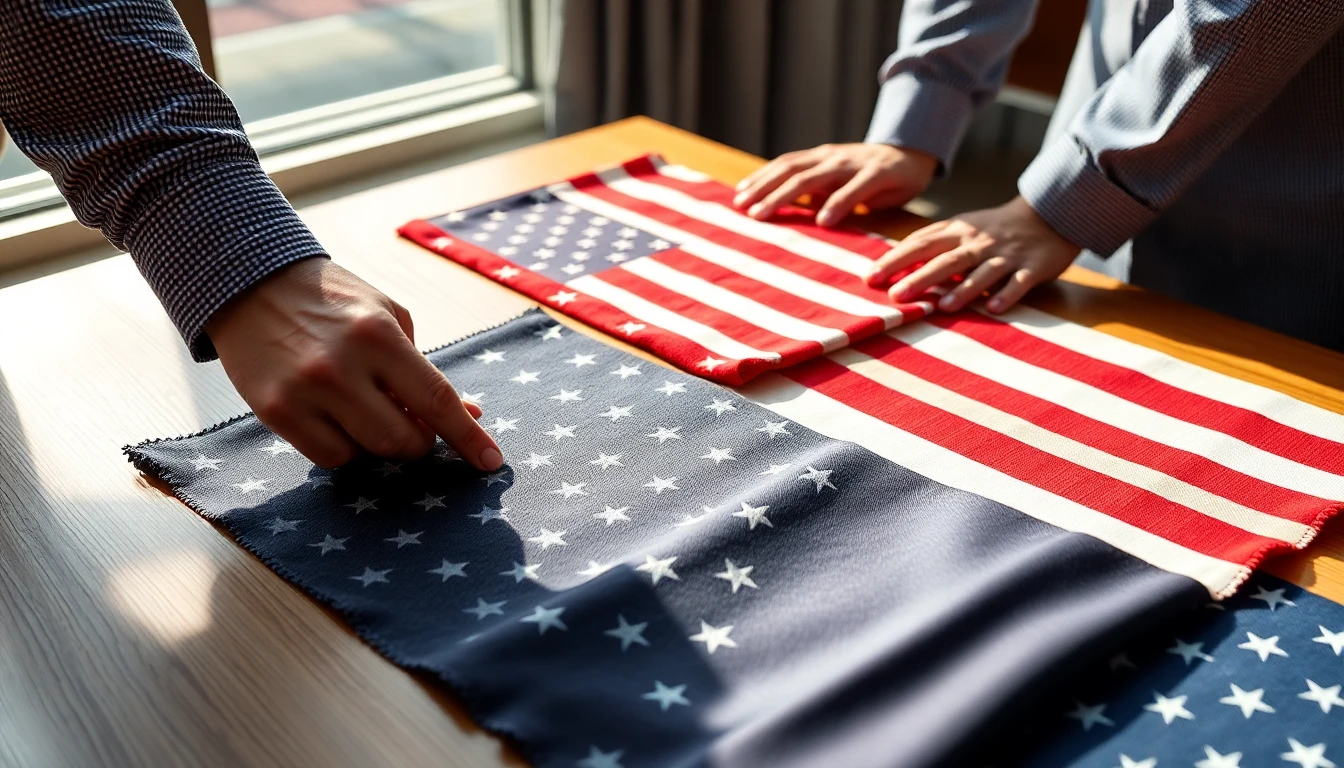
Ask for fabric samples before buying in bulk. Feel the weight. Check color brightness under natural light. Compare stitch quality from different sellers. These simple checks show build differences that product photos miss.
Where and How to Purchase Custom American Flags Online
Ten vetted suppliers lead the custom national flag printing services market right now. Each supplier has different strengths. Your budget, timeline, and quality needs determine the best choice.
The smart move? Match your needs to the right national flags supplier's specialty. Need just one flag with no minimum order hassle? Custom Flag Company handles singles without markup. Running a bulk order for a corporate campus? Valley Forge's wholesale pricing beats retail by 30-45%.
Here's the breakdown of the best platforms and what makes each one worth your time.
Top-Rated Direct-to-Consumer Platforms
The Custom Flag Company (customflagcompany.com) solves the biggest pain point in custom ordering: minimum quantities. You can order a single 3'x5' flag—their most popular size—without paying bulk pricing penalties.
They use 200-denier Solar Max nylon for flags that flutter in light winds. The shiny finish catches sunlight better than standard nylon. Their two-ply polyester option gives you extreme weather durability. Plus, it has a cotton-like feel.
All flags feature sewn stripes and embroidered stars. The FMAA certification confirms 100% American national flags manufacturing. Price breaks start at quantities of 3-25 through their online system. Orders of 50+ need a phone call for custom quotes.
Lead time runs 2-3 weeks from proof approval. Upload vector artwork through their platform for best results.
Flag Store USA (flagstoreusa.com) specializes in unlimited color options. Price stays the same regardless of colors. Their 200-denier nylon with direct printing from artwork means complex designs cost the same as simple ones.
Zero setup charges. Production completes in 10 business days from proof approval. Rush service available by phone. Quantity discounts start at 3+ flags—email [email protected] for exact pricing.
Anley Flags (anley.com) built the easiest online design tool in the industry. Three simple steps: pick size and add-ons, upload your image and select colors, then checkout with special requests noted. Their system handles residential and commercial size changes on its own.
Heritage Manufacturers Worth the Premium
Annin Flagmakers (annin.com) has made American flags since 1847. They're the oldest continuous flag maker in the country. Three domestic factories employ 500+ US workers producing 4,000+ products.
Custom flags get printed or screen-dyed to your exact specs. Here's the catch: Annin doesn't sell direct to consumers. You must buy through their national retailer and distributor network. Call their main line for the closest authorized dealer in your area.
Eder Flag (ederflag.com) is the nation's largest flag and flagpole maker since 1887. The employee-owned company runs custom American flag orders through their online platform. Their size gives them buying power for premium materials at good prices.
Specialized Service Providers
FlagandBanner.com offers free quotes for projects needing custom printing, sewing, or embroidering. Expert designers work with you from concept to completion. All production happens in the USA.
Their platform has separate categories for custom banners, flags, flagpoles, and mounting accessories. This one-stop approach works well for complete installation projects.
Gettysburg Flag Works (gettysburgflag.com) runs a phone-first business model. Call 1-888-697-3524 to speak with specialists. They walk you through customization options. This hands-on approach suits buyers who prefer talking through details over email.
Wholesale Options for Bulk Buyers
Valley Forge Flag (valleyforgeflag.com) has made flags in the USA for over 100 years. Their wholesale pricing structure rewards volume buyers. Businesses, schools, and government agencies save big compared to retail platforms.
Request a wholesale account through their business portal. Approval takes 24-48 hours. Minimum order quantities exist but pricing drops 35-50% below consumer platforms.
Quality Certifications That Matter
Look for The American Wave® quality mark. Compare suppliers based on this. LibertyFlags.com and ShowAllegiance.com both display this certification. It confirms 100% American national flags manufacturing with US materials.
These certifications aren't marketing fluff. They verify third-party audits of material sourcing, factory locations, and worker conditions. Flags without these marks may claim "Made in USA" while using imported materials or offshore printing.
Making Your Supplier Decision
Pricing Guide: Understanding Custom Flag Costs
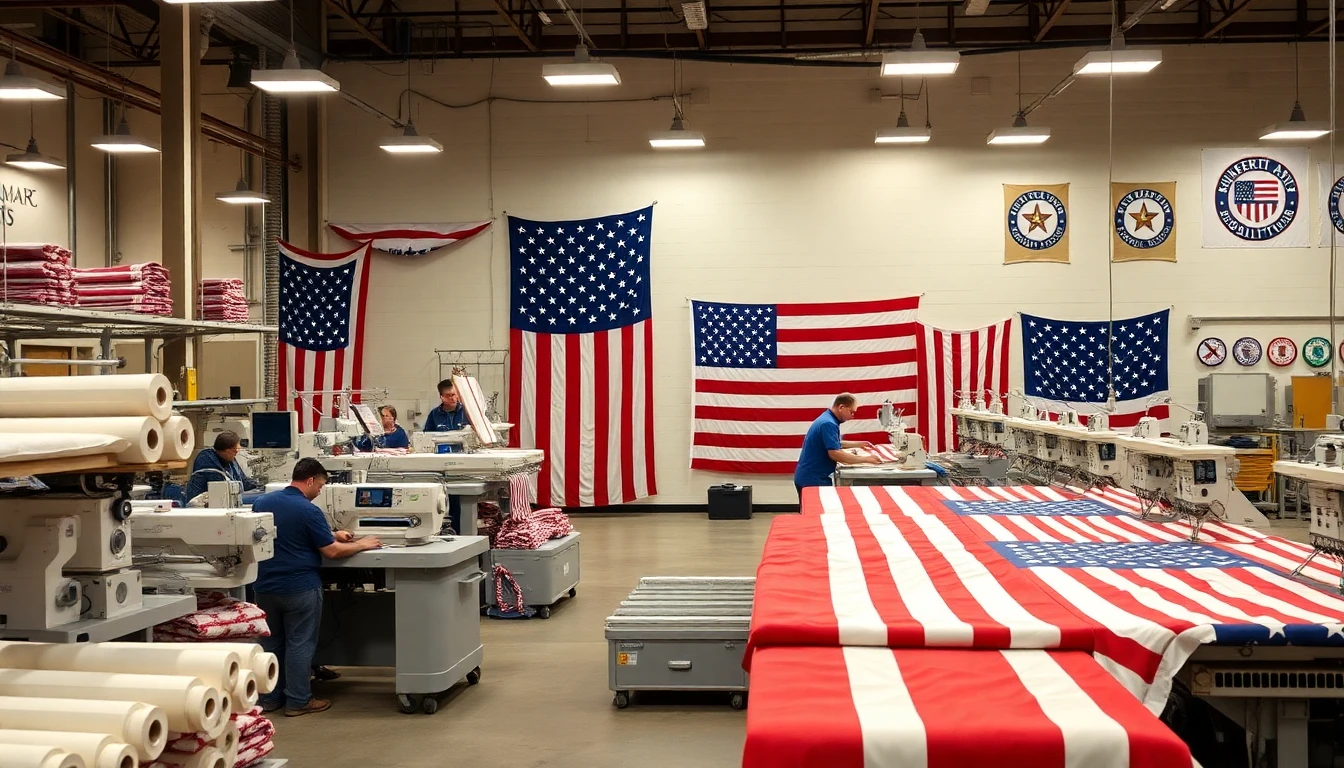
Custom American flag pricing depends on seven core variables. These factors work together to set your final cost.
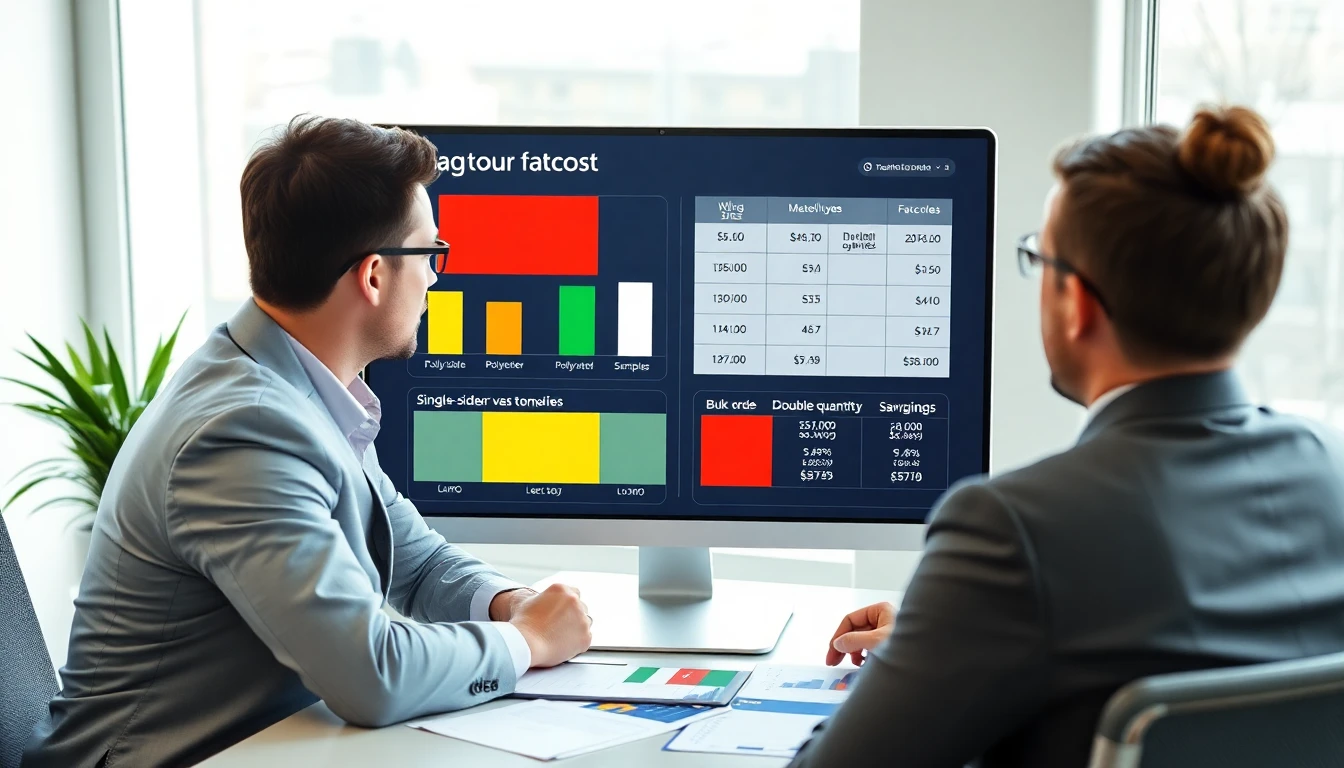
Quantity decisions create the biggest price changes. A single 3'x5' custom flag costs 100% of the base price. Order three identical flags and your per-unit cost drops 20%. Six flags bring 35% savings per unit. Twelve flags cut your cost in half compared to ordering singles.
20%
Save w/ 3 flags
35%
Save w/ 6 flags
50%
Save w/ 12 flags
$11.50
Per flag at 100 qty
Here's the math on a real order: 100 standard custom flags with simple designs and limited colors cost about $1,150 total. That's $11.50 per flag. Order just one flag from the same supplier and you'll pay $25-$35 for the same specs.
Size and Material Impact on Budget
Size drives the second-biggest cost factor. A compact 12" x 18" garden flag uses less material. It's faster to produce than a massive 5' x 8' commercial banner. The 3' x 5' size is the most popular. It balances visibility with cost.
Material choice changes your price by 30-50%. Standard 200-denier nylon offers strong build quality at mid-range pricing. Switch to poly-knit fabric and you'll save 15-25% upfront. But expect shorter outdoor life. Premium UV-resistant materials add 20-30% to base costs. They prevent fade damage for 2-3 extra years.
Print Methods and Finishing Costs
Digital printing with unlimited colors costs less than hand-sewn appliqué work. UV-resistant inks don't carry extra fees with most suppliers. Dye sublimation on polyester gives you vibrant PANTONE color matching. It costs the same as standard digital prints.
Single-sided reverse printing is the most popular option. Designs show right on the front. You get 50-90% bleed-through on the back. This is the most budget-friendly choice. Double-sided flags need two separate flags plus a liner between them. This option costs the most at 40-60% higher than reverse printing.
Standard finishing includes header tape plus grommets at no extra charge. Pole sleeves or four-sided hemming cost the same from quality national flags suppliers.
Hidden Expenses That Add Up
Setup fees for new custom designs run $25-$75 based on how complex they are. Rush production adds 25-40% to standard pricing. Large order shipping costs scale up fast. Factor in $50-$200 for freight on bulk orders.
FedEx Office charges $114.99 for a single custom flag with pole hardware included. That unit cost drops fast through dedicated flag suppliers. They offer bulk pricing.
Production takes 4 business days for orders up to 25 units. Larger quantities need more time. Shipping adds 3-5 days on top of production.
Smart Buying Strategies
Order in bulk even if you need flags now. Store extras for replacements. The per-unit savings beat the storage hassle.
Simplify your design. Each extra color or detail increases setup costs. Clean, bold designs with 2-3 colors cost 30% less than complex multi-color artwork.
Think about upfront cost versus life span. A $15 budget flag lasts 8 months. A $45 premium flag survives 3+ years. The cheap flag costs more over time. Calculate total cost of ownership, not just the first price.
Stick with standard sizes where you can. Custom sizes trigger extra fees. The six most common sizes ship faster. They cost less than odd measurements.
American-made flags cost more per unit. But you avoid minimum orders of 500+ that imports require. Unless you're ordering thousands, domestic production gives better value.
Common Questions About American Flag Customization
Buyers hit the same roadblocks ordering custom American flags online. These questions show up in supplier inboxes daily.
Can I Add Text or Logos to My American Flag?
No. Federal law (4 U.S.C. §5(g)) bars adding "words, figures, marks, pictures, designs, drawings, advertisements, insignia, or letters" onto the American flag itself. Break this rule and you face a misdemeanor. Fines reach $100 or 30 days imprisonment in D.C.
Real customization means picking your size, material, and finishing options. The flag's core design stays untouched. Need custom text? Get a separate banner to hang next to your flag.
What's the Minimum Order Quantity?
This changes by supplier. Custom national Flag Company ships single flags with no penalties. Valley Forge Flag needs wholesale accounts with 10-unit minimums. Most suppliers work best at 3-6 flags. That's where bulk discounts start.
Order one flag and pay $25-$35. Buy three identical flags and your per-unit cost drops 20% right away.
How Long Does Production Take?
Standard custom flags take 2-3 weeks from proof approval to delivery. Production runs 5-7 business days. Shipping takes 3-5 days. Embroidered American flag options need 7-10 extra days. The detailed stitching takes time.
Rush service is available. You'll pay 25-40% more for 2-3 day turnaround. Plan ahead and skip these fees.
Conclusion
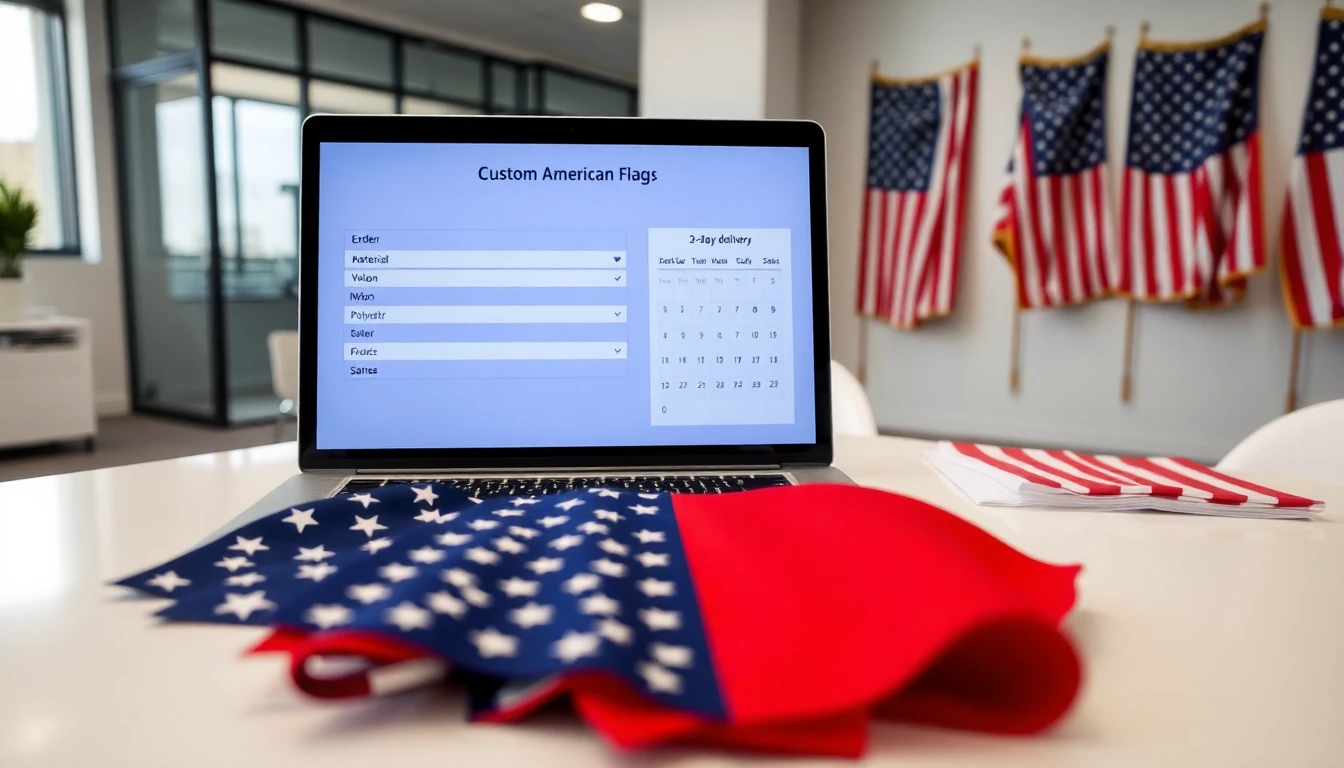
Buying a custom American flag online is easier and more affordable than ever. You need a flag for a memorial, business display, or celebration? Know your material choices, size needs, and design options. This helps you pick right the first time.
Find a reliable custom flag printing service. Look for clear pricing, quality materials, and flexible design choices. Outdoor flags? You need weather-resistant fabrics like nylon or polyester. Indoor ceremonial flags work best with embroidered details and premium finishes.
Skip the generic flags. Create something meaningful that honors our nation's symbols and fits your needs. Start simple: figure out how you'll use the flag. Set your budget. Then explore designs that follow proper flag etiquette.
Ready to bring your vision to life? Browse our custom flag design gallery for inspiration. Use our online configurator to see real-time previews. Or contact our team for personal guidance. Your perfect American flag is just a few clicks away—and it'll be flying high in 5-7 business days.
Video Guide: Ordering Custom American Flags Online
Related Articles