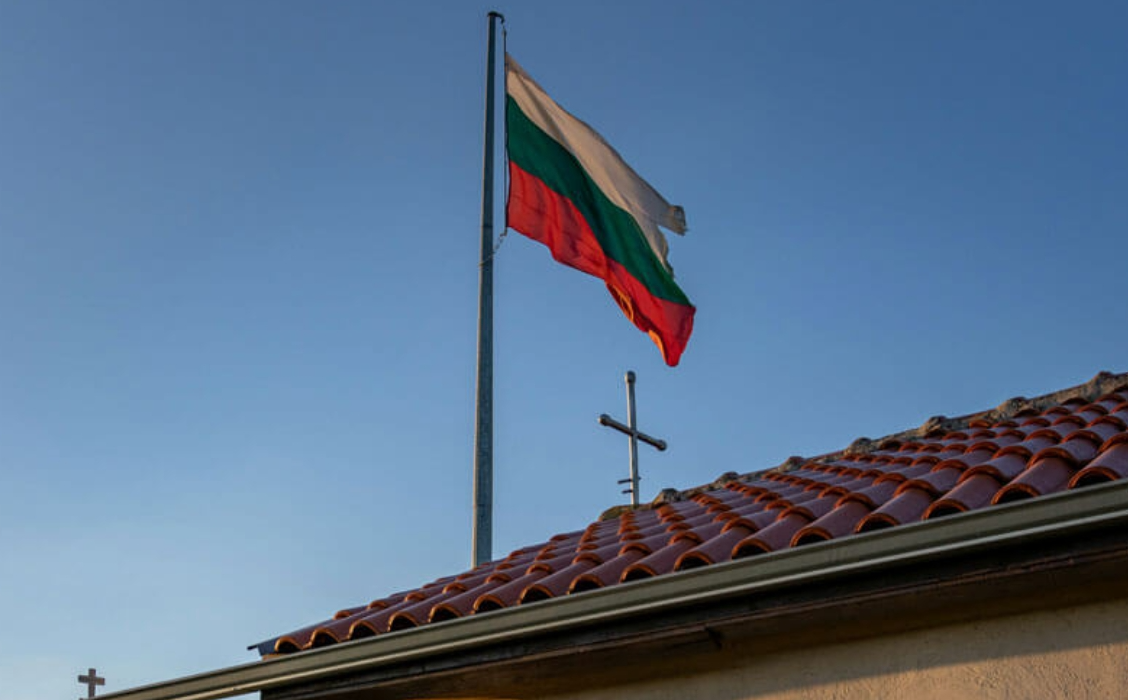
Three horizontal stripes. White, green, red. Simple enough — but every national flag carries the full weight of a country's history and identity. Bulgaria's flag is no different. Those colors didn't just happen.
Someone chose them. Someone fought for them. Someone bled for them. That's what separates what a flag means from what it simply looks like.
For organizations planning historical exhibitions or national celebrations, working with a custom Bulgarian flag manufacturer ensures those symbolic colors are reproduced accurately rather than approximated.
The colors of the Bulgarian flag carry centuries of meaning. Think Ottoman occupation, nationalist uprisings, and a hard-won path to independence. Each stripe tells part of that story. Know the story, and you'll never see that tricolor the same way again.
What Do the 3 Colors on the Bulgarian Flag Represent?
Here's the short version, for anyone who needs it fast:
White
Top Stripe
Peace, freedom, purity, hope
Green
Middle Stripe
Nature, agriculture, fertility, prosperity
Red
Bottom Stripe
Courage, sacrifice, blood shed for independence
That's the summary. Clean. Tidy. Useful for a quiz.
But here's the thing about flag symbolism — the table doesn't quite tell you anything. Not on its own. It's like saying a scar means "skin that healed." Accurate, yes. But it misses the point.
White isn't just "peace" as a vague idea. It's a deep, exhausted hunger for peace — the kind that builds up after centuries of Ottoman rule. Green isn't a nod to pretty landscapes. Bulgaria's farmland was its survival. Its economy. Its whole identity as a people tied to the earth. Red isn't decorative. It stands for real sacrifice. The color was built into the flag so no one would forget what independence cost.
The Bulgarian tricolor draws from Slavic roots. It was shaped from the Russian flag's white-blue-red design, with green replacing blue. That one swap speaks volumes about national identity on its own.
Three colors. Three clear, deliberate statements about who Bulgaria is.
White Stripe: The Color of Peace, Freedom, and National Purity
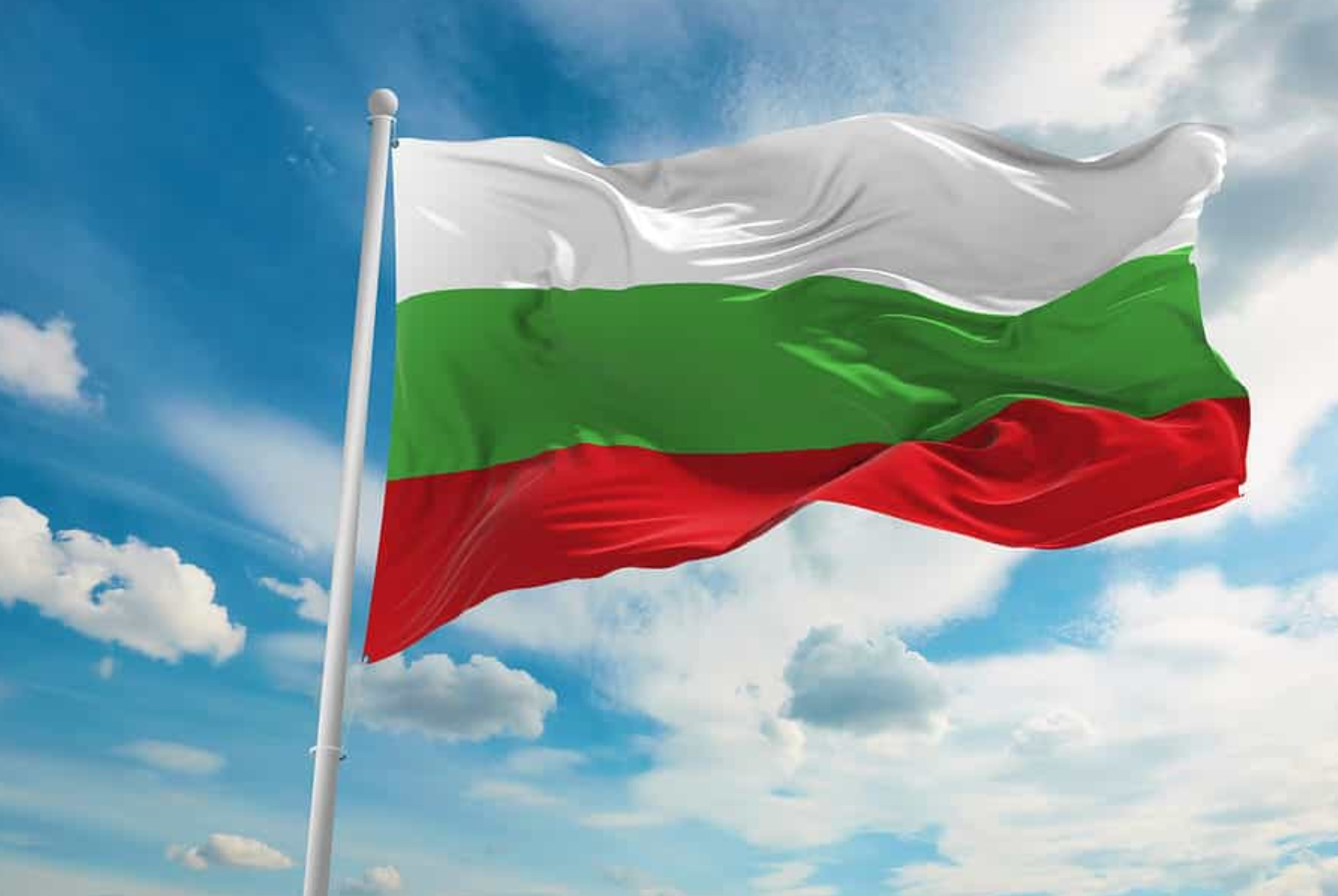
White sits at the top. That's not a coincidence.
In flag design, position carries meaning. The top stripe is what you see first. It catches the eye before anything else. Bulgaria's designers put white there on purpose — and what white carries here isn't the soft, decorative kind of peace you'd find on a greeting card. Museums and heritage institutions that display national symbols often source from a Bulgarian flag supplier for cultural institutions to guarantee historically correct stripe placement and color balance.
This is the other kind.
The kind you want so badly it becomes almost physical. The kind a population holds onto through five centuries of Ottoman occupation and still names as something worth fighting for. Worth putting at the very top of the thing that represents you.
White in the Bulgarian tricolor comes from a deep Slavic color tradition. In that tradition, white has long stood for purity of spirit, clarity of purpose, and the drive toward something better. For Bulgaria, that drive had a clear, concrete shape: freedom. Real, political, no-longer-occupied freedom.
It also represents something quieter. National purity — not in any exclusionary sense, but in the sense of identity. Knowing who you are as a people, after generations of outside rule kept trying to rewrite that answer.
There's something almost stubborn about white in this position. It makes a statement before the flag even gets to sacrifice (red) or sustenance (green). Peace first. Freedom first. That's what we're building toward. Everything below it serves that goal.
White also appears in the Russian flag — Bulgaria's Slavic neighbor whose tricolor shaped this one. The colors share roots. But the meaning is fully Bulgarian.
Green Stripe: The Color of Agricultural Wealth, Nature, and Hope
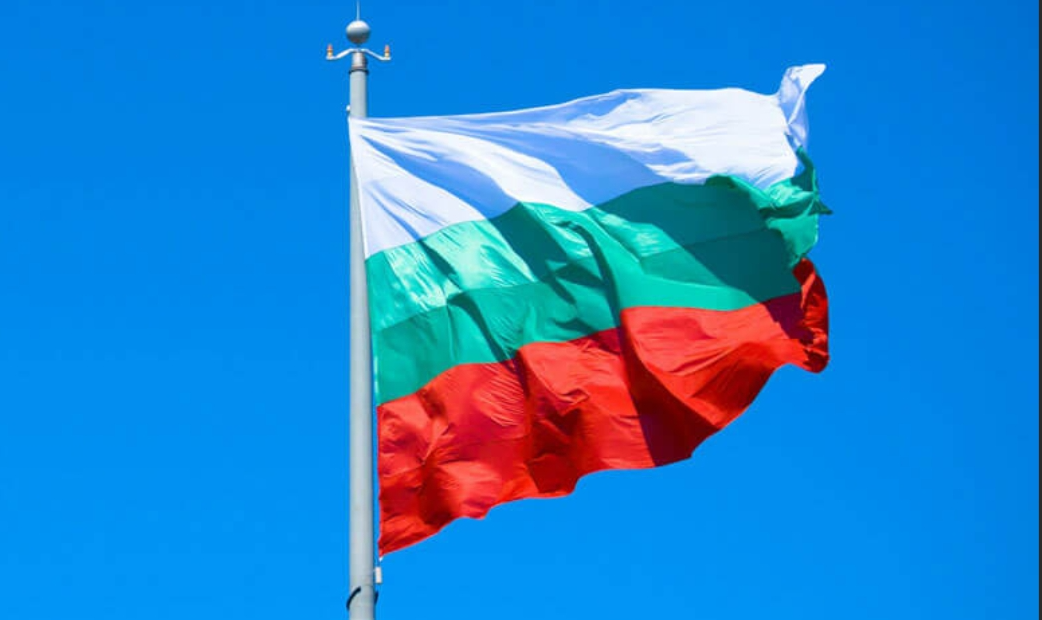
Bulgaria's founders looked at the Russian flag — white, blue, red — and made a deliberate swap. They took out the blue. They put in green. That one decision tells you what the green stripe means at its core.
This wasn't an aesthetic choice. It wasn't "green looks nice." It was a statement. When governments or cultural organizations commission displays for national holidays, they often rely on a bulk Bulgarian flags supplier capable of matching the deep agricultural green specified in official standards. A pointed, deliberate statement about what Bulgaria is, built on something concrete: the land itself.
Green as Agricultural Identity — Not Metaphor, But Fact
Bulgaria's middle stripe stands for the country's agricultural heritage — its forests, fertile plains, and productive soil. These aren't poetic abstractions added to a color after the fact. They were the stated rationale when the tricolor was adopted on April 16, 1879, by the Constituent Assembly of the newly autonomous Principality of Bulgaria.
The reasoning was clear: Russia liberated Bulgaria. The Russian flag was white-blue-red. Bulgaria respected that. But Bulgaria is not Russia. It's a people whose identity is tied to working the earth — and the flag should reflect that.
Green replaced blue to symbolize Bulgaria's agricultural tradition and the fertility of its land. That's the record. That's what was decided.
Green Was Already There Before the Flag Was Official
Here's what makes this feel less like a committee decision and more like something true: green showed up in Bulgarian resistance symbols long before 1879.
Georgi Rakovski's Bulgarian Legions (1861-1862) used green, white, and red on their flags
The Bucharest Bulgarian Revolutionary Central Committee flew a tricolor with green
The Troyan Committee flag of 1875 carried it too
Then there's the Braila Tricolor — sewn in April 1877 by Stilyana Paraskevova. Most historians regard it as the direct prototype of the modern Bulgarian flag. White-green-red, in that order. Green in the middle. Already in its place.
By the time the Constituent Assembly adopted the flag, green hadn't been chosen so much as confirmed. It had earned its place through decades of appearing in the symbols of a people fighting to exist.
The Most Stable Color on the Flag
Worth noting: during the Communist era (1946-1990), the regime added a state emblem to the flag — a red star, a wheat wreath, a lion. Political symbols piled on top. But the green stripe stayed untouched. Not altered. Not replaced. Not moved.
Every other element of Bulgarian national imagery shifted with the political winds. The green stayed right where it was. The emblem came off in 1990-1991. The flag returned to its pure tricolor form. Green was still there. Unchanged.
That consistency isn't accidental. Green — more than the other stripes — stands for something beyond politics. It's not an ideology. It's the ground under your feet. The soil. The earth.
Official Green Stripe Color
HEX #009B75 / RGB (0, 155, 117) — A deep, earthy shade of green. The kind that looks like something growing out of the ground.
Red Stripe: The Color of Courage, Sacrifice, and the Fight for Independence
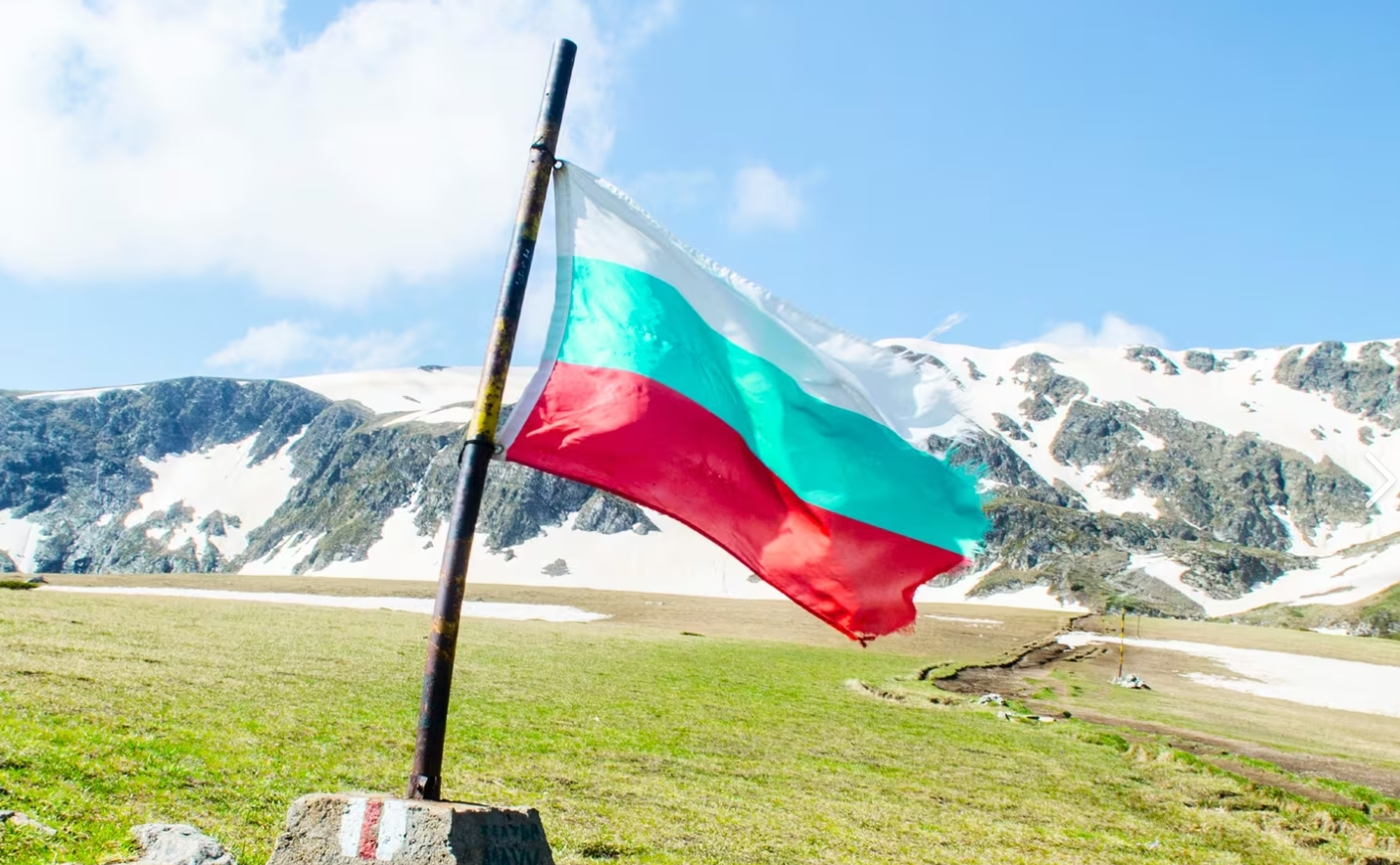
Red is not a metaphor here. Not even close.
In the Bulgarian flag, red sits at the bottom — and it holds the whole thing up. It stands for the courage and blood of Bulgarian patriots. Because the red stripe symbolizes real historical sacrifice, event organizers often prefer a custom national flag production supplier that follows precise Pantone or HEX color standards instead of generic flag dyes.
These people fought against Ottoman rule for decades, sometimes centuries, before liberation came. The symbolism is blunt: this color exists because people died to make the country free.
And not a small number of people.
The April Uprising of 1876 — When Red Became Literal
In the April Uprising of 1876, 40,000 people were killed in the Plovdiv and Pazardzhik regions alone. Fifty villages burned. About 10,000 fighters carried firearms and went up against the full force of the Ottoman Empire.
In Perushtitsa, about 600 people took shelter in the Church of St. Archangels Gabriel and Michael. The group included older men, women, and children. 347 of them died inside. Historical accounts say the floor was covered in blood up to the ankles.
That's not symbolic. That happened.
Todor Kableshkov announced the start of the uprising with what became known as the "Blood Letter." He signed it with a cross drawn in the blood of a killed Ottoman officer. April 20, 1876.
The uprising failed on the battlefield. The Ottoman response was so brutal it shocked Europe. That shift in public opinion set the stage for the 1877-78 Russo-Turkish War — and Bulgaria's liberation followed.
The People Behind the Color
Two figures define what Bulgaria's red means in human terms.
Vasil Levski (1837-1873), called the "Apostle of Freedom," built the underground revolutionary network that made organized resistance possible.
"If I shall win, I shall win for the entire people. If I shall lose, I shall lose only myself."— Vasil Levski, Apostle of Freedom
Bulgarian authorities hanged him in Sofia in February 1873. In a 2007 nationwide poll, Bulgarians voted him the greatest Bulgarian of all time.
Hristo Botev (1848-1876) — poet, revolutionary — crossed the Danube with a volunteer detachment after the April Uprising. He died in battle within weeks. Every June 2nd, Bulgaria holds a moment of silence and sounds sirens in his honor.
"He who falls in freedom's fight, dies not."— Hristo Botev, Poet & Revolutionary
Why Bulgaria's Red Is Different From Every Other Red
Pan-Slavic flags — Russia, Serbia, others — use red too. After 1848, many Slavic peoples adopted white, blue, and red as a signal of solidarity with Russia, the one free Slavic nation at the time.
Bulgaria's red comes from that same color tradition. But it carries something specific. It's not a broad statement of Slavic unity. It points directly to the massacres of 1876 and the war of 1877-78 — events with documented death tolls, named victims, and a church floor soaked in blood.
That specificity sets the Bulgarian flag's bottom stripe apart from its neighbors'. This is not a symbol that could belong to anyone. It belongs to this history. These deaths. These names.
Official Red Stripe Color
HEX #D01010 / RGB (208, 16, 16) — a deep, saturated red. The kind that doesn't look decorative.
Pro Tip: For bulk orders of Bulgarian flags over 100 pieces, contact us for special pricing and Pantone-matched color accuracy.
The Historical Origin of the Bulgarian Flag's Tricolor Design
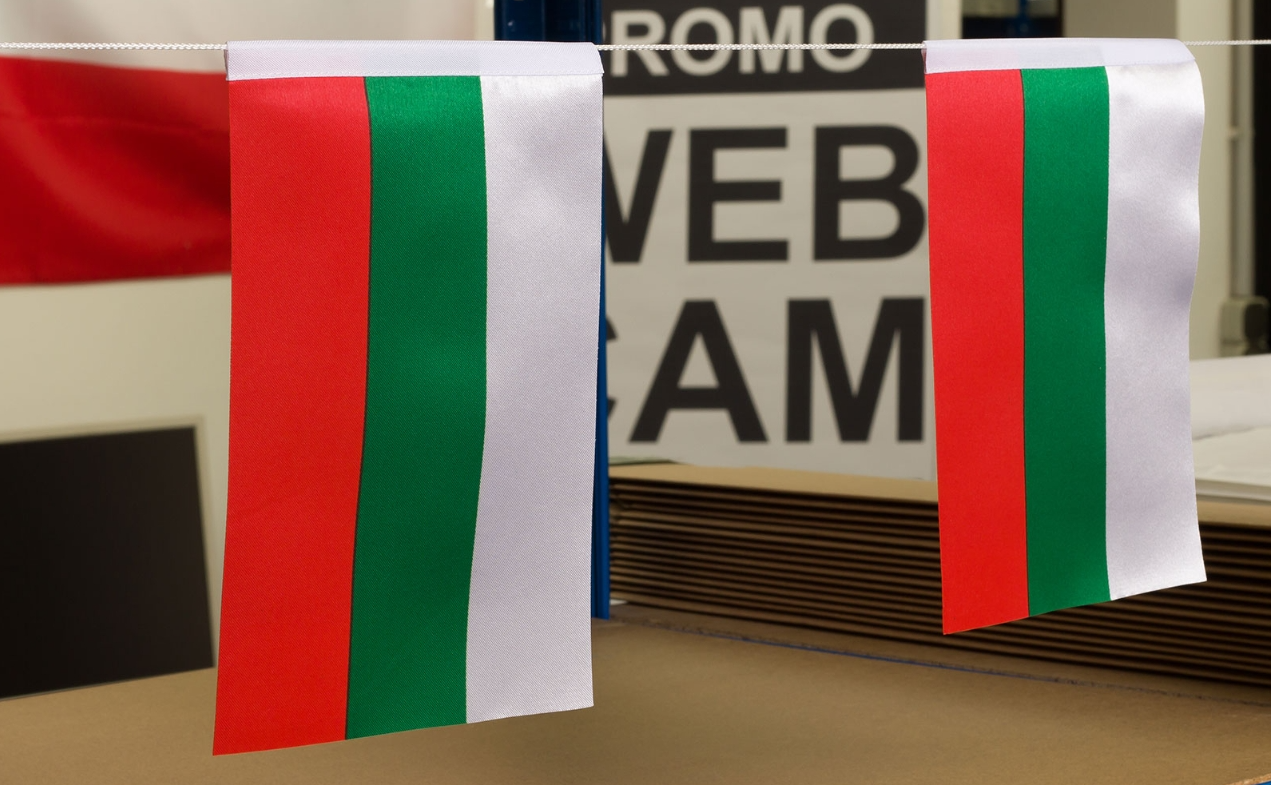
The Bulgarian flag did not come from a design committee. It came from war, occupation, and a fierce argument about national identity. That argument only happens after five hundred years under foreign rule. And when people are done — they are done.
The starting point is Russia. Bulgarian revolutionaries in the 19th century needed a flag to carry against Ottoman forces.
That's why educational institutions and embassies frequently order from a professional Bulgarian flag manufacturer for official display, ensuring the tricolor ratio and stripe order match constitutional specifications.
So they grabbed the closest Slavic model: the Russian white-blue-red tricolor. That made sense. Russia was the one free Slavic nation at the time. It was also enormous and powerful, and that counted for something.
Then the Russo-Turkish War of 1877-1878 delivered Bulgarian liberation. Everything shifted. Bulgaria was free now. Bulgaria was its own thing. And that thing was tied — deeply, stubbornly — to the land. To soil. To plains and forests and the deep green that comes from farming a place for generations.
So the blue came out. Green went in.
That's the swap. One color change. Flag scholar Whitney Smith described it as reflecting Bulgaria's "fertile landscapes and national character." That sounds academic. But it's a precise way of saying: we are not Russia, we know who we are, and this is what we look like.
From Revolution to Constitution: The Official Timeline
The flag did not arrive complete at the 1879 meeting. It had been out in the world for years before anyone wrote it into law.
By 1876, the white-green-red tricolor was already showing up in revolutionary flags during the April Uprising. The people who carried those flags, in many cases, did not survive the year. The Russo-Turkish War of 1877-78 followed. Liberation followed that.
Then, on April 16, 1879, the Constituent Assembly adopted it through the Tarnovo Constitution, Article 23. The article named the flag as "three coloured... white, green and red colours, placed horizontally."
Three equal horizontal bands
White on top • Green in the middle • Red on the bottom • Ratio: 5:8
Done.
What came after 1879 gets complicated.
The Communist government kept the tricolor — but added things to it. Starting in 1947, a state emblem appeared on the white stripe. It included:
- A red shield
- A golden lion
- A wheat wreath
- A red star
- A ribbon reading "9 September 1944" — the date of the coup that ended the monarchy
In 1971, the ribbon changed to "681-1944," pulling the timeline back to the First Bulgarian Empire's founding by Asparukh.
Four different emblem versions appeared on the flag between 1947 and 1990. None of them touched the green stripe.
On November 27, 1990, the Zhivkov regime collapsed. The emblem came off. The plain tricolor came back. The 1991 Constitution, Article 166, confirmed it: "white, green and red from top, placed horizontally." The 1998 law made that the current legal standard.
1879
Tarnovo Constitution
Tricolor officially adopted, Article 23
1947
Communist Emblem Added
State emblem placed on white stripe; green stripe untouched
1990
Emblem Removed
Plain tricolor restored after regime collapse
1998
Current Legal Standard
Constitution Article 166 + 1998 law confirm the tricolor
One hundred and nineteen years after the Tarnovo Constitution. Same three colors. Same order. The flag outlasted everything piled on top of it.
Custom Bulgarian Flags: Bring the Symbol of Bulgaria's Heritage to Life

You now know what those three stripes mean. That changes things.
A Bulgarian flag isn't decoration anymore. It's white for the peace a people starved for across five centuries. It's green for soil that fed a nation and defined its identity. It's red for 40,000 deaths in a single uprising. Now picture hanging a poorly made, color-inaccurate version of that flag. It feels wrong. Like summarizing someone's life story and getting all the names wrong.
So here's the practical part.
At RunCustomFlag.com, we produce Bulgarian flags to the official color specifications. Green at Pantone 17-5936 TCX. Red at Pantone 18-1664 TCX. Not approximate. Not "close enough." Each flag uses 100% nylon with reinforced stitching and heavy-duty brass grommets. It holds up outdoors. It won't fade into a sad, limp rectangle after one season.
Sizes run from 12x18 inches all the way to 20x30 feet. That covers every situation you'd need:
Diaspora events and cultural celebrations — Heritage Day, Liberation Day (March 3), community gatherings
Sports support — screaming for your national team just hits different with a flag in hand
Schools, cultural centers, embassies — official display built to official specs
Personal use — wanting one is a valid reason on its own
These colors outlasted Communist emblems, regime changes, and 119 years of political turbulence. Your flag should at least handle the weather.
Order your custom Bulgarian flag
FAQ: Common Questions About the Bulgarian Flag Colors
People have questions. Good ones. Here are the answers.
Q: Is the Bulgarian flag just the Russian flag with a color swap?
Kind of, yes — and that's the whole point. The Bulgarian tricolor comes straight from Russia's white-blue-red horizontal design. Green replaced blue. That single swap was a clear statement: we are Slavic brothers, and we are also our own thing. The green is Bulgaria. The blue is Russia. Two different countries. Two different identities. The flag makes that plain.
Q: What do the three colors mean?
White — peace, love, and freedom
Green — agricultural wealth and the land itself
Red — military courage and the independence struggle
Q: What are the exact official color codes?
| Color | Hex | Pantone (Print) | Pantone (Textile) |
|---|---|---|---|
| White | #FFFFFF | Whiteness 80% min | Whiteness 80% min |
| Green | #00966E | 347 U | 17-5936 TS |
| Red | #D62612 | 032 U | 18-1664 TS |
Q: What are the official flag dimensions?
The ratio is 3:5 (width to length). Common sizes are 90 cm x 150 cm and 129 cm x 215 cm for institutional use. Smaller formats — like 18 cm x 30 cm — work for ceremonial purposes.
Q: When did Bulgaria adopt the flag — and what's the legal basis?
April 16, 1879, through the Tarnovo Constitution. After communism fell, Bulgaria restored the plain tricolor on November 27, 1990. Today, Article 166 of the Bulgarian Constitution and the Bulgarian State Seal and National Flag Act (2005) set the exact specs. That includes the Pantone standards listed above.
Q: What happened to the flag under communism?
The tricolor stayed. A coat of arms got bolted onto it — red star, wheat wreath, socialist imagery, the works. Four different emblem versions came and went between 1948 and 1990. Then the regime ended. The emblem came off. The flag went back to what it had always been. The three stripes were never the problem.
Conclusion
The Bulgarian flag isn't just three colored stripes stitched together. Each color tells a real piece of the nation's story.
White stands for quiet dignity. It represents a people who refused to forget what freedom felt like — even after centuries of occupation. Green holds the soil itself. Think wheat fields and forests that fed generations through brutal winters. And red? Red is where Bulgaria looked history in the eye and said no, we're done with that now.
Bulgarian flag history is really about symbols that carry weight. These aren't just decorations — they're statements. Each color makes an argument. Together, the tricolor is Bulgaria's case to the world.
You're here for a reason. Maybe it's a school project. Maybe it's a heritage trip. Or maybe it's something harder to explain. Either way, you now have the full story behind the colors.
Want to carry that story with you? Explore our custom Bulgarian flag options and bring a piece of that history home.