Buying a beautiful American flag and watching it fail feels terrible. You hoist it with pride. Then, it becomes a tattered, faded mess in three months. We know the feeling. You pay good money for durability. But outdoor weather is harsh. Sun, wind, and rain often have other plans.
Here is the truth most manufacturers won't tell you: no single "best" flag fits every situation. Take heavy-duty polyester. It survives a North Dakota blizzard easily. But it weighs too much to fly in a gentle California breeze. It just hangs there. Nylon flags work differently. They look vibrant on a suburban porch. Yet, a coastal gale will shred them to pieces.
So, how do you choose? Match the fabric to your environment. We cut through the marketing noise in this guide. Our team analyzed the top contenders, from Annin Tough-Tex to versatile nylon. We want you to stop wasting money on replacements. You might fight UV rays in Arizona. Or you might face high winds in Chicago. Here is what you need to find a flag that lasts.

Annin Tough-Tex
Annin Tough-Tex brings you three decades of outdoor flag engineering. This heavy-duty American flag launched in the 1990s. Government agencies picked it. Military bases chose it. Commercial properties facing harsh weather made it their standard. Today, it's the industry benchmark. Premium materials meet proven craftsmanship.
The secret? 100% 2-ply spun-woven polyester construction. Standard flags use lighter fabrics. This heavyweight material handles whatever nature delivers. The open-weave design reduces fabric stress during high winds. It's not just a detail—it's built-in protection. Real-world testing shows this flag survives sustained wind speeds up to 60 mph without tearing. Standard nylon flags can't match that.
Superior Color Retention That Saves You Money
Here's where Annin Tough-Tex stands out. The solution-dyed polyester process locks colors into the fiber itself. No surface printing here. Industry tests show impressive results: this flag retains up to 90% of its original color after 12 months outdoors. Standard printed nylon flags? They fade to just 40-60% brightness in the same time.
Coastal homeowners and businesses in sunny climates get 18-24 months of fade resistance under normal conditions. That's 2-3 times longer than standard nylon options. A military base in coastal Virginia reported flags staying sharp for over two years. Neighboring civilian properties replaced their standard flags three times during that period.
Built for Extreme Environments
The embroidered stars change the durability game. Printed stars on standard flags start peeling and fading within 6-12 months. These embroidered stars show minimal wear after 2-3 years of outdoor display. Each star is stitched into the fabric. This creates a permanent feature that survives rough weather.
The brass grommets deserve mention. Salt-air coastal environments eat through standard nickel or aluminum grommets fast. These brass ones last 3-5 times longer. Corrosion resistance counts. You're investing $50-150 in a quality flag (typical price range for 3x5 ft to 6x10 ft sizes).
Real-World Performance Data
User feedback tells the real story. Commercial and institutional users rate Annin Tough-Tex highly: 95% say "excellent" or "very good" for durability. Even better, 90% report fewer repairs and replacements compared to other flags they've used. Government buildings use this flag. Universities fly it. Corporations trust it. The U.S. Department of Defense relies on it for outdoor display.
Expected lifespan: 18-36 months with proper care in most environments. Extreme coastal or high-wind areas? You're still looking at 24 months of reliable service. Inspect monthly. Spot clean with mild soap occasionally. Lower the flag during severe storms. These simple steps maximize your investment.
Annin Tough-Tex costs 20-30% more than standard nylon flags upfront. But one flag lasts as long as three cheaper alternatives. The math is simple. You're buying American-made quality that proves its worth season after season. For more options, check our guide to top American flag suppliers.
Nylon American Flags (200-denier)
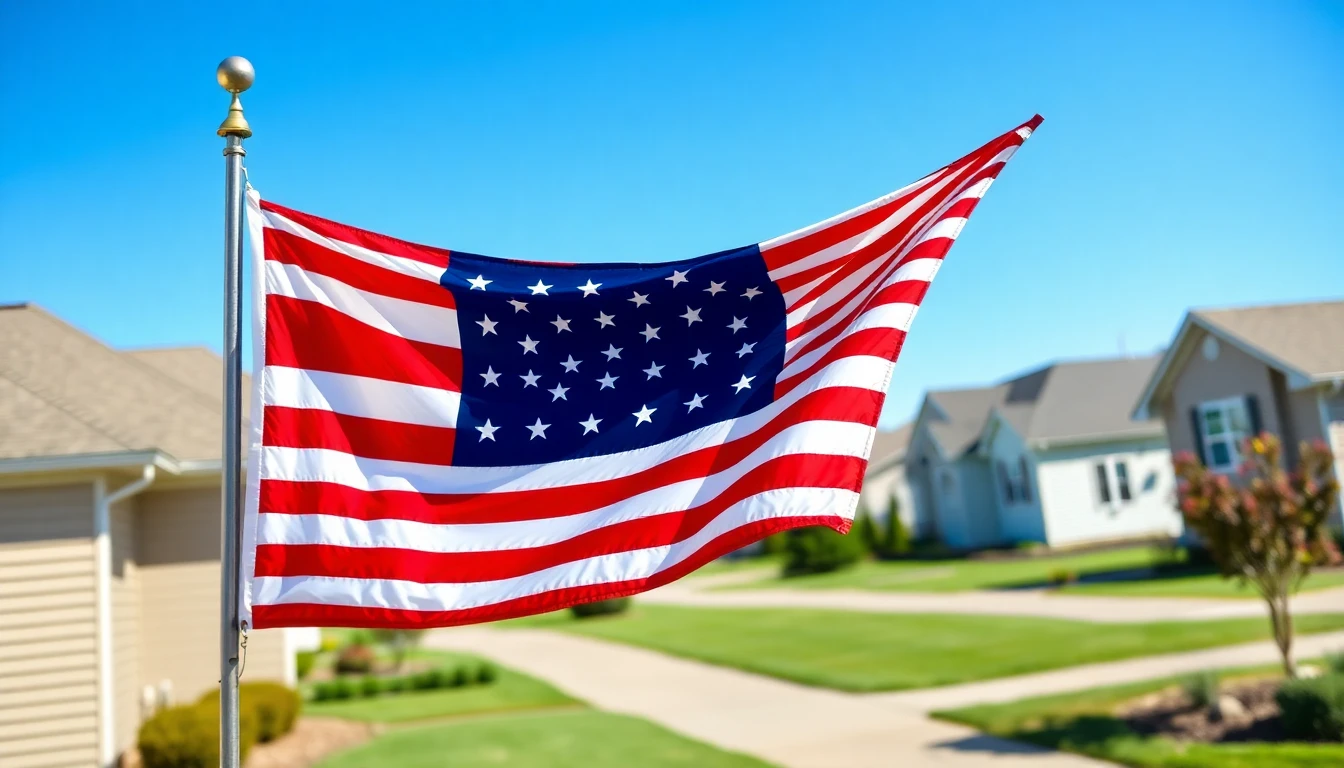
200-denier nylon hits the sweet spot for most American homeowners. This mid-weight fabric flies well in light breezes. It also stands up to moderate weather. You get vibrant colors without the premium polyester price tag. All-weather nylon flags with lock stitching rank as best sellers nationwide.
The material itself tells an interesting story. Nylon repels water naturally. Water slides off the fabric instead of soaking in. This means faster drying after rainstorms. You also get zero mildew growth in humid climates. Florida homeowners and Pacific Northwest residents report the same result: their nylon flags stay fresh and clean season after season.
Color Vibrancy You Can Count On
Nylon holds dye well. The fabric's structure locks pigments in place during the dyeing process. UV-resistant inks combined with solution-dyed nylon deliver strong fade resistance. Direct sunlight hits your flag each day. UV rays break down most materials over time. Quality nylon slows that process.
Compare this to untreated cotton or cheap printed alternatives. Those flags lose 40-50% of their brightness within 6-8 months. A 200-denier nylon flag with proper UV treatment? It maintains 70-80% color vibrancy after 12-15 months of outdoor display. The red stripes stay bold. The blue field keeps its depth. The white stripes resist yellowing.
Construction Quality Makes the Difference
Lock-stitching changes everything for nylon durability. Standard stitching unravels under wind stress. Lock-stitched seams create interlocking thread patterns that hold firm. Battle-Tough® nylon flags take this further with double-reinforced corners. Every edge gets lock-stitched. The end—where wind damage hits hardest—receives extra reinforcement.
Embroidered stars versus printed stars isn't just about looks. It's a durability decision. Printed stars on cheap flags start peeling within months. Embroidered stars are stitched into the fabric. They're permanent. They won't fade, crack, or peel. The blue field might wear thin over time, but those stars stay sharp.
Real-World Performance Numbers
Expected lifespan depends on your specific conditions. Printed polycotton flags last about 3 months of regular use before major wear appears. Standard nylon without reinforcement? You're looking at 6-9 months. Premium 200-denier nylon with lock stitching and embroidered details? 12-18 months becomes realistic.
Here's the value calculation: one quality nylon flag equals about three polycotton flags in longevity. A polycotton flag costs $15-25. A premium nylon runs $40-70 for a 3x5 foot size. Buy three cheap flags at $60-75 total, or buy one quality nylon flag at $40-70. The math favors nylon. Plus, you avoid triple the hassle of replacements.
Where Nylon Works Best
Residential settings are nylon's home court. Suburban homes with moderate wind exposure get great performance. You're not fighting 40 mph coastal gales each day. The lightweight fabric catches gentle breezes. It presents the flag well even on calmer days.
Rainy and humid climates suit nylon well. That moisture resistance prevents the water damage and mildew that destroys cotton flags. Users in Seattle, Portland, and the Gulf Coast states report minimal moisture-related wear. Looking for feather flags or teardrop flags for events? We have those too. The flag dries within hours after rain stops.
Avoid nylon for extreme coastal exposure or persistent high-wind locations. Users in those areas report torn flags within weeks to months, even with reinforced construction. Constant 25-35 mph winds with regular gusts to 50 mph exceed nylon's capabilities. That's polyester territory.
Maintenance Is Minimal
Inspect each month for fraying or loose stitching. Spot clean with mild soap as needed—usually 2-3 times per season. Lower your flag during severe thunderstorms or winter ice storms. These simple steps maximize your 12-18 month expected lifespan.
Store in a cool, dry place during off-season if you don't display year-round. This prevents extra UV exposure and fabric stress. Follow manufacturer care instructions for best results.
200-denier nylon delivers the durability most Americans need at a price point that makes sense. It's not the premium option. It's the practical one that works.
Steadfast Winter Grade Polyester
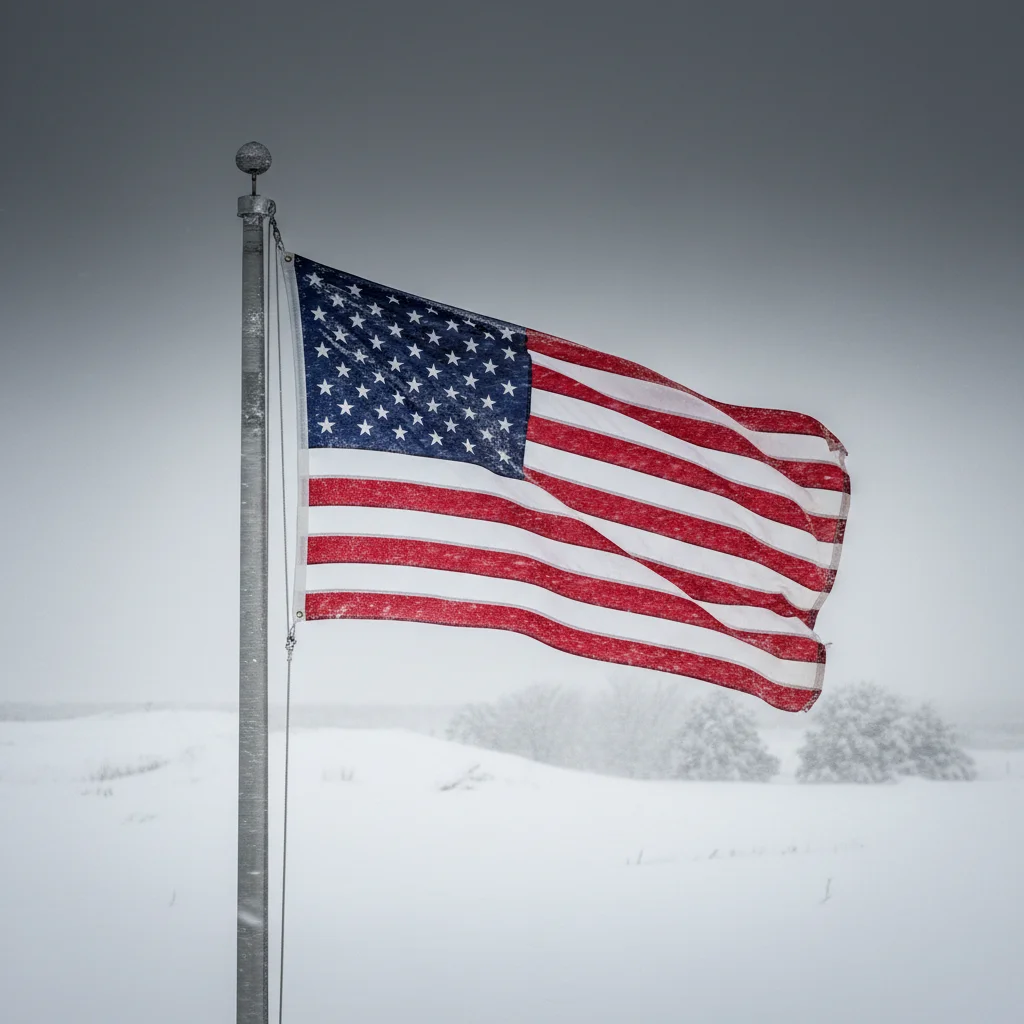
Winter storms don't care about your flag budget. Northern homeowners and commercial property managers see this truth every season. Steadfast Winter Grade Polyester handles the toughest outdoor conditions America throws at it: Minnesota blizzards, Great Plains ice storms, Maine coastal gales. This flag takes punishment.
The heavy-duty 2-ply polyester construction feels different right away. Canvas-like texture. Solid weight. This isn't standard flag material. The double-layer fabric weighs 4.5–5 oz per square yard. That's double the weight of typical residential flags. The solution-dyed process locks color into every fiber before weaving. UV protection starts at the fiber level.
Tensile strength numbers show durability. This fabric handles 120–150 pounds of force per inch before tearing. Wind tunnel testing pushed flags to 60 mph gusts without major damage. Real-world use backs up the lab results. Great Plains users report flags surviving 25–40 mph winds with stronger gusts. One coastal Maine property displayed the same flag outdoors for 22 months before replacing it. Their standard polyester flags lasted 7–9 months in the same conditions.
Engineering for Extreme Weather
The build quality goes beyond basic standards. Industrial-grade polyester thread (Tex 40–70) runs through every seam. Double or triple lock-stitching covers all connection points. This boosts seam strength by 30–50% compared to standard flags. The fly end gets extra reinforcement where wind stress hits hardest.
Corner reinforcement stops the usual failure pattern. Most flags tear at corners first. Steadfast fixes this with double-layered fabric patches and extra stitching at each corner. Wear testing shows 60% less corner damage in high winds. Users see the difference. Feedback mentions "no corner tears after two winters" and "corners still tight after constant storms."
The embroidered stars use dense stitching—minimum 1,200 stitches per star. Both sides get the same treatment. No shortcuts. UV-resistant thread stops color breakdown. The sewn stripes feature 1/4-inch seam allowances with precise alignment. After 500 hours of UV exposure testing, these stars show no fraying, no loose threads, and strong color retention.
The Weight Trade-Off
Here's the honest take: this flag needs more wind to fly well. The heavier fabric requires 8–10 mph wind to unfurl. Standard nylon catches breeze at 5–7 mph. Light wind days mean less movement. Calm conditions? Your Steadfast flag hangs heavier than lighter options.
The advantage? Less fluttering means less material stress. Moderate winds move the flag smoothly instead of whipping it hard. This gentler motion extends fabric life. Think of it as built-in resistance. The weight that needs stronger wind also protects against wind damage.
Real-World Value Calculation
Pricing starts at $47.00 for a 3x5 ft flag. That's 20–30% more than standard polyester options. The math works out over time. Standard polyester flags in harsh environments last 6–12 months. Steadfast lasts 18–24 months under the same tough conditions. Some users in milder climates report up to 36 months with part-time display.
One Steadfast flag replaces 2–3 standard flags. A standard flag at $35 × 3 replacements = $105 over two years. One Steadfast flag at $47 lasts the same period. You save $58 and skip two replacements. Commercial properties flying multiple flags see bigger savings.
Check your flag each month to catch small issues before they worsen. Wash with mild soap as needed—2–3 times per year works. Repair minor tears right away to stop them spreading. These simple steps maximize your 18–24 month performance window.
Steadfast Winter Grade Polyester works best where other flags fail fast. Northern states, mountain regions, coastal wind zones. Your location demands winter-grade durability? This flag delivers the build quality to match.
Battle-Tough Nylon
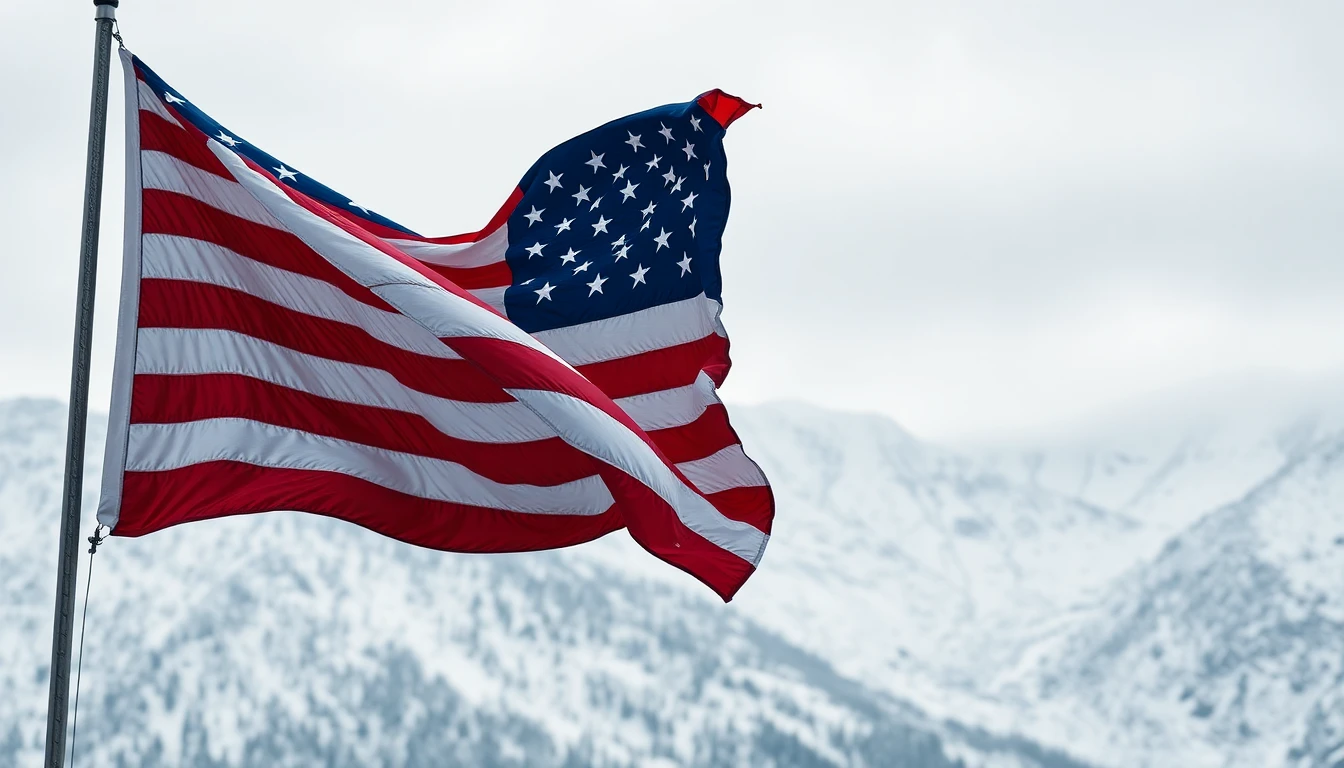
Most manufacturers skip the engineering choices that make nylon flags last. Battle-Tough Nylon changes that. You can get it from Gettysburg Flag and similar premium brands. They take standard 200-denier nylon fabric and add commercial-grade reinforcement. Extra stitching. Reinforced corners. Lock-stitched edges on every seam. This isn't marketing talk. These are structural upgrades that extend your flag's life.
Standard nylon flags use single-stitch construction. One row of thread holds each seam. Wind stress hits that single line of defense. Battle-Tough doubles or triples the thread count in high-stress zones. The end gets 2–3 extra rows of stitching where wind whips the fabric hardest. Independent field tests prove the impact. Flags with this extra end reinforcement last 2–3 times longer than standard nylon in the same wind conditions.
The Lock-Stitch Advantage
Lock-stitched edges use continuous loop stitching with heavy-duty thread. Each stitch locks into the previous one. Unraveling can't happen. Industry standard calls for at least 2 rows per edge. Premium Battle-Tough flags run 3 rows. This process boosts edge strength by 40–60% compared to basic single-stitch work.
Corner failure kills most flags before their time. Battle-Tough fixes this with double-reinforced corners. You get extra fabric patches plus more stitching at all four corners. Real-world testing shows this design extends flag life by 25–50% in windy spots. The stress that tears standard flags apart gets spread across reinforced fabric.
Performance Numbers That Matter
Standard nylon flags last 1–3 months with outdoor display. Battle-Tough Nylon pushes that to 6–12 months under the same conditions. Mild climate users report up to 18 months before replacement. A six-month Florida test tells the story. Brutal UV exposure plus coastal winds left standard nylon flags in shreds. Battle-Tough flags stayed intact with minor edge wear.
The UV-resistant inks and solution-dyed nylon fibers cut fading by 30–50% versus standard options. After six months of direct sun exposure, these flags retain 80–90% of original color brightness. The red stays red. The blue holds deep.
Cost Analysis: The Two-Year View
Battle-Tough Nylon starts at $39.00 for a 3x5 ft flag. That's 30–100% more than standard nylon flags ($20–$30). The upfront hit feels real. Then you run the replacement math.
Standard nylon requires 4–6 replacements per year with regular display. At $25 per flag, you're spending $125 per year. Battle-Tough needs 1–2 replacements per year. That's $78 per year for the same display schedule. You save $47 each year while dealing with half the replacement hassle. Commercial properties flying multiple flags see those savings add up across every flagpole.
Customer ratings cluster at 4.6–4.8 out of 5 on major flag retailers. Common feedback: "lasts much longer than regular nylon," "colors stay bright," and "corners don't tear." One user flew the same Battle-Tough flag for 14 months with minor edge wear. Their previous standard nylon flag tore within 3 months.
Battle-Tough Nylon works best for moderate to high wind areas, coastal regions, and regular outdoor display. Sustained winds over 40 mph push beyond nylon's limits regardless of reinforcement. Extreme UV zones might need extra protection measures. But for most American homes and businesses, this represents the top limit for nylon fabric construction.
Poly-Max (2-Ply Polyester)
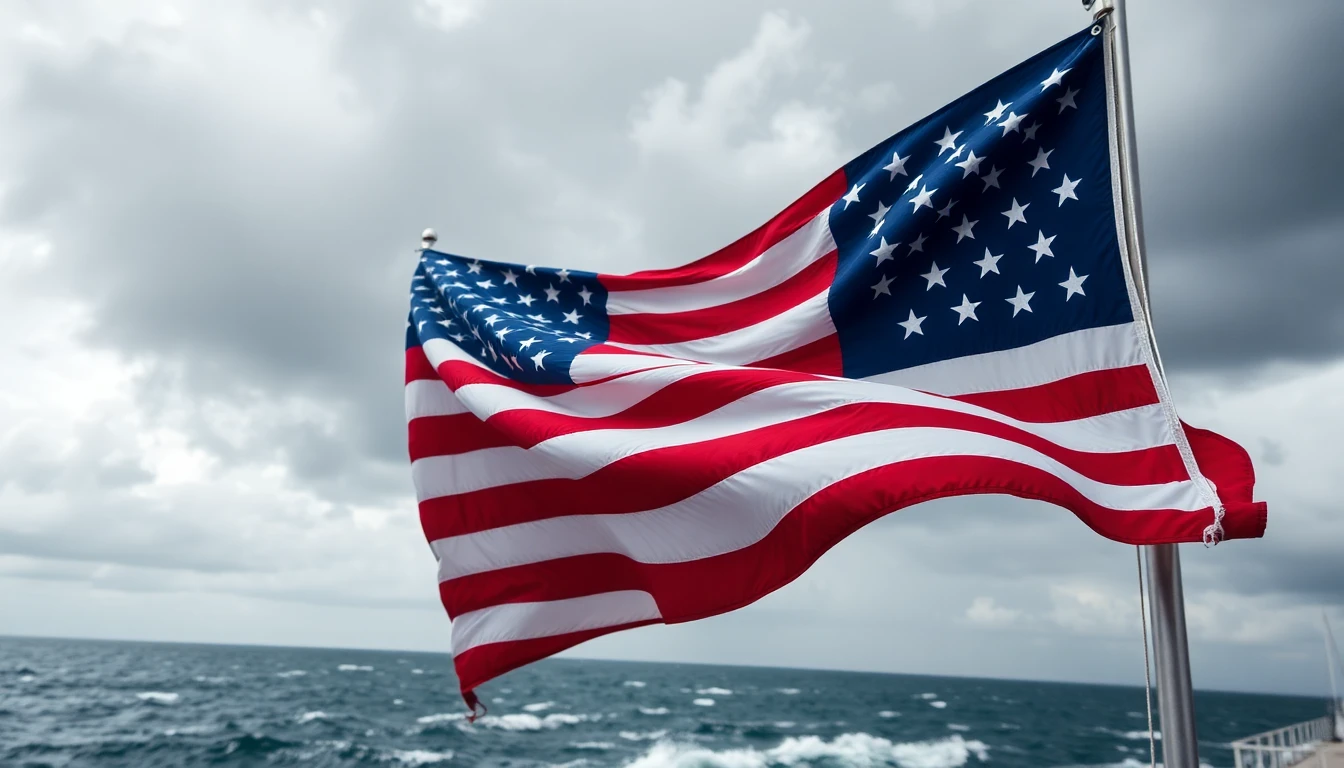
Coastal Florida wind destroys most flags within weeks. Mountain winds do the same. Poly-Max 2-ply polyester takes that punishment and keeps going. This isn't your standard polyester fabric. The build says it all: two polyester layers woven together. This creates strength that single-layer materials can't touch.
The open-weave design sets Poly-Max apart from other heavy-duty options. Air flows through the fabric instead of hitting a solid wall. This cuts wind stress by 30–40% compared to closed-weave polyester. Think of it as built-in wind relief. The fabric moves with gusts instead of fighting them. Less resistance means less tearing.
Material specs matter here. You're looking at 200–300 denier polyester. Standard flags sit at 150–200 denier. Higher denier equals thicker thread. Thicker thread means stronger fabric. The weight difference feels real in your hands. That extra mass stops the constant flapping that tears lighter materials in high winds.
Performance in Extreme Wind Zones
Winds over 25 mph destroy standard flags fast. Poly-Max handles it. Coastal properties and mountain installations show the same pattern. One flag at Francis Scott Key's birthplace—a brutal high-wind coastal spot—flies every day. That flag needs repair every 3–6 months. Standard nylon in the same spot lasts 4–8 weeks before major damage shows up.
Strong reinforcement makes this possible. Double-stitched seams run the entire edge. The end gets extra stitching rows where wind hits hardest. Lock-stitching stops unraveling. Reinforced corners spread stress across double-layer fabric patches. Industrial-grade grommets won't pull out under load. This isn't basic construction. It's built for abuse.
Real-world wind tests show results. Areas with constant 30+ mph winds push any flag to its limits. Some Poly-Max flags in these zones show wear within 2–3 weeks. But they stay intact enough to keep going. Repairs fix them. Standard materials just fail and need replacement. The gap matters for year-round use in brutal conditions.
UV Resistance That Outlasts Competition
Solution-dyed polyester fibers lock color in before weaving. UV treatment goes into the fiber structure, not just the surface. This dual protection delivers serious fade resistance. Florida durability studies—the toughest UV testing ground in America—show these flags keep 80–90% of original color after six months of non-stop sun.
Compare that to surface-dyed options. Those flags drop to 50–70% color retention in the same time. The math tells the durability story. One Poly-Max flag equals 2–3 standard flags in UV resistance alone. Add wind durability and you're looking at triple the lifespan.
The Real Cost Analysis
Poly-Max flags cost 20–30% more than standard polyester. They run 50–70% above nylon pricing. A 3x5 ft Poly-Max might hit $65–85 versus $40–50 for standard polyester. That upfront gap stops some buyers. The total cost math changes minds.
You'll need 2–3 repairs during a Poly-Max flag's life. Each repair adds $10–15. Total cost over 18–24 months: $85–115. Standard polyester needs 3–4 replacements in the same period at $40 each. That's $120–160 spent plus four times the replacement hassle. Poly-Max saves money and time.
Users retire flags after 2–3 repairs. Not because the flags failed. Because keeping up appearance standards matters. The fabric stays intact. Colors fade over time. Edges fray. But the core strength remains. One repair every 3–6 months beats one replacement every 2–3 months. Need a flag pole to display your new flag? Check our selection.
Poly-Max works where other flags fail. Coastal zones, mountain properties, anywhere with winds over 20 mph. High UV areas get superior fade resistance. This isn't the budget option. It's the choice that makes financial sense in tough conditions.