You've spent weeks planning the perfect outdoor weekend—gear packed, itinerary set, excitement building. Then, the National Weather Service issues a Red Flag Warning. Suddenly, that "green light" for adventure turns into a hard stop.
Honestly, many people misunderstand what these warnings actually mean. They aren't just a friendly "be careful" suggestion from the weatherman; they are critical alerts signaling that conditions—high winds, low humidity, and dry vegetation—are perfect for a catastrophic wildfire. When that flag goes up, the rules of the outdoors change instantly.
It’s not just about being safe; it creates a ripple effect that impacts everything from campground reservations to whether you can even mow your own lawn. Whether you're an off-roader, a hiker, or just doing yard work, understanding these restrictions isn't just about avoiding a hefty fine—though that's a real risk—it's about recognizing that one spark could change a landscape forever.Camping and Campfires
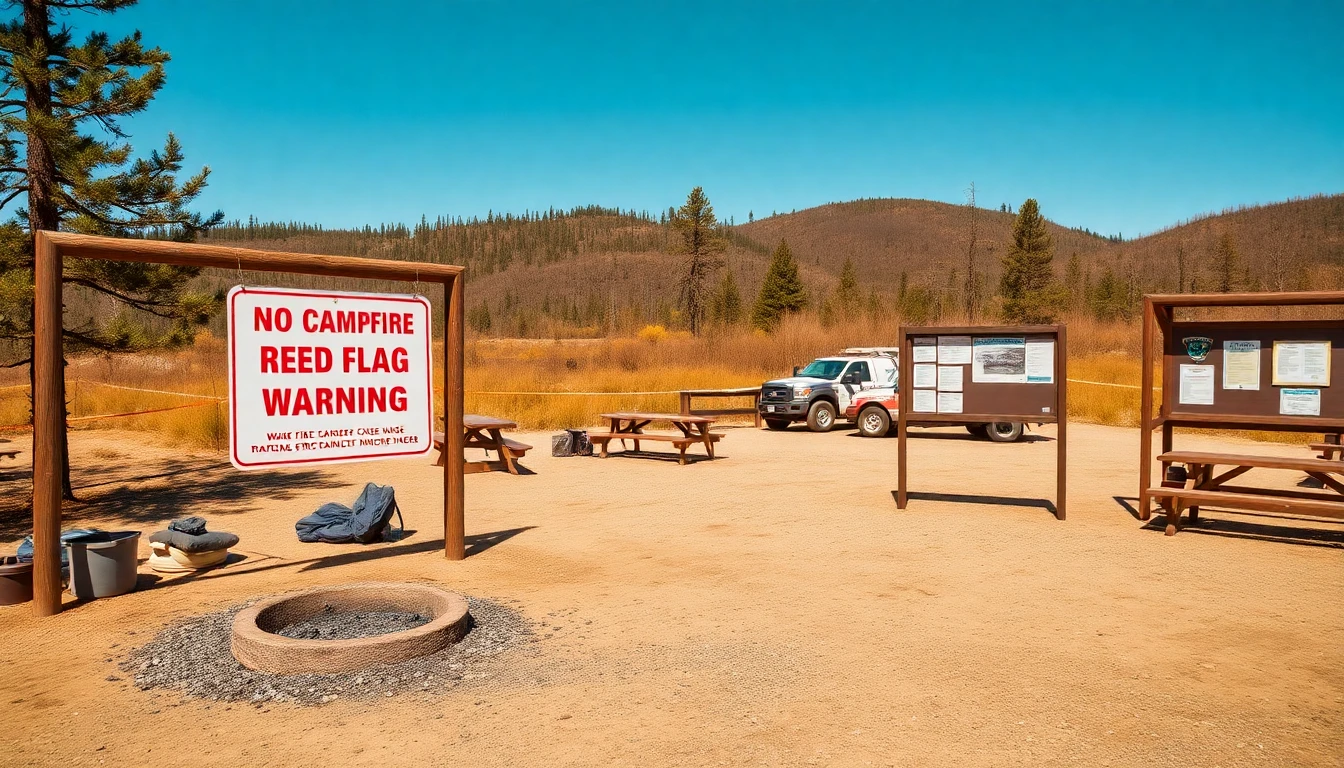
Red Flag Warnings change camping from a peaceful outdoor escape into a restricted activity. Sometimes it's banned altogether. Public lands, national forests, and state parks enforce strict bans on all open flames during these high-risk periods. Campfires, charcoal grills, propane fire pits, and any stove with an open flame are forbidden. These restrictions aren't suggestions. They're enforceable rules backed by serious consequences.
Park authorities take action fast during Red Flag conditions. Campground reservations get canceled. Entire camping areas close. Events are suspended. Marin County Parks, for instance, cancels all scheduled events on open space land for the duration of a Red Flag Warning. Fire danger escalates? Camping takes a backseat to public safety.
Legal Consequences and Enforcement
Breaking campfire bans during Red Flag Warnings carries big penalties. Violators face fines exceeding $5,000 in places like California National Forest. You'll be removed from parks right away. Legal action may follow. The National Park Service and U.S. Forest Service require all campfires to be put out the moment a Red Flag Warning is issued. No exceptions exist. Fire rings don't matter. Designated campfire areas don't matter. Established pits don't matter. Red Flag status overrides every local permission and traditional camping practice.
Time-Sensitive Restrictions
Fire risk changes throughout the day. The window between 10:00 a.m. and 6:00 p.m. is peak danger time. Heat intensifies. Winds pick up. During these hours, campers must stop all outdoor fire-related activities. Equipment that generates sparks falls under the same ban in many camping areas. This includes chainsaws, generators, and certain power tools. Smart campers adjust their schedules. They plan cooking and activities outside these high-risk hours.
Essential Safety Protocols
Campers must have zero tolerance for fire during Red Flag Warnings. Do not start or maintain any outdoor fire under any circumstances. Smoking is restricted to cleared, designated areas only. Before arriving at any campsite, check local fire danger ratings. Check current Red Flag status. Prepare evacuation plans. Closures can happen fast, without advance notice.
Thunderstorm activity adds danger during Red Flag periods. Lightning strikes can start wildfires. At the same time, flash flood risks rise. This makes camping areas twice as dangerous. In wildfire-prone regions, evacuation orders have forced residents and campers to leave right away as fires spread under Red Flag conditions. These warnings are increasing in frequency and duration. This results in more camping restrictions year after year.
The guiding principle is simple: Red Flag Warnings are active? Skip the campfire, or skip camping altogether.
Off-Roading and Vehicle Use
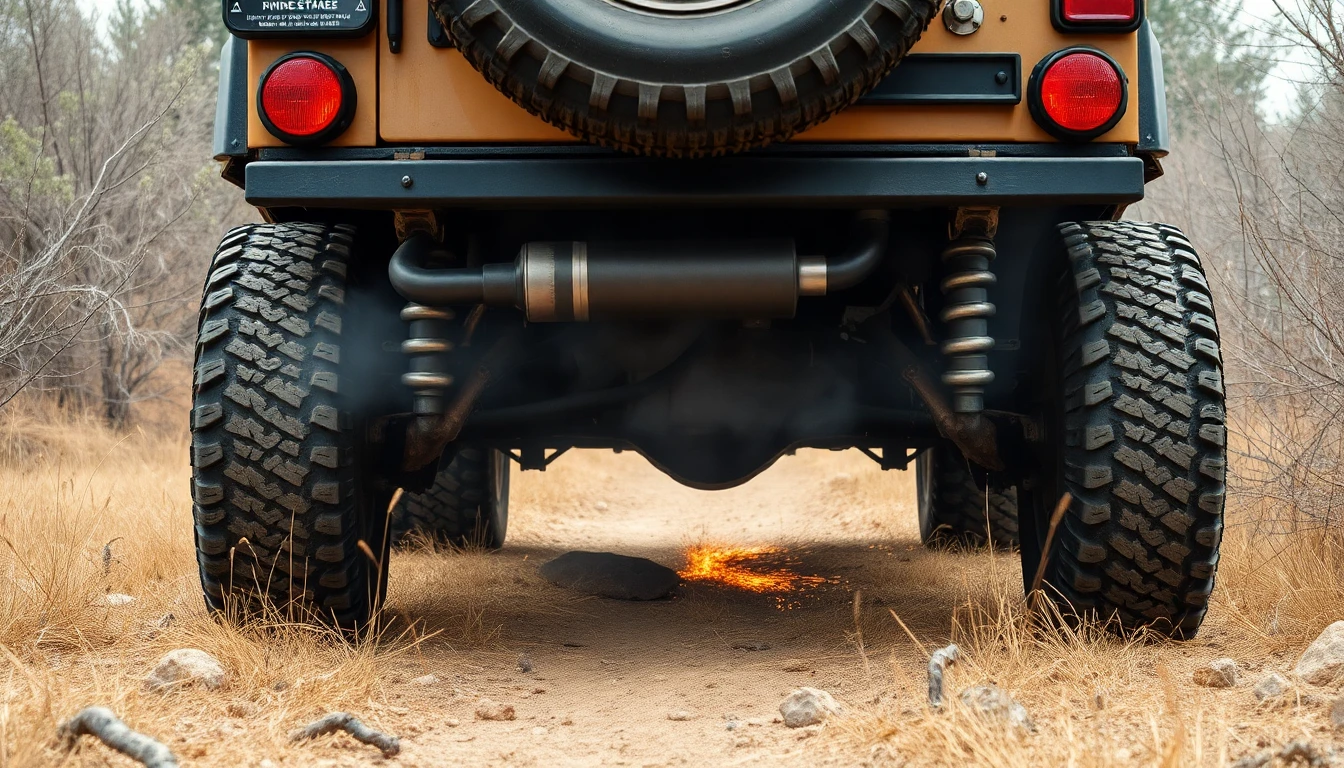
Red Flag Warnings turn your vehicle into a fire hazard. Hot mufflers, exhaust systems, catalytic converters—these parts become ignition sources the moment they touch dry grass. Park over vegetation? You could start a wildfire. Metal undercarriage scrapes rocks and throws sparks. Tire changes on gravel create heat. Dragging chains leave dangerous trails behind. These risks are real. Up to 25% of roadside fires during California's peak fire season start from vehicles.
Normal driving causes problems during Red Flag conditions. It's not just obvious mistakes. Routine stops create danger too. Dry fuel moisture drops below 8%? Fire risk jumps fast. Authorities understand this threat. That's why public lands, off-road trails, and motorized recreation areas close quickly during Red Flag Warnings.
Trail Closures and Access Restrictions
Local agencies lock down access without delay. They ban all motorized activities. Angeles National Forest and Santa Clarita/Antelope Valleys closed to vehicles during the August 20–24, 2025 Red Flag Warning in Los Angeles County. Ground patrols went up. Aerial monitoring started. Enforcement teams actively swept areas for compliance.
Colorado saw 114 Red Flag Warning days in 2023. Trail closures and off-road event cancellations piled up. Break the rules? You'll face fines and citations. Authorities patrol off-road areas to catch violators during these times. The message is simple: Red Flag Warnings mean no off-roading.
Critical Safety Protocols for Vehicle Operators
Never drive vehicles off-road in areas with dry grass or brush during Red Flag Warnings. Don't idle over vegetation. Don't park on it. Don't stop on it. Use only paved or graveled surfaces for any vehicle activity. Inspect your vehicle before heading out. Check for leaks. Look for worn parts. Find anything that could make sparks.
Keep a fire extinguisher within reach in every vehicle. Fires start in seconds. How fast you respond decides if it stays small or turns into disaster. Check local fire danger signs regularly. Review access alerts. Read closure notices before you travel.
See fire or smoke? Call emergency services right away. Don't try to fight it alone. Wildfire Action Plans tell off-roaders to follow "Ready! Set! Go!" protocols. Carry emergency evacuation info. Keep fire prevention tools accessible at all times.
The best choice? Delay trips. Change your route. Stay home if Red Flag Warnings cover your planned areas. Off-roading can wait. Wildfires won't.
Hiking and Hunting
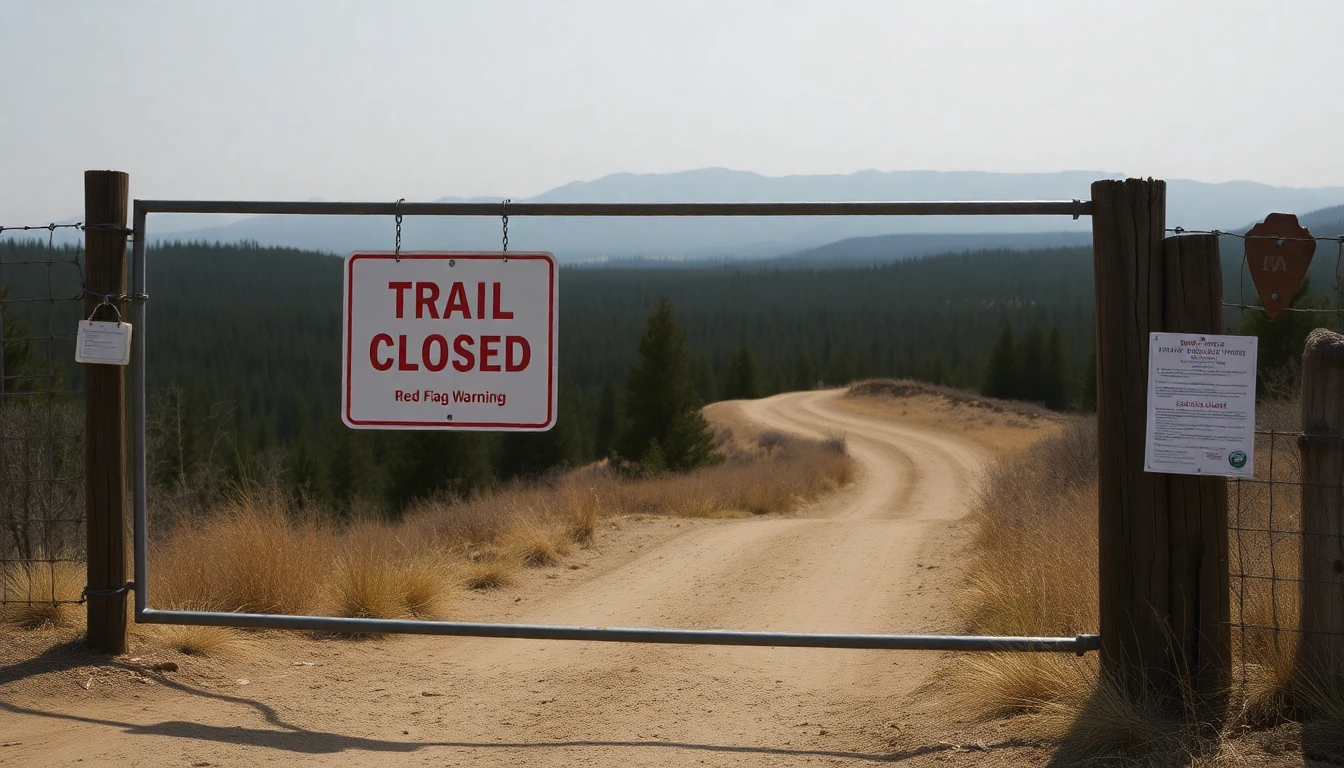
Red Flag Warnings shut down trails and hunting grounds with zero advance notice. Your permit means nothing. Your planned hunting season? Suspended. The National Weather Service issues these warnings. Public land managers lock gates and cancel access right away. They don't wait for smoke. The forecast alone triggers action.
California's Marin Municipal Water District closes the entire Mt. Tamalpais watershed during Red Flag periods. Natalie Coffin Greene Park? Closed. All watershed land use permits? Suspended. These aren't partial restrictions. Every hiker and hunter with a valid permit gets turned away. Marin County Parks cancels scheduled events across all open space lands the moment warnings activate. Your reservation doesn't matter.
Enforcement and Access Restrictions
Santa Clarita and Antelope Valleys face frequent Red Flag Warnings. Angeles National Forest hiking gets discouraged first. Then it's banned. Law enforcement and ranger patrols increase during these periods. They're not there to give warnings. They issue citations. They remove violators. Parks close based on weather conditions, not actual fire presence.
Peak Red Flag seasons hit February 15 through April 30. Then again October 1 to December 15. These windows overlap with prime hunting seasons and fall hiking periods. The collision costs outdoor enthusiasts their best months in the field. California's Red Flag Warning days have jumped 20% in recent years. Since 1990, fire season length grew by 75 days. Restrictions pile up year after year.
Safety Requirements for Hikers and Hunters
Smoking outdoors is banned during Red Flag Warnings. No cigarettes. No cigars. No vaping in wildland areas. Violators face fines and removal from public lands.
Check NWS Red Flag Warnings before every trip. Review local agency websites for real-time closure updates. Conditions change fast. The 10 a.m. to 6 p.m. window brings peak danger. Heat climbs. Winds pick up. Smart hikers and hunters shift their schedules outside these hours or cancel.
Carry a charged cell phone. Pack evacuation go-kits. Hydrate in hot, dry, windy conditions. Be ready to abandon your hunt or hike the second fire threatens. Red Flag Warnings don't negotiate. Neither should you.
Equipment Use and Yard Work
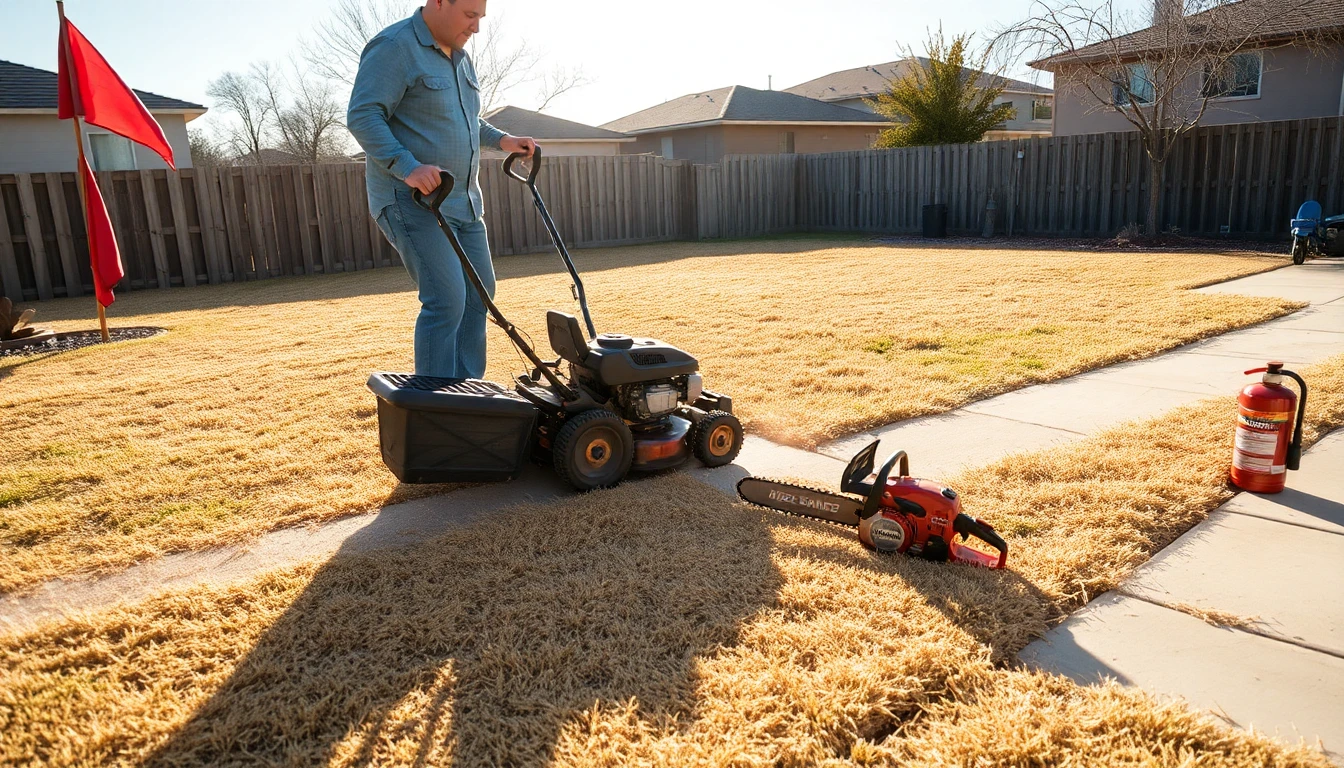
Your lawn mower becomes a liability the second a Red Flag Warning goes live. So does your chainsaw. Your weed trimmer. Your welder. Your angle grinder. Gas-powered equipment and tools that make sparks can start wildfires during Red Flag conditions. Regular yard work turns dangerous. Local fire departments know this. That's why they restrict or ban equipment use.
86% of wildfires in high-risk zones trace back to human activity. Equipment use and yard work during Red Flag Warnings cause many of these fires. Metal blades strike rocks. Sparks jump. Dry brush catches fire. Routine lawn care can end in evacuations and destruction.
Restricted Equipment and Peak Hour Bans
Red Flag periods bring strict rules. No yard work with open flames. No activities that make sparks like welding, grinding, or cutting. Los Angeles County bans powered yard equipment during high-risk hours. This hits Santa Clarita, Antelope Valleys, and Angeles National Forest hard. The danger window? 10:00 a.m. to 6:00 p.m. Heat peaks. Winds climb. Equipment bans take effect.
Multiple western states require "No heat-making or spark-making equipment use during Red Flag Warnings." Break the rules? Fines reach up to $1,000. Fire safety rules shut down all hot work, outdoor welding, and grinding on Red Flag days. Homeowners and construction crews both must comply.
Real Consequences and Enforcement
In San Diego, a homeowner paid a $500 fine in October 2022 for using a chainsaw on dry brush during a Red Flag Warning. The penalty was real. Real money for a risk that could have been avoided.
California landscape contractors must stop outdoor power equipment work during Red Flag Warnings. Industry rules don't allow exceptions. Fail to comply? You risk losing your license. Insurance companies won't cover violations. These aren't threats. They're real outcomes.
Mechanical Risk and Environmental Triggers
Red Flag conditions make mechanical dangers worse. Metal blades hitting rocks or concrete make sparks that can start brush fires. Even small yard jobs create this risk. Fires happen three times more often during Red Flag Warning periods.
Relative humidity drops below 20%? Winds stay above 15 mph? Equipment bans kick in. Local fire departments send out advisories each day. They list specific banned equipment and activities. You break the rules, you're legally liable for any damage.
Recommended Safety Actions
Wait to mow your lawn until the Red Flag Warning ends. Put off trimming. Skip brush clearing. Store equipment away from dry plants. Check local rules before you start any outdoor work.
Red Flag Warnings cut outdoor yard work and power tool use by 60-70% in affected counties. Smart homeowners do the same. They wait. They reschedule. They skip the risk.
You get emergency alerts from the National Weather Service, local fire districts, and OSHA for work sites. Your weekend yard project can wait. Wildfires won't.
Additional Activity Categories

Red Flag Warnings wipe out entire event calendars. Outdoor races? Canceled. Park festivals? Suspended. Group gatherings on public land? Shut down. Marin County Parks doesn't negotiate. All scheduled events on open space lands get pulled the moment a Red Flag Warning drops. Public recreation permits mean nothing. Private land use permissions vanish just as fast.
Commercial outdoor events face the same fate. Marathon organizers lose their permits. Festival vendors pack up before they arrive. Warning periods suspend both public and private activities across parks and open space lands. Your registration fee won't save you.
Outdoor Fitness and Military Training Restrictions
Heat index rules force military units to change or stop training during Red Flag conditions. U.S. Marines watch WBGTI (Wet Bulb Globe Temperature Index). Red Flag status (88.0–89.9°F WBGTI) cuts hard physical work to six hours per day for non-acclimated personnel. Troops who are acclimated can continue PT. But they must use caution. Black Flag status (≥90°F WBGTI) stops all non-essential physical activity.
Outdoor fitness classes, boot camps, and work crews adjust schedules fast. The 10:00 a.m. to 6:00 p.m. danger window forces rescheduling. Heat peaks. Fire risk climbs. Smart operators move sessions to morning or evening hours.
Picnic areas close ahead of time. Smoking outdoors gets banned across all public lands. Red Flag Warnings don't just restrict activities. They erase them until conditions get better.
Ready to Order Custom Flags?
Professional flag manufacturer with 20+ years experience. Feather flags, teardrop flags, and more.
Contact Us Today