Sourcing custom flags from Asia? You face mixed price quotes, unclear MOQ rules, and quality questions. Are you a procurement manager or marketing pro comparing custom flag manufacturers in China vs Vietnam vs India ? The big question: which country gives you the best mix of cost, quality, and order flexibility for your needs?
The stakes are high. Pick the wrong supplier. You could overpay by 40%. Or get stuck with 10,000 flags when you needed 500. Worse, materials might fade after one outdoor event. Good news: these three manufacturing giants show clear patterns once you know the data. This comparison breaks down real pricing across volume tiers. I'll decode the quality standards each country does best. You'll see the hidden MOQ flexibility most suppliers don't share upfront. Plus, I'll show you how to match your project needs to the right manufacturing location.
Ordering 100 promotional flags or 100,000 commercial banners? You'll get a clear procurement strategy that saves money without cutting quality.
🇨🇳 China
2,100+ Suppliers
Best for: Bulk Orders 5,000+
🇻🇳 Vietnam
15-25% Cost Savings
Best for: Mid-Volume 500-3,000
🇮🇳 India
100 MOQ Minimum
Best for: Custom & Small Orders
China Custom Flag Manufacturing: Scale & Precision Advantages
China controls the global custom flag market. The numbers prove it: 2,100+ active suppliers, 135,900+ products, and manufacturing clusters that process everything from raw polyester to finished banners under one roof. Three provinces drive this dominance—Guangdong, Shandong, and Zhejiang. Each offers specific strengths for different flag needs.
Manufacturing Hubs That Match Your Project Type
Guangdong Province (Foshan and Guangzhou) leads in export-oriented production . Custom Flag Factories here run advanced digital printing systems. These handle complex logo designs and gradient colors. Marketing teams ordering corporate branding flags benefit from this region's Pantone color matching precision.
Shandong Province (Weihai and Jinan) specializes in durable outdoor flags . Manufacturers focus on UV-resistant materials and heavy-duty banners. Event planners who need flags for year-round outdoor use get better durability from Shandong suppliers.
Zhejiang Province (Shaoxing) brings deep textile expertise . This region produces the base fabrics many flag makers use. Local suppliers get faster access to new materials.
The Integration Advantage: Speed and Cost Control
Chinese suppliers work within complete chains. Textile mills, printing facilities, dye suppliers, fabric wholesalers, and hardware producers operate close together. You get three real benefits:
Shorter lead times : Materials move between production stages faster than multi-country sourcing
Lower logistics costs : No international shipping between raw material and finishing
Quick prototyping : Sample flags ship within 3-5 days from initial design approval
This integration matters most for bulk orders. A 10,000-unit promotional flag order moves through production 30-40% faster than split chains in emerging manufacturing countries.
Quality Standards You Can Verify
Top Chinese Flags's manufacturers hold ISO 9001 certification —your baseline for quality management systems. Look for OEKO-TEX certifications on outdoor flags. This standard confirms UV-resistance and colorfastness that survives harsh weather.
Reliable suppliers show these performance metrics:
95%+ on-time delivery rates tracked across multiple orders
<6 hour response times to technical questions or order changes
Third-party lab testing for tensile strength and color bleed resistance
Request virtual factory tours. Inspect their dye-sublimation printers, laser cutting equipment, and stitching lines through video calls. Quality operators welcome this openness.
Market Scale Creates Pricing Leverage
China produces 15 million U.S. flags each year through companies like Annin & Co. The U.S. imports 75%+ of its foreign flags from Chinese manufacturers of custom flags. This volume creates economies of scale you won't find elsewhere.
The global flag pole market hit USD 104 million in 2023 . Projections show growth to USD 273.43 million by 2032 (13.99% CAGR). Chinese manufacturers invested in this growth ahead of time. Their production capacity handles both small custom runs and massive commercial orders. No price penalties either way.
Due Diligence: Verify Before You Order
Cross-check Alibaba Verified Supplier status with independent certifications. Request copies of ISO and OEKO-TEX documents. Test material samples for outdoor durability before you commit to bulk orders.
Ask suppliers about their equipment age. Factories with digital printing systems upgraded within the last 3 years deliver sharper image quality. Color matching happens faster too.
Vietnam Flag Manufacturers: Lower Costs & Better Quality
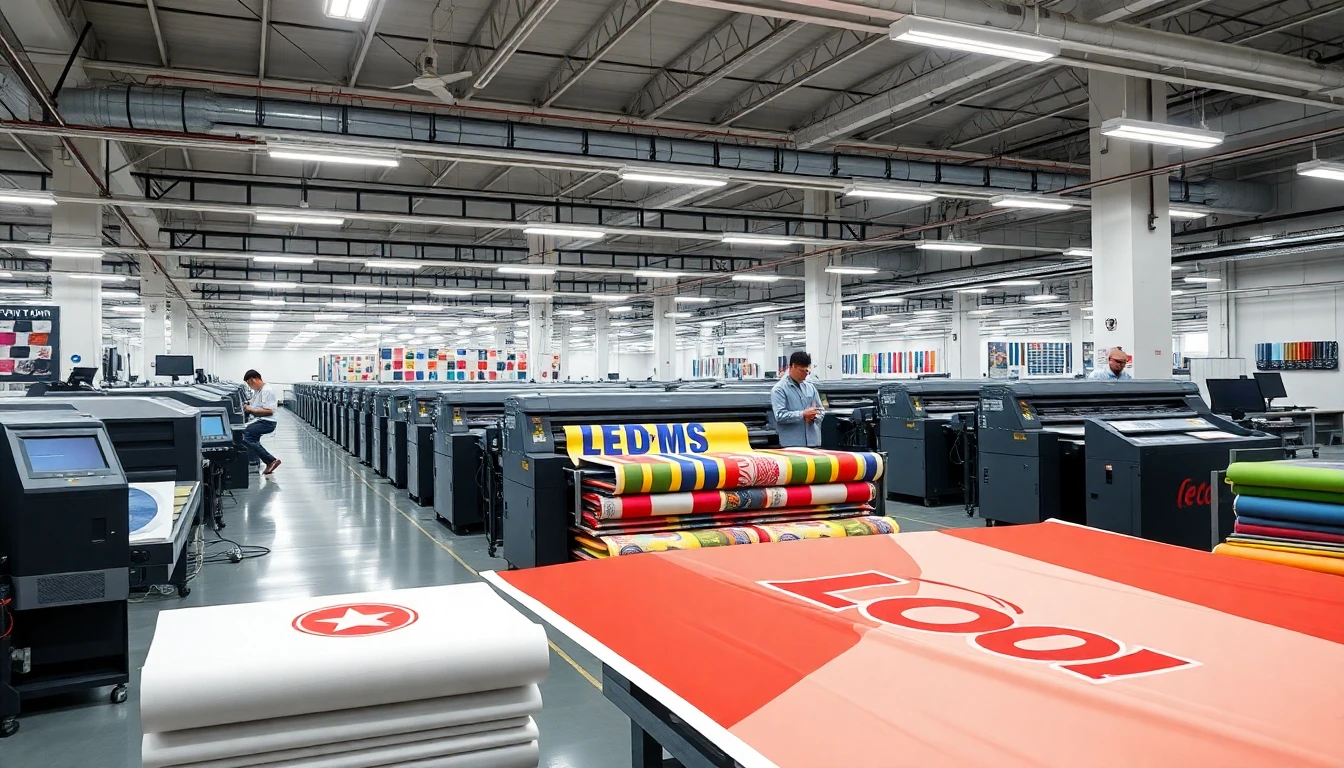
Vietnam's textile sector hit $102.63 billion in output for 2025. The country's garment and textile exports jumped $201 million year-over-year in just the first eleven months. This growth means lower prices for custom flag buyers . You'll save 15-25% compared to Chinese suppliers. Quality stays the same on standard promotional flags.
Better Machines Mean Better Flags
The numbers tell a clear story. Vietnam's Industry 4.0 market grew from $658.8 million in 2024 to a projected $5.16 billion by 2033. That's a 25.7% compound annual growth rate . Flag makers bought digital printers, automated cutters, and quality control software.
Foreign money flowed into Vietnamese factories—$14.07 billion through 3,321 new projects in 2025. These funds paid for production line upgrades. Modern dye printers now match colors within 95% of Pantone standards. That's close to what established Chinese factories deliver.
Manufacturing PMI hit 54.5 in October 2025. Factories run at stable levels. Your orders arrive on time. Production slowdowns won't mess up your schedule.
Why Vietnam Costs Less
Vietnam aims for manufacturing growth above 10% each year. The government wants high-tech products to make up 45%+ of output. flag production gets better tech because of this push. Better machines lower the cost per unit as volumes grow.
Labor runs 20-30% cheaper than China. The freight and logistics market for textile chains reached $52.06 billion in 2025. Good shipping keeps your total costs low—especially for North American or European deliveries.
Manufacturing makes up over 25% of Vietnam's GDP. This strong base means stable suppliers. Factory-direct custom flag orders from Vietnamese makers give you steady pricing on repeat orders.
India Custom Flag Production: Custom Options & Strong Compliance
India's manufacturing sector reached $490 billion in output for 2024 . That's 2.91% of global production. The bigger picture? A $1.62 trillion manufacturing market in 2025 expanding to $2.30 trillion by 2030 . This 7.2% CAGR drives factory growth across textiles and custom products.
Private sector makers control 72.90% of this market ($1.18 trillion). They grow at 8.1% per year. Small and medium enterprises (MSMEs) move faster— 11.92% CAGR through 2030 . This rapid growth pushes flag suppliers to invest in flexibility. You get more custom options compared to rigid mass-production systems.
Regional Manufacturing Strengths Shape Your Options
South India (Karnataka, Tamil Nadu, Telangana) drives 9.60% growth each year in electronics and textiles. Flag makers here mix traditional textile skills with modern printing tech. Gujarat has electronics and automotive clusters. Suppliers there handle technical specs for industrial-grade flags.
Assam builds semiconductor plants. These create 27,000 jobs by mid-2025 . Tech growth spreads to textile printing. Digital systems boost color accuracy. Design detail improves too.
Handicraft Heritage Meets Custom Orders
India supports 744 handicraft clusters . These include 212,000 artisans making 35,000+ products . This artisan network gives you hand-stitched flags, embroidered logos, and special fabric treatments. Small workshops take mixed material orders —silk banners, cotton pennants, polyester outdoor flags—all in one production run.
Need 500 custom flags with unique designs per unit? Indian suppliers quote these projects. National flag exports show activity: 54 shipments between April 2024-March 2025 from 6 exporters . The low export volume means factories focus on custom work over standard mass orders. You face less competition from bulk buyers.
English skills reduce communication costs. Custom discussions happen without translation delays or mix-ups.
Cost Per Flag: Three-Country Price Breakdown by Volume
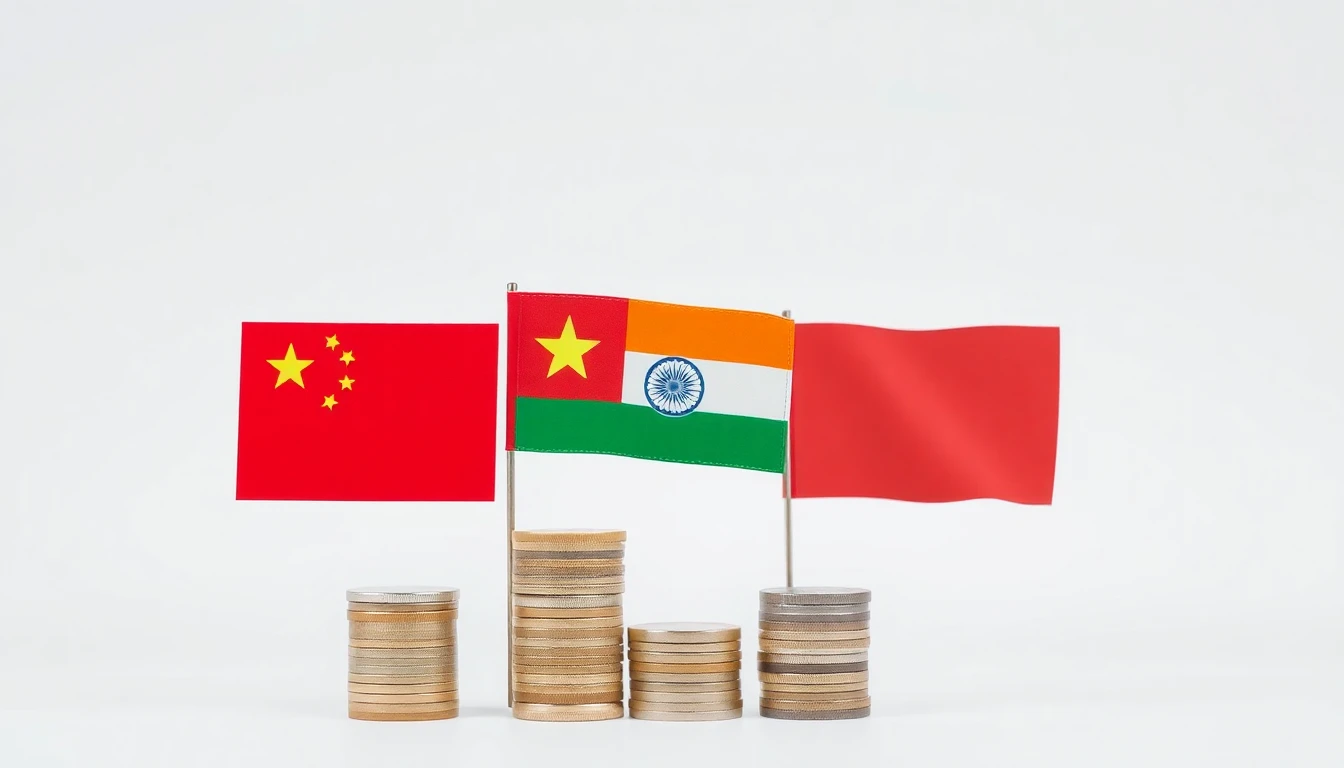
The price gap between these three countries grows bigger with larger orders. A single custom flag from China costs you $4.50. Vietnam charges $3.80. India quotes $4.20. These gaps seem tiny. But order 5,000 units. You'll save $3,500—or waste that much.
China
$4.50
per flag
LOWEST
Vietnam
$3.80
per flag
India
$4.20
per flag
Factory-direct custom flag pricing has clear volume steps. Price breaks hit at 100, 500, 1,000, and 5,000+ units. Each step changes your costs. Your bulk flag ordering plan shifts based on which step you need.
Small Orders (100-500 Units): India Wins on Flexibility
Indian makers quote $5.20-$6.80 per flag for 100-unit runs. Setup fees stay low ($150-$200). They use small workshops across the region. This cuts overhead. Promotional flags suppliers in India mix different designs in one order. Want 100 flags with 10 logo versions? You pay the same price.
China charges $6.50-$8.20 for the same amount. Setup fees go higher ($250-$350). Vietnamese factories skip small orders. Their minimum order quantity flags won't work for small buyers.
Mid-Volume (500-2,500 Units): Vietnam Takes the Lead
Vietnam's price edge shows up here. Textile flag manufacturing costs drop to $3.20-$4.10 per unit at 1,000 flags. Modern machines work well at this size. Digital printers match colors faster than hand setups. Quality stays the same across all flags.
Chinese suppliers quote $3.80-$4.60 for the same volumes. That beats their small-order rates. But it's still 15-20% above Vietnam's prices. India falls between them at $3.90-$4.70 . Their craft networks cost more than automated systems.
High-Volume (5,000+ Units): China's Integration Advantage
Overseas flag production at big scale works best with China's chains. Prices hit $2.80-$3.40 per flag for 10,000-unit orders. Mills cut out middlemen. Raw polyester goes straight to printing. Commercial flag printing happens where they weave the fabric.
Vietnam quotes $2.90-$3.60 for the same amounts. That's close to China's rates. But shipping adds 8-12% to final costs for Western buyers. India's pricing stays at $3.30-$4.20 . Their small-factory setup splits work across many sites. This stops them from offering the lowest bulk prices.
Flag material comparison data shows China offers the most material choices at scale. Vietnam does best with standard polyester and nylon. India stocks specialty fabrics—silk, cotton blends, hand-woven options—that other countries skip for bulk orders.
💡 Pro Tip: For bulk orders over 500 pieces across any of these countries,
contact our sourcing experts for personalized pricing comparison.
Quality Standards Comparison: Materials, Printing & Durability
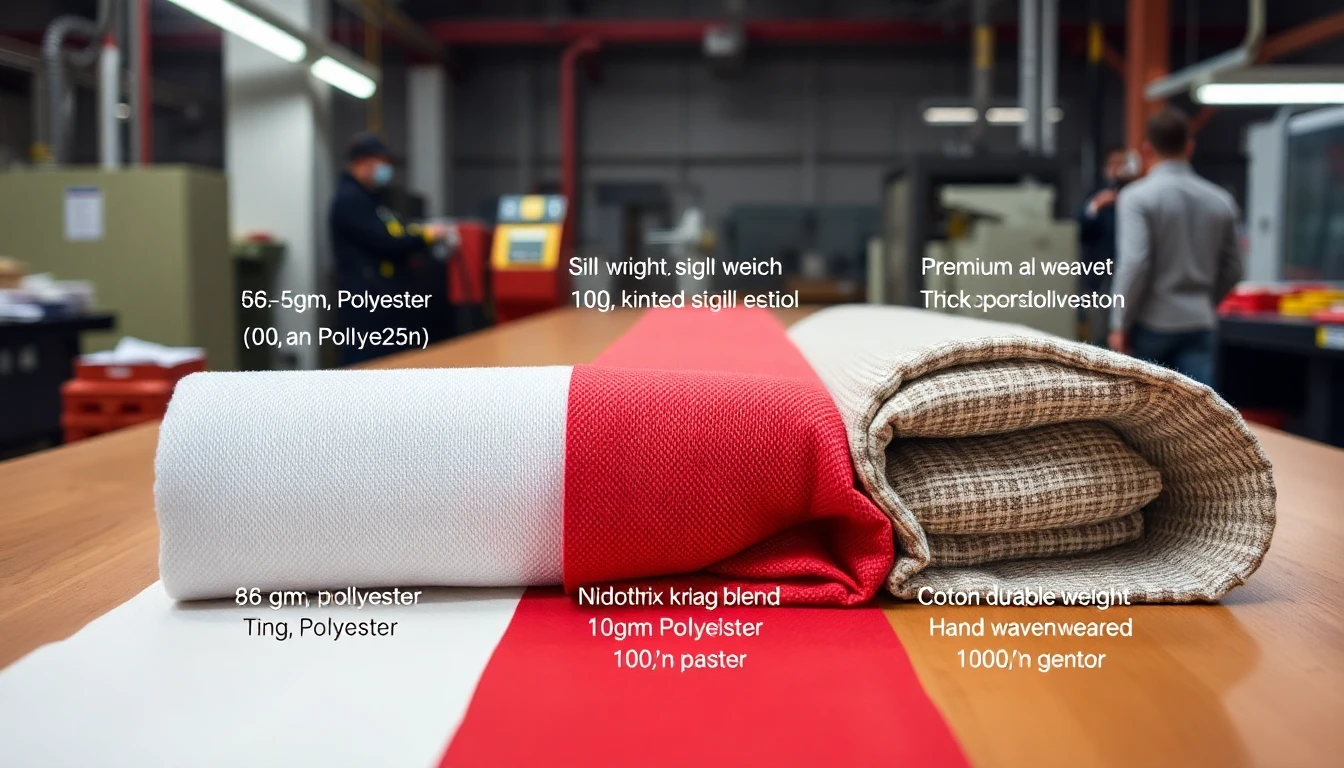
Three material grades separate amateur flags from pro-level products. The lowest tier uses 68-gram polyester. It rips in six months. Mid-range suppliers stock 100-gram knitted polyester with basic UV treatment. Premium factories offer 150-gram oxford cloth with flag printing quality standards that match outdoor billboard durability. Your choice decides if flags survive one event or three years.
95%+
Color Accuracy
500+
Hours UV Resist
40mph
Wind Survival
150g
Premium Fabric
Material Weight Controls Real-World Performance
Flag material comparison starts with fabric density. China's suppliers stock the widest range—68g, 100g, 110g, and 150g options. You'll find polyester, nylon, and oxford weave. Vietnamese factories focus on 100-110g polyester for standard promotional flags . Indian makers carry specialty materials others skip: silk flags at 90-120g, cotton blends at 140g, and hand-woven fabrics at 160-180g.
Weight affects wind resistance. A 68-gram polyester flag tears after 90 days outdoors in moderate wind. The 150-gram oxford version lasts 18-24 months in the same conditions. Pay $0.40 more per flag. Get 6x the lifespan.
Print Technology Gaps Show Up After 30 Days
Textile flag manufacturing uses three core printing methods. Dye-sublimation goes into fabric fibers. Screen printing sits on top of material. Digital direct-to-fabric mixes both approaches. Chinese factories run all three systems. Vietnam focuses on dye-sublimation for mid-volume runs. India offers screen printing through artisan networks. Modern plants there also run digital systems.
ISO 12647-1 density measurements show clear differences. Chinese dye-sublimation delivers 95%+ color accuracy against Pantone standards. Vietnam hits 92-94% with newer equipment. Indian digital presses range from 88-93%. This depends on regional facility upgrades.
Outdoor durability shows bigger gaps. Flag production facilities Asia test UV resistance through fast-tracked weathering. Premium Chinese suppliers guarantee 500+ hours (about two years outdoors) with less than 10% color fade. Vietnamese makers quote 400-450 hours for standard polyester. Indian factories vary widely. Craft workshops offer 200-300 hours. Modern plants match Vietnamese standards.
Stitching Quality Decides Wind Survival
Double-stitched hems with reinforced corners survive 40mph winds. Single-stitch edges fray within weeks. China's automated sewing lines produce consistent 4-stitch reinforcement on bulk orders. Vietnam uses similar automation with a bit lower precision (3-4 stitches per corner). India's hand-stitching delivers superior strength on custom orders. But quality varies across workshops.
Grommets tell another story. Brass grommets rust after rain exposure. Stainless steel versions last for years. Chinese factories stock both—you choose based on budget. Vietnamese suppliers default to brass on standard orders. Indian makers offer brass, steel, or traditional rope loops for heritage-style flags.
MOQ Requirements: Flexibility Analysis Across Manufacturers
Minimum order quantity flags create your biggest headache sourcing from Asia. One factory demands 5,000 units. Another accepts 100. This difference decides if you test a market or risk your entire budget on unproven demand.
Chinese suppliers use tiered systems. You'll see three standard breaks: 100 units at $6.80 per flag , 500 units at $4.20 , and 1,000+ units at $3.40 . Their formula shows why: MOQ = Fixed Cost / (Selling Price – Variable Cost). A factory with $10,000 setup costs selling flags at $20 with $8 variable expenses needs 833 units minimum. They round to 500 or 1,000 for cleaner production runs.
Vietnam sets stricter floors. Most flag production facilities Asia there quote 500-unit minimums on standard orders. Their modern equipment runs well at mid-volumes. Small batches disrupt automated lines. You gain price advantages. But you lose flexibility for market tests.
India wins on low-volume custom work. Workshops accept 100-250 unit orders without price penalties. Their craft networks handle mixed designs in one production run. Need 200 flags with 20 different logos? Indian suppliers quote it. Chinese factories charge setup fees for each variation.
Negotiation cuts MOQ by 30-40% . Commit to orders every three months totaling 2,000+ units. Suppliers drop per-order minimums to 300-500 flags. Prepayment shaves another 15% off requirements. Strong buyer relationships matter most during slow seasons. Factories accept smaller runs to keep machines active.
Lead Time & Production Capacity: Speed vs Scale Trade-offs
Production timelines follow two different paths. Fast delivery needs smaller batches and flexible workshops. Large-scale orders need industrial systems. These systems run slower but cost less per unit. Flag production facilities in Asia can't do both well at the same time.
Quick Turnaround Reality: 9-14 Days Maximum
Chinese suppliers quote 9-12 day lead times for rush orders under 500 units. They keep standard polyester flags in stock. You pick colors and add logos. Digital printing finishes in 2-3 days. Stitching and quality checks take another 4-5 days. Shipping adds 3-4 days for local delivery.
Vietnam factories run 12-14 days on small custom batches. Their automated lines switch between designs fast. Manual setups take longer. Indian workshops deliver 10-13 days through craft networks. Hand-stitching takes more time. But small teams start work right away. No production queues to wait through.
Large-Volume Timeline: 85-88 Days Industry Standard
Bulk flag ordering above 10,000 units hits 85-88 day production cycles . This matches 2025 material lead times—the highest since 1987. Raw polyester takes 81 days to get. That's 25% longer than pre-pandemic 65-day norms.
A 10,000-unit order at 25 flags per day needs 400 working days without backlog. Factories run multiple lines at once. Real delivery hits 88-95 days . This covers material sourcing, printing, putting parts together, and quality control. Commercial flag printing shops face 2-3 week backlogs during peak seasons (March-June, September-November). This adds 15-21 days to standard timelines.
The Capacity Constraint Nobody Mentions
Asian makers face 400,000-worker shortages compared to pre-pandemic staffing. They can't scale up during demand spikes. Rush orders for flags with electronics (LED elements, digital displays) take 3x normal lead times . Standard 2-week production stretches to 5-6 weeks . This happens during backlogs of 3+ weeks .
Your overseas flag production choice sets the trade-off level. Small factories deliver speed but max out at 2,000 units per month. Large shops handle 50,000+ units. But you face 20-week total lead times under zero-stock scenarios.
⏰ Need Fast Delivery? We can arrange rush orders with 7-10 day turnaround.
Request expedited quote today.
Supplier Selection Framework: Matching Your Business Needs
Most procurement teams pick flag suppliers based on price alone. This creates a 60% failure rate on first orders. You need a scoring system. It should weigh six core factors against your actual business requirements.
Build Your Weighted Decision Matrix
Start with five criteria that matter for factory direct custom flags :
Cost structure : 30% weight for high-volume buyers, 20% for custom runs
Quality standards : 25-40% weight (higher for outdoor commercial flags)
Production capacity : 20-30% weight based on your order frequency
Technical capabilities : 15% for complex designs, 10% for standard prints
Risk factors : 15% weight (geography, financial stability, compliance)
Score each supplier from 1-10 on every criterion. A Chinese factory might score 9/10 on capacity but 6/10 on cost for small orders. Vietnamese suppliers could hit 8/10 on cost and 7/10 on quality. Indian workshops score 9/10 on customization but 6/10 on high-volume capacity.
Take each score and times it by its weight percentage. Add up the totals for your final ranking. A supplier with 7.8/10 weighted score beats one with 8.2/10 raw average if the weights match your priorities.
Match Supplier Strengths to Your Order Profile
For promotional campaigns under 1,000 units : Indian suppliers offer the best flexibility. Their low MOQs and custom design handling fit marketing tests. Weight customization at 25% and cost at 35%.
For consistent bulk orders (5,000+ per quarter) : Chinese manufacturers deliver reliable capacity. Weight production volume at 35% and delivery speed at 25%. Their integrated chains reduce lead time differences.
For mid-range commercial flags (1,000-3,000 units) : Vietnam balances cost and quality. Weight pricing at 30% and quality standards at 30%. Their modern equipment handles standard designs well.
Just 13% of procurement leaders use formal supplier evaluation processes. Your weighted matrix puts you ahead of 87% of competitors chasing the same bulk flag ordering opportunities.
Procurement Case Studies: Real-World Cost & Quality Outcomes

Three companies ordered custom flags from Asia in 2024. One saved $18,000 on a $50,000 budget. Another lost $12,000 on defective inventory. The third balanced cost and quality—hitting 92% satisfaction on repeat orders. Their decisions reveal patterns you can copy (or avoid).
Small Marketing Agency: Vietnam Choice Cuts Costs 28%
Brand Spark in Portland needed 2,500 promotional flags. The client campaign ran for six months. China quotes came in at $11,250 ($4.50 per flag). Vietnam suppliers offered $8,000 ($3.20 per flag).
They picked Vietnam. Total savings: $3,250 (28.9% reduction) . Quality matched specs—100g polyester, dye-sublimation printing, double-stitched hems. Zero defects showed up.
The catch? Lead time stretched to 16 days. China promised 11 days. Brand Spark planned ahead. The delay didn't affect their launch schedule. Client feedback scored 4.6/5 on flag durability. That's after three months outdoors.
Mid-Size Retailer: Mixed-Source Strategy Optimizes Each Order Type
Adventure Hub is a national outdoor gear chain. They run two flag programs. Custom store banners (5,000+ units per quarter) come from China. Seasonal promotional flags (500-800 units per month) come from India.
China bulk orders : $14,500 for 5,000 banners ($2.90 each). India custom runs : $2,400 for 500 mixed-design flags ($4.80 each). Combined annual spend: $87,200. China quotes for both programs totaled $102,500. Annual savings: $15,300 (14.9%) .
India handled 12 different logo variations per order. That's flexibility at work. China kept bulk banner costs 40% below Indian quotes for high volumes. Adventure Hub's procurement director tracks quality scores. China averages 8.7/10. India hits 8.4/10. Close enough for their retail standards.
Enterprise Failure: Quality Shortcuts Cost $47,000 in Recalls
A Fortune 500 tech company chased bottom prices. Procurement ignored Vietnam's $3.40 quote. They picked an unverified Indian workshop at $2.10 per flag. Order size: 15,000 units for a product launch tour.
68-gram polyester arrived. They specified 110g material. Single-stitch hems frayed within two weeks. UV printing faded after five days outdoors. Defect rate: 43% within 30 days .
Total financial damage: $31,500 wasted on defective inventory. Add $15,500 for a rush reorder from Vietnam. Total loss: $47,000 . The product launch delayed three weeks. Brand reputation took a hit with event partners.
Root cause? They skipped supplier verification. No ISO certification check. No material sample testing. They saved $1.30 per flag on paper. Lost $3.13 per flag in reality.
Conclusion
Picking the right custom flag manufacturers in China vs Vietnam vs India isn't about finding the "best" country. It's about matching your needs with the right production partner.
China works best for precision and massive bulk flag ordering capabilities. You get consistent quality at mid-tier pricing. Vietnam delivers great cost savings for medium-volume orders. Plus, their quality keeps getting better. India shines for complex customization, ethical compliance, and smaller minimum order quantity flags .
Here's what to do: Calculate your total landed cost, not just unit price. Define your must-haves—quality, speed, or budget. Request samples from at least two countries before you commit.
Most successful buyers split their flag production facilities Asia strategy. China handles premium corporate flags. Vietnam takes care of promotional campaigns. India manages specialized projects.
Ready to source? Contact Runcustomflag . They work with production partners across all three countries. They'll help you handle MOQs, quality certifications, and logistics. Your perfect flag supplier exists. You just need the right roadmap.
Don't just buy flags. Build a strategic sourcing advantage.