Ever wonder why your neighbor's flag looks perfect while yours is shredded after just a few months? You picked the wrong fabric for the weather in your area. Most people assume all flag materials are the same, but they aren't. And the difference isn't just about price. It's about one critical detail that makes or breaks a flag's life.

Nylon for Outdoor Flag
Stand in front of your home or business and watch your flag flutter in a gentle breeze. That flag is probably nylon. There's a good reason for that.
200 denier nylon has become the top choice for outdoor flags in homes and businesses. "Denier" measures the thickness of individual threads in the fabric. Think of it as the fabric's DNA. Higher numbers don't always mean better quality. 200 denier hits a sweet spot that flag makers have perfected over decades.
This weight creates a tight woven surface. It's strong for regular use. Yet it's light enough to catch even a slight breeze. That's the magic of nylon: it doesn't need strong gusts to unfurl. Your flag displays its colors in conditions where heavier materials would hang limp against the pole.
Why Nylon Excels in Specific Conditions
Let's talk about where nylon shines—and where it doesn't.
Wind performance is where nylon proves its worth in low to moderate wind areas. The lightweight build allows for that graceful, flowing display we associate with quality flags. But here's the honest truth: sustained high winds or extreme weather? Nylon's durability takes a back seat to heavy-duty polyester.
The moisture management of nylon deserves attention. This waterproof flag fabric repels water naturally. Your flag dries fast after rain. Why does this matter? A wet flag adds weight. This stresses your flagpole and hardware. Plus, quick drying cuts down mildew formation. So nylon works great for humid climates or coastal areas.
UV and fade resistance presents a mixed picture. Nylon delivers that shiny, vibrant look that makes colors pop. Quality makers use UV-resistant treatments like SolarGuard® to slow fading. But long exposure to intense, constant sunlight will cause fading faster than polyester. This is the trade-off for that brilliant shine and lightweight performance.
One overlooked benefit: nylon flag material often includes flame retardant properties. This adds an extra safety layer for outdoor displays near buildings or landscaping.
Expected Lifespan and Maintenance Reality
Here's the number that matters: fly it sunrise to sunset under normal conditions, and you get about 90 days of functional life from a nylon flag. This number shifts based on your local weather. Coastal winds, desert sun, or mountain storms all accelerate wear in different ways.
Get more from your investment. Rotate flags often. Repair edge frays right away. Clean with gentle detergent now and then to prevent dirt buildup that breaks down fabric.
The Cost-Effectiveness Factor
Nylon is the most cost-effective choice among commercial grade flag materials. It costs less than polyester. And it delivers excellent value for homeowners and businesses outside extreme wind zones.
Best use cases include:
- Regular display at homes and commercial businesses
- Areas with frequent rain (quick-drying properties help here)
- Light to moderate wind zones
- Situations where you want bright looks and easy movement in calm weather
Polyester (Including 2-Ply/Spun/Knit Types) for Outdoor Flag
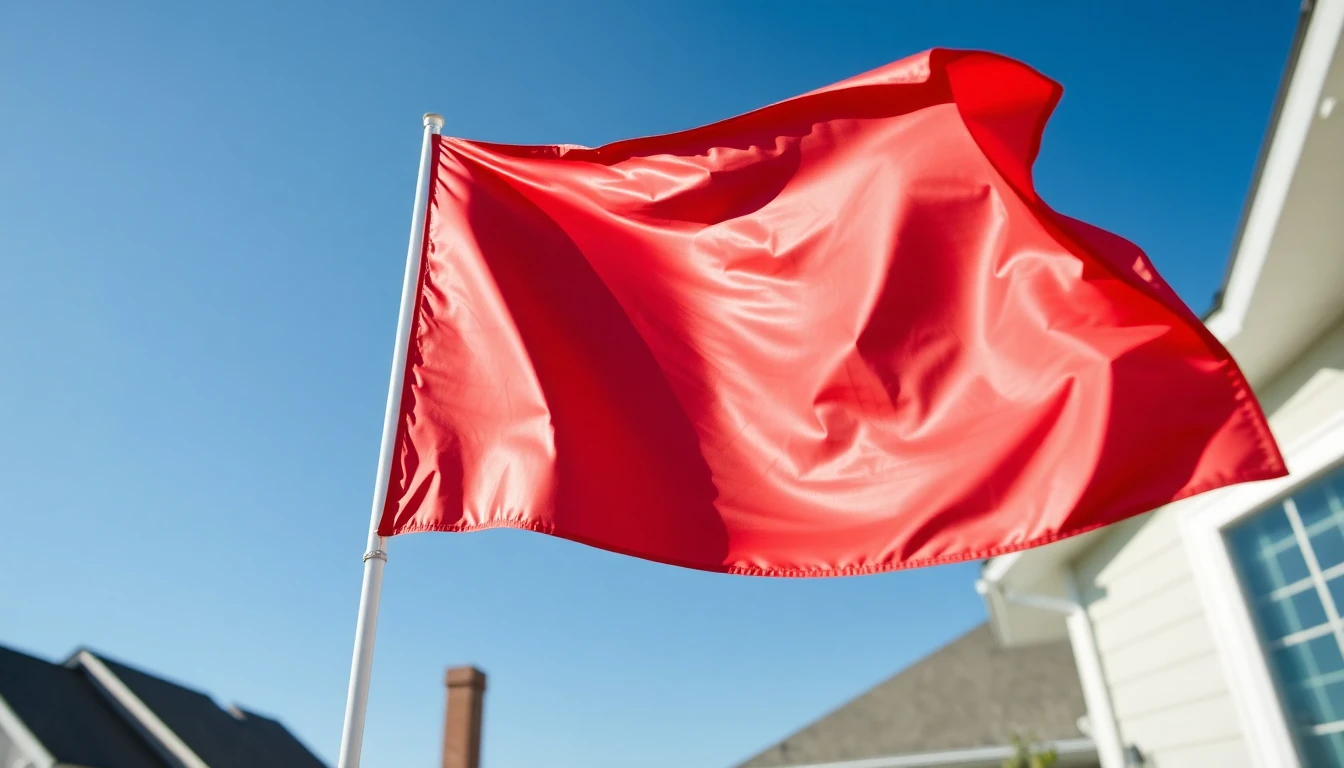
Your flag whips hard in a storm. Rain pelts down. The sun beats down the next day. Most materials give up. Polyester doesn't.
Heavy duty flag fabric made from polyester rules commercial use and tough spots. The build is different. Manufacturing creates an open weave structure. This changes how your flag takes a beating.
Here's why this matters: wind hits a closed-weave fabric and catches like a sail. The fabric fights back. Stress builds at seams and edges. Something tears. But polyester's open weave? Wind passes through. The fabric bends instead of fighting. This design feature makes flags last longer where wind blows hard.
Understanding Polyester Variations
Polyester flags aren't all the same. Three types work for different needs:
2-ply polyester layers two fabric sheets together. This gives you great strength for outdoor use. Think government buildings, corporate headquarters, or any spot where a failed flag isn't an option. The double-layer build handles high winds and heavy rain. You won't see the quick wear you'd get with single-ply options.
Spun polyester, often branded as Tough-Tex®, sits at the top of all-weather flags design. This heavy build works for industrial zones, military bases, and places that need maximum toughness. The fabric is much denser. Your flag costs more upfront. But it outlasts standard options by months—sometimes years—in harsh spots.
Denier ratings tell the strength story in numbers. 600D polyester uses thicker threads than 300D. The difference shows right away in high-wind tests. A 600D flag fights the whip-cracking effect that tears lighter materials. For exposed hilltop spots or coastal areas facing ocean winds, this spec matters more than price.
Performance Under Extreme Conditions
UV resistant flag material performance sets polyester apart from others in one key way: color retention. Put two flags side by side—one polyester, one nylon. After six months of direct sun, the difference shows. Polyester's natural UV resistance keeps colors bright. The fabric structure blocks more radiation damage.
Premium polyester options include special treatments that boost this edge. Some makers offer ColorFast Guarantees—real one-year warranties against fading. This isn't marketing talk. It's backed by data from flags flying 24/7 in harsh sun.
The moisture story differs from nylon. Polyester isn't waterproof without coatings. But it wicks water well. After rainfall, a polyester flag dries fast. Higher thread counts boost this trait. Dense weaves create better barriers against water getting in. Your flag maintains proper flight even during wet weather.
When Polyester Becomes Essential
Commercial grade flag material specs usually call for polyester. There's a good reason. Any flag displayed round the clock needs this toughness. The 24/7 display creates unique stress. Temperature swings between day and night. Constant UV exposure. Moisture cycling. Wind that keeps blowing.
Polyester takes this beating. Under normal conditions with continuous sunrise-to-sunset flying, expect about 90 days of lifespan. But quality versions push far past this mark in severe climates. The strong build makes up for tough conditions.
The Real Cost Analysis
Yes, waterproof flag fabric options in polyester cost more upfront than nylon. The dense weaves need more material. Making it adds expense. But calculate replacement frequency.
In high-wind zones or intense-sun areas, polyester's longer lifespan means fewer replacements. You're not buying new flags every few months. The math works in polyester's favor. Factor in labor costs for replacement, disposal of worn flags, and lost brand visibility during transitions.
Best use cases for polyester include:
- Permanent 24/7 outdoor display spots
- Coastal areas with constant salt air and wind
- Desert areas with extreme UV exposure
- Commercial properties where flag condition shows brand image
- High-elevation sites facing wild weather
- Government or institutional settings needing fade resistant flag material
Choose polyester where flag failure means more than just replacement costs.
Cotton for Outdoor Flag
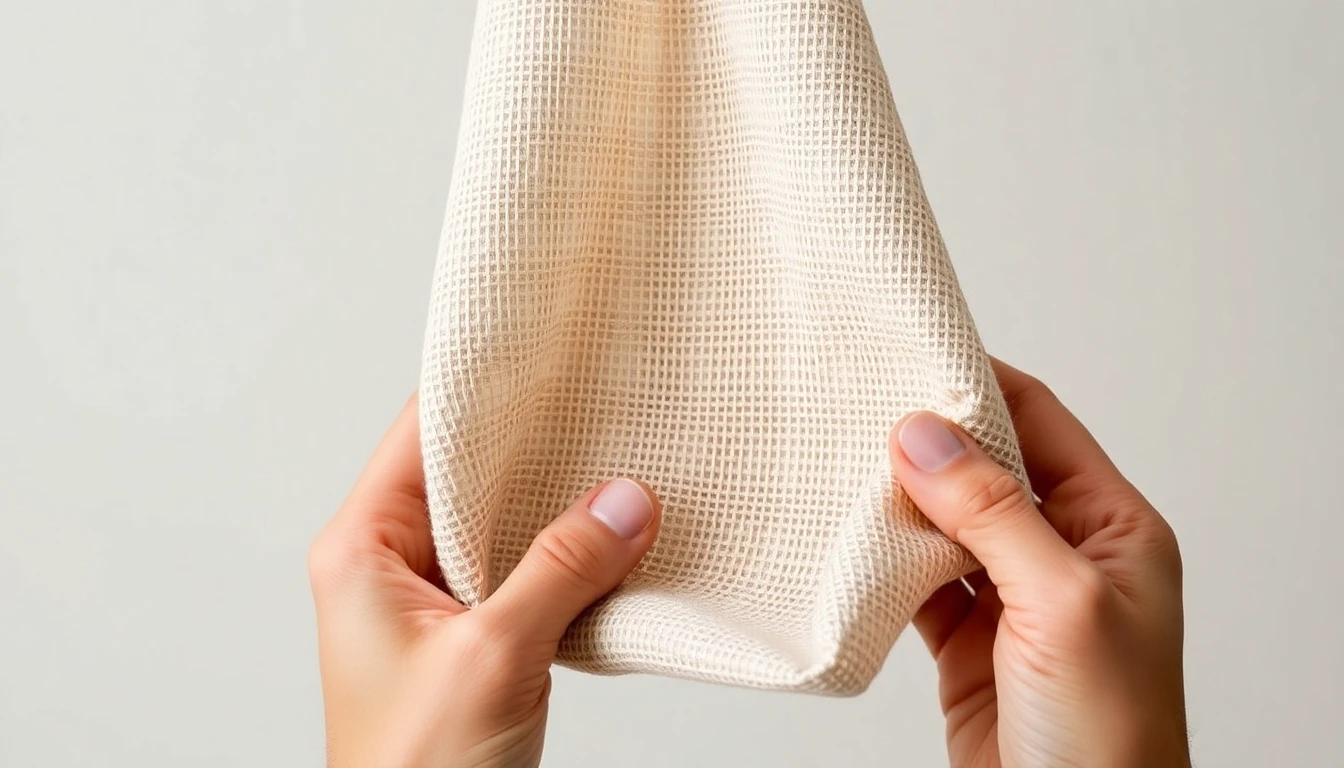
Pull a cotton flag from its packaging. Run your fingers across the surface. The texture feels different—authentic, traditional, almost nostalgic. That classic weave tells a story. But it's not the story you want for regular outdoor display.
Cotton belongs to ceremonies. Historical reenactments. Indoor displays. Maybe a special patriotic gathering on a perfect weather day. That's it. Commit to continuous outdoor exposure? Cotton becomes your worst choice among flag fabric types.
The Harsh Reality of Natural Fibers Outdoors
Rain hits cotton. The fibers drink water like a sponge. Your flag gets heavy. It droops against the pole. That weight stresses the fabric structure. Wet cotton doesn't bounce back like synthetics. Each rain cycle weakens the weave a little more.
The real damage starts once moisture stays trapped. Cotton resists mildew poorly. Not even close. Leave a damp cotton flag out overnight—just once—and you risk dark spots forming. Those spots spread. The fabric rots from the inside. Nylon or polyester never breaks down this way.
UV resistance? Cotton has almost none. Sunlight attacks natural fibers. Your vibrant reds fade to pink within weeks. Blues turn gray. The fabric itself becomes brittle. Wind stress that polyester shrugs off will tear cotton at the seams.
The Numbers Don't Lie
Expect 30 to 60 days of functional life from cotton in outdoor use. That's in humid climates with normal rain patterns. Desert sun cuts this shorter. Coastal salt air speeds up the breakdown even more.
Compare this to the 90-day baseline for nylon and polyester. Cotton fails three times faster. Plus, it demands constant attention. You bring it inside before storms. You shelter it at sunset to avoid dew. You hand wash in lukewarm water. You air dry away from sun.
Why Cotton Costs More Than It's Worth
Cotton flags carry zero warranties. No colorfast guarantees. Manufacturers won't stand behind outdoor performance. They can't. The material lacks what's needed for outdoor flag durability.
You'll find cotton sized like standard outdoor flags—3' x 5' dimensions match up. But you won't find UV protection coatings. No reinforced stitching for wind resistance. No waterproof treatments. The manufacturing specs skip every enhancement that makes modern all-weather flags work.
Best use cases for cotton are quite limited:
- Single-day ceremonial events with fair weather
- Historical displays that need period-accurate materials
- Indoor mounting where environmental factors don't matter
- Collectors who want authentic vintage looks
For actual outdoor display needs—residential or commercial—cotton doesn't qualify as a good flag material comparison option.
Key Decision Factors
Choosing outdoor flag material isn't about picking what looks nice in photos. You need to match fabric performance to your specific situation. Get this wrong and you waste money on flags that fail fast. Get it right and your investment pays off for months—sometimes years.
Your Environment Drives Material Choice
Wind exposure drives this decision more than any other factor. Measure the wind where your flag flies. Coastal properties facing ocean breezes? You need open-weave polyester. The structure lets wind pass through instead of catching like a sail. This stops the whip-cracking action that tears lighter materials at the grommets.
Light to medium wind areas flip this logic. Here, nylon wins. The lightweight build catches gentle breezes. Your flag displays the way it should instead of hanging limp. A heavy polyester flag in calm conditions looks like a wet towel on the pole.
Sunlight intensity controls fade speed. Desert sun and tropical exposure demand UV-resistant treatments. Look for ColorFast guarantees—real warranties, not marketing claims. These protect your color investment. Standard materials without UV protection lose brightness in weeks under intense sun.
Rain patterns matter for humid and coastal regions. Heavy rainfall zones need strong water-wicking abilities. Fast-drying materials stop mildew buildup that rots fabric from inside. Standard synthetic flags handle normal rain. But constant moisture needs premium waterproof specs.
Technical Specs That Matter
Denier count tells the strength story in numbers you can trust. Think of it as fabric thickness insurance:
300D handles standard home display in normal conditions
600D doubles the strength for business and industrial settings—twice the weight, twice the toughness against severe weather
Don't confuse higher numbers with better quality. Match denier to your wind conditions. Overpaying for 600D in a calm suburban yard wastes money.
Ply construction becomes essential in extreme exposure. Two-ply polyester layers two fabric sheets together. This creates maximum tear resistance for high-wind zones. Government buildings and exposed hilltop locations need this spec. Home properties don't need it most of the time.
Display Duration Changes Everything
Flying your flag 24/7 demands different material than sunrise-to-sunset display. Round-the-clock exposure means constant UV hits, temperature changes, and moisture stress. Heavy-grade polyester survives these conditions for a year or more.
Part-time display—holidays, weekends, special events—allows lighter materials. Standard flags last about 90 days under these conditions. You're not fighting constant weather damage.
Here's the benchmark: harsh-condition industrial flags outlast lightweight options by 4X. That ratio guides smart buying decisions.
Budget Reality Check
Higher denier counts and premium treatments cost more upfront. You can't avoid that. But calculate total ownership cost, not purchase price.
Replace a cheap flag four times per year? Or buy one heavy-duty version that lasts twelve months? The math favors strength in most business and high-exposure home settings. Factor in replacement labor, disposal, and lost display time during transitions.
Buyers on a budget in calm climates can choose lighter materials. Just understand the tradeoff: shorter lifespan for lower initial cost.
Maintenance Multiplies Material Life
No material survives neglect. Even premium heavy-duty flags need care:
Rotation between two flags cuts constant exposure in half. Each flag rests while the other flies. This simple practice can double how long your flags last.
Regular cleaning stops dirt buildup that breaks down fibers. Mild detergent works. Harsh chemical cleaners damage protective coatings.
Quick repair stops small edge frays from becoming full tears. Catch problems early. A $5 repair prevents $50 replacement.
Storm protocols save flags during severe weather. Lower flags before hurricanes or extreme wind events. This stops major damage that ruins even heavy-duty materials.
Match these factors to your specific situation. Wind conditions, sun exposure, display schedule, and maintenance commitment all work together. The "best" material comes from this analysis—not from generic advice.
Comparison Summary/Table
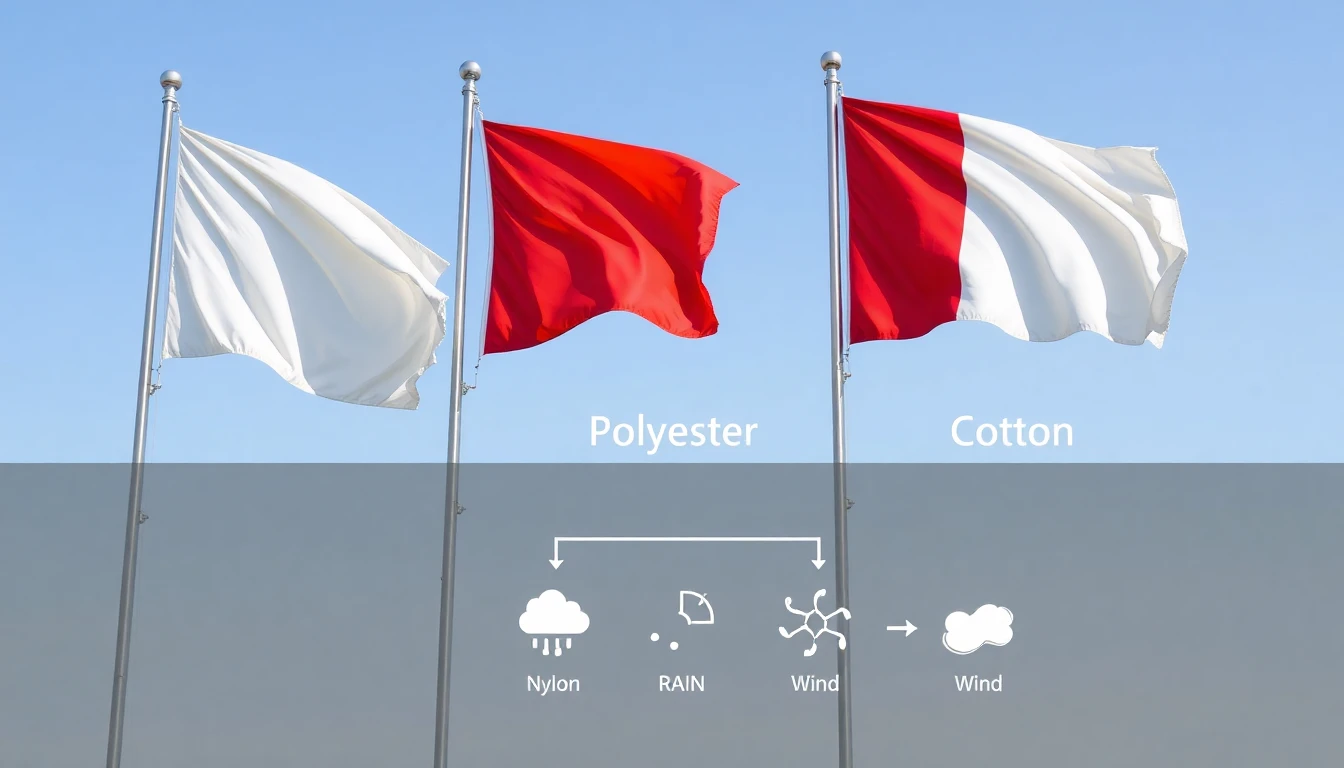
You've read about each material. Now let's cut through the details and give you the decision framework that matters.
The truth is simple: no single material wins every scenario. Your best choice depends on where your flag flies and what abuse it takes each day. Here's how the three main flag fabric types stack up in real-world performance.
Durability tells the first story. Standard nylon and polyester both deliver about 90 days of continuous outdoor display under normal conditions. Material upgrades change this baseline fast. Heavy-duty 2-ply or 600D polyester pushes past this mark. In extreme wind zones, it sometimes doubles lifespan. The dense weave fights fraying at stress points. Lighter materials tear there. Cotton? It fails in 30-60 days outdoors. Natural fibers can't compete.
Fade resistance separates winners from pretenders in sunny climates. Industry testing proves polyester holds color 2-3 times longer than nylon under direct UV exposure. That's not marketing spin. Put both materials side by side in desert sun. After six months, you'll see the difference. Nylon fades 20-30% faster in the same sunlight. This gap matters for commercial grade flag material where brand colors need to stay true.
Wind performance flips the script. High-denier polyester (600D and above) rules high-wind and industrial zones. The open weave lets wind pass through instead of catching like a sail. Drop that same heavy flag in calm suburban conditions? It hangs limp. Lightweight nylon catches gentle breezes that heavier materials ignore. Your flag flows and stays visible in light to moderate wind areas.
Here's your flag material comparison at a glance:
Feature | 2-Ply / 600D Polyester | Nylon | Cotton |
|---|---|---|---|
Primary Strength | Extreme durability & wind resistance | Fly-ability & bright visual appearance | Traditional aesthetic |
Best Climate | Harsh wind, intense sun, industrial | Mild to moderate wind, mixed weather | Dry, indoor, or short-term outdoor |
Wind Resistance | Excellent (Heavy duty) | Good (Lightweight) | Poor (Frays fast) |
Fade Resistance | Best (~2-3x longer than Nylon) | Moderate (Fades faster in direct UV) | Poor (Fades fast) |
Water Resistance | Superior wicking; dries fast | Good; dries fast | Poor; absorbs moisture & mildews |
Cost | Highest | Moderate | Lowest |
Typical Brand Examples | Tough-Tex®, Polywavez® | Nyl-Glo®, Durawavez® | Standard Heavyweight Cotton |
Quick Decision Guide
Match your environment to material strengths with this framework:
High-wind zones or industrial areas? Choose 2-ply or 600D polyester. It lasts longest against fraying. This justifies the higher upfront cost. The open weave reduces wind stress on hardware and mounting points.
Mild to moderate wind with visual priority? Choose nylon. The shiny finish and easy movement in light breezes create that classic flag display. It dries fast. This helps in rainy climates.
High UV exposure or desert climates? Choose heavyweight polyester. Superior UV resistance stops early fading. Early fading kills visual impact. This matters most for fade resistant flag material needs.
Ceremonial events or short-term display? Choose cotton for this use alone. The traditional texture and rich appearance work for special occasions. But know the tradeoff: moisture causes over 40% strength loss fast.
Your specific situation determines which material delivers the best value. Consider wind patterns, sun intensity, display schedule, and budget. Use this comparison to match outdoor flag durability specs to your real-world conditions.
Recommendations by Use Case

You know your environment. You know your budget. Match these facts to the right material. Choose based on what you need—not what sounds good on paper.
Severe Weather and High-Wind Locations
Face constant coastal winds? Open plains with zero wind breaks? Your flag takes a beating every day.
Choose 2-ply heavyweight spun polyester—look for 600D ratings or brands like Tough-Tex® and Poly-Max. This isn't about preference. It's about survival. The open weave lets wind pass through instead of fighting it. Your fabric stays intact. Your flagpole doesn't bend under stress.
This material works best for:
- Industrial zones where equipment and weather create tough conditions
- Flagpoles over 20 feet tall where wind speed increases
- Exposed locations like hilltops and shorelines with no natural protection
Smaller lightweight flags fail here in weeks. Heavy polyester lasts months. The math makes sense.
Continuous 24/7 Display
Flying your flag round the clock? You're fighting constant UV damage and pollution. The standard 90-day baseline shrinks fast under this stress.
Heavy-duty two-ply polyester becomes essential. Color retention matters as much as strength. Treated polyester resists the bleaching that ruins nylon under long sun exposure.
Government buildings get this right. Corporate headquarters understand it. The flag stays up. Weather happens. The material holds.
Residential and Low-Wind Areas
Trees block wind in your neighborhood? Buildings create wind shadows? Heavy flags hang like wet towels on the pole. That's not the display you want.
SolarGuard® treated nylon solves this. Brands like Nyl-Glo®, Durawavez®, or Perma-Nyl® give residential settings what they need: movement. These flags lift and flutter in light breezes that heavier materials ignore.
Visual appeal drives this choice. Homeowners want bright, vivid colors that catch attention from the street. Nylon delivers that pop. Yes, it sacrifices some storm strength. But residential poles rarely face industrial-level abuse.
Seasonal and Event-Based Display
Holiday flags? Special event displays? Short-term use changes the math.
300 denier polyester or standard nylon works here. The 300D option costs less than heavy-duty 600D versions. The smoother finish looks good. Mild conditions won't destroy it fast.
Rotate these flags for seasonal use. Use them during specific months. Store them between uses. This strategy extends usable life versus year-round installation.
Ceremonial and Traditional Settings
Indoor presentations? Funeral services? Brief outdoor ceremonies on clear days?
Cotton fits these narrow scenarios. The texture and rich appearance create the look you need. But understand the limitations. Rain destroys cotton. Humidity breeds mold and mildew. This material doesn't belong on outdoor flagpoles.
Reserve cotton for controlled environments where weather isn't a factor.
Size Matching for Safety
Material choice pairs with size selection. Get this wrong and you risk pole damage or flag destruction.
Home poles handle the standard 3' x 5' size across all materials. Large commercial poles scale up to 30' x 60'. At these sizes, wet weight becomes a safety concern. Check your flagpole rating against the wet weight of large 2-ply polyester flags before installation.
Match flag fabric types to your specific use case. Don't guess. Don't default to what others use. Study your wind patterns, display schedule, and environment. Choose the material that gives maximum performance for your situation.